What to Eat on GLP-1: A Simple Food Guide
By:Author:Peptide Diet Editorial
Updated on:October 18, 2026
- A Sample Day of Eating That Works With Reduced Appetite
- How Much and How Often to Eat on GLP-1
- Why Simple Swaps Beat Forcing Three Big Meals
- Making GLP-1 Friendly Eating Fit a Normal Week
- Adjusting GLP-1 Eating for Different Situations
- When Eating Patterns on GLP-1 Start to Feel Normal
- Supporting GLP-1 Nutrition With Peptide Diet
- Settling Into a GLP-1 Eating Pattern You Can Keep
What to eat on GLP-1 comes down to small, protein-forward meals that sit well on a smaller appetite - think lean protein, fibre-rich carbs, and enough fluids, spaced so you never go too long feeling stuck or too full to continue.
Appetite and digestion both slow down, so large or heavy meals can feel uncomfortable, while smaller and simpler plates tend to go down easier and still cover what the body needs.
This guide covers what a normal day of eating looks like, how much and how often to eat, why smaller meals beat forcing three big ones, and how to make the whole thing fit an actual week.
A Sample Day of Eating That Works With Reduced Appetite
A day built around smaller, steady meals tends to feel more manageable than three large sittings.
A Simple Day of Meals
- Breakfast - a small bowl of eggs or yoghurt with fruit, eaten slowly
- Mid-morning - a few sips of water and a handful of nuts if hunger shows up
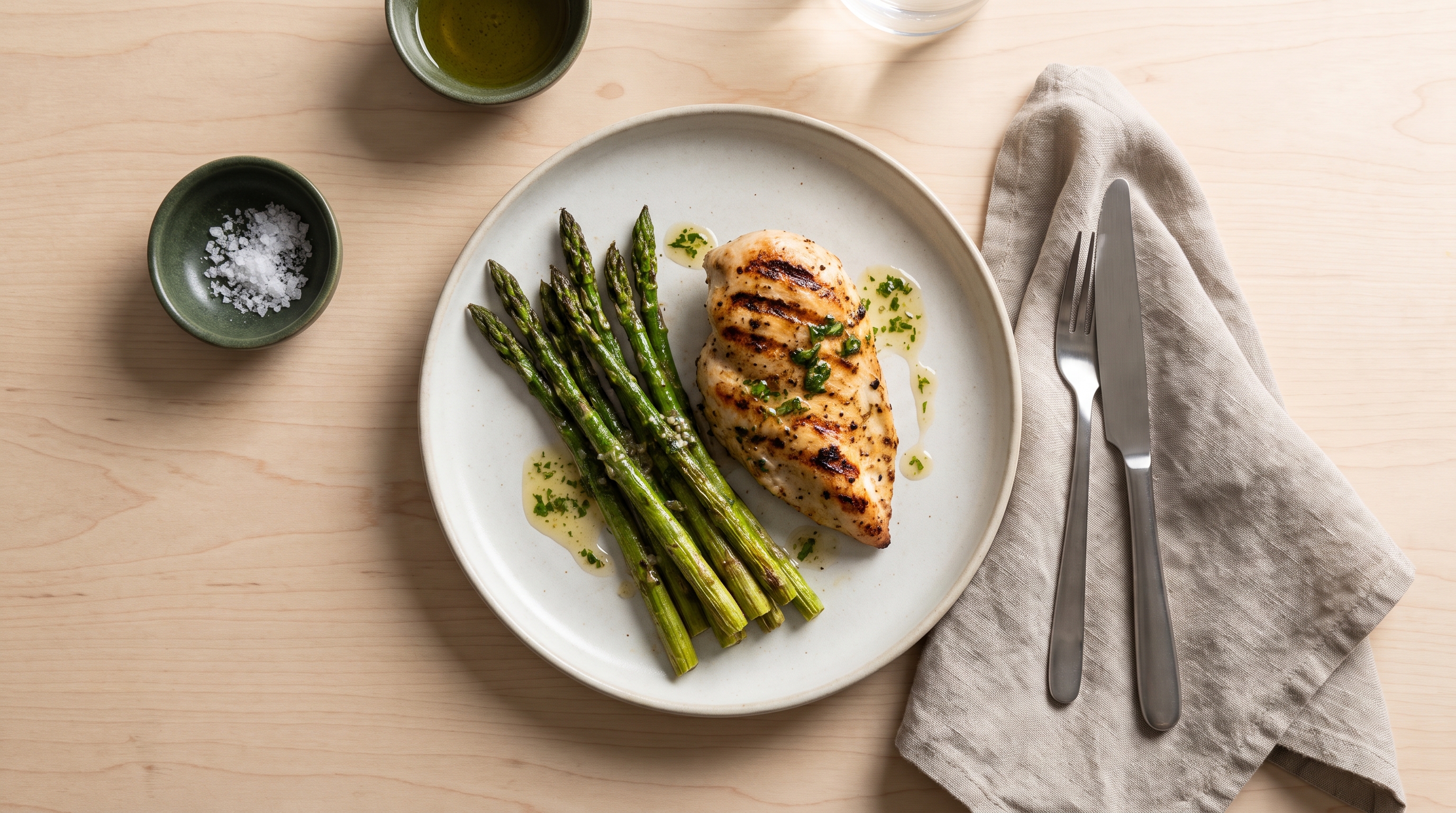
- Lunch - a palm-sized portion of protein with soft-cooked vegetables
- Afternoon - a small protein snack, like cottage cheese or a boiled egg
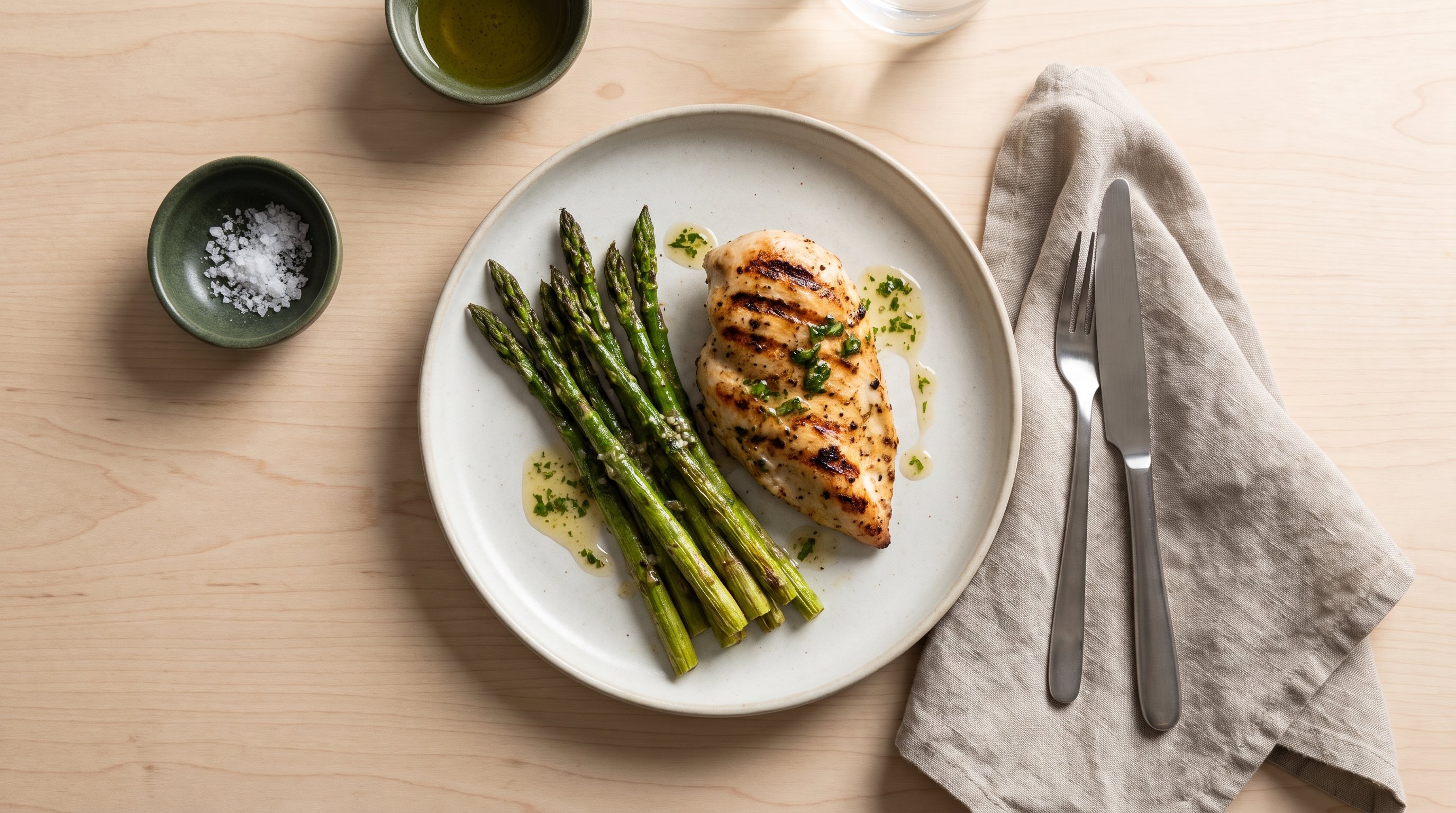
- Dinner - a light plate of fish or chicken with rice or potato, kept small
Nothing here is a strict rule - it is a shape you can repeat and adjust as your appetite settles into its new pattern.
How Much and How Often to Eat on GLP-1
Smaller, More Frequent Plates
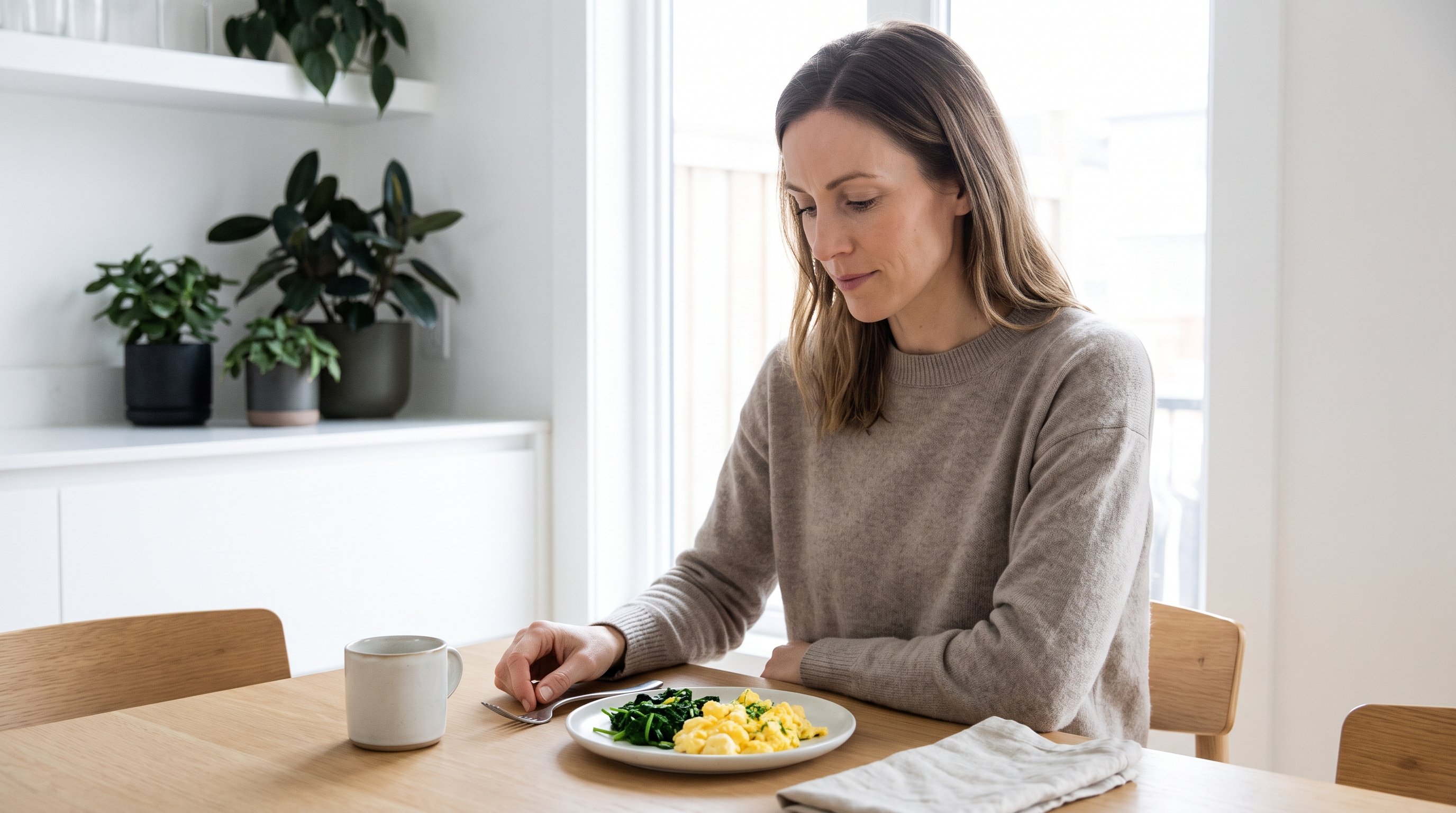
Because appetite and digestion slow down, eating smaller amounts more often usually sits better than three large meals a day.
| Meal | Portion | Focus |
|---|---|---|
| Breakfast | Small bowl | Protein plus fruit |
| Lunch | Palm-sized protein | Protein plus vegetables |
| Snack | Small handful | Protein or nuts |
| Dinner | Light plate | Protein plus carb |
| Fluids | Sips throughout | Water between meals |
If a plate feels like too much, stop - there is no reward for finishing food your body has already told you it does not need.
Why Simple Swaps Beat Forcing Three Big Meals
The harder route is sticking to the old pattern of three full plates a day and pushing through discomfort to finish them.
The easier route is letting meals get smaller and more frequent, built around protein and fibre, so eating stays comfortable instead of becoming something to brace for.
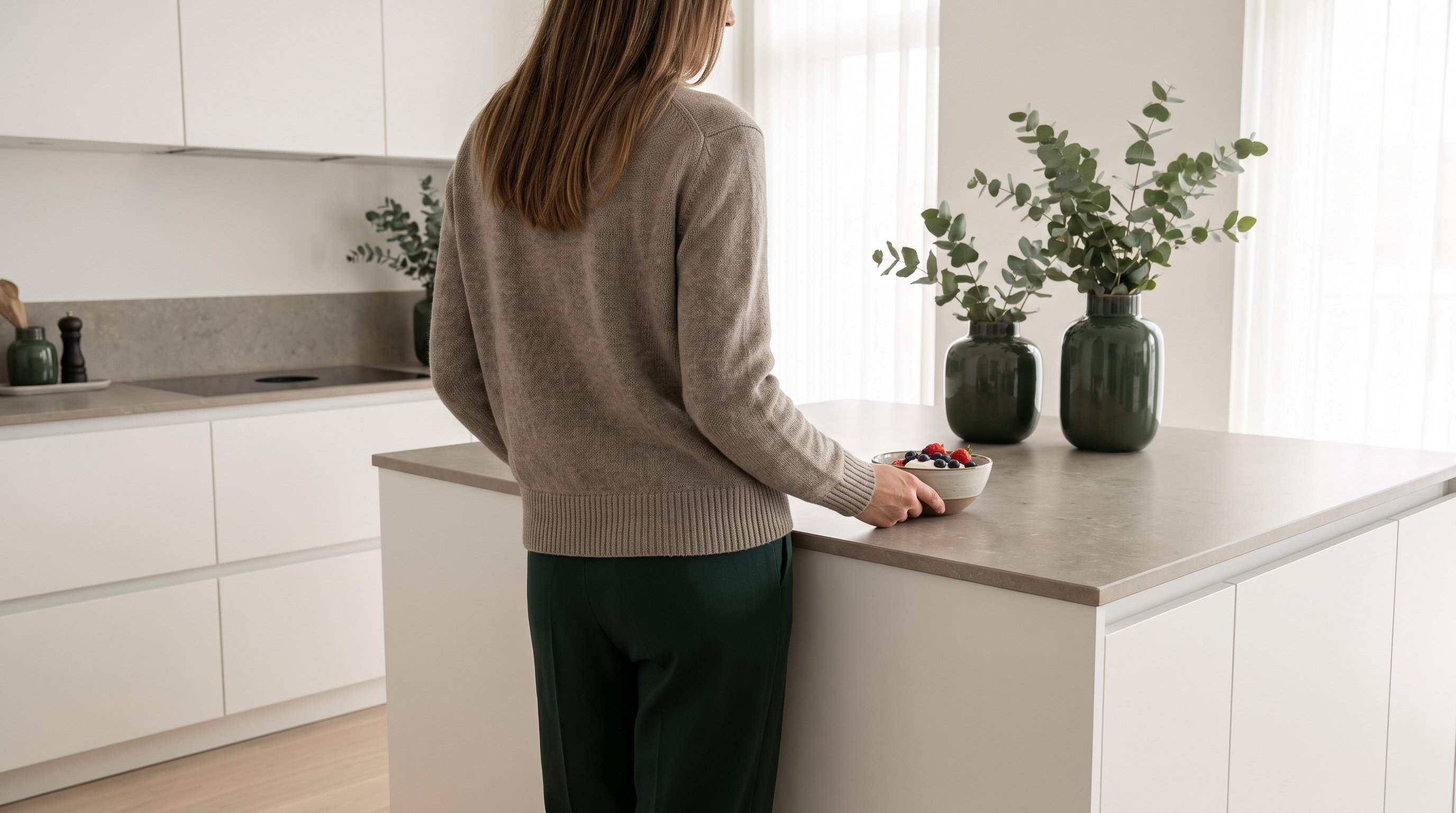
Comfortable eating is eating you repeat - forcing food past genuine fullness tends to backfire within days, not weeks.
Choosing the easier pattern is not giving up on nutrition - it is matching the meal to the appetite you actually have right now.
Making GLP-1 Friendly Eating Fit a Normal Week
A normal week includes work, family, and the odd meal out, so the eating pattern needs to flex without falling apart.
Keeping a short list of go-to proteins and simple sides on hand makes it easier to put together a small meal fast, even on a busy evening.
A meal plan built around food you already like, with recipes sized for a smaller appetite, takes the guesswork out of what to put on the plate - which is exactly where Peptide Diet's recipe library and tracking tools fit in.
Adjusting GLP-1 Eating for Different Situations
Just Starting Out
Early on, appetite changes can feel unfamiliar, so sticking to small, plain meals while you learn your new signals is a reasonable place to begin.
Busy Schedules
On packed days, a pre-made protein snack or a simple two-ingredient plate saves you from skipping food altogether when hunger finally shows up.
Older Adults
Protein at each small meal matters more when appetite is already reduced, so prioritising it over empty-calorie extras keeps meals doing useful work.
Social Eating
At a restaurant or gathering, ordering a smaller portion or sharing a plate keeps the meal in line with what actually feels comfortable.
When Eating Patterns on GLP-1 Start to Feel Normal
The first couple of weeks are usually the strangest, as old habits around plate size and meal timing bump up against a genuinely different appetite.
Many people find a workable rhythm somewhere in the weeks that follow, though the exact timing varies from person to person and is not worth comparing against anyone else's.
The point where people tend to drop off is when they try to force the old three-big-meals pattern back into place - staying flexible with portion size is what keeps eating sustainable.
Supporting GLP-1 Nutrition With Peptide Diet
Figuring out what to eat on GLP-1 every single day gets tiring fast, especially when appetite is unpredictable and old recipes suddenly feel like too much food.
Peptide Diet gives you over 1000 recipes built for a smaller appetite, plus progress trackers for water, weight and steps, so you are not guessing what a sensible portion looks like.
The nutrition guides inside the app cover peptide-friendly eating in more depth, written by nutrition experts, personal trainers and psychologists, so the information behind the meal plan is grounded rather than generic.
Maximize Your Peptide Results
Eat Right, Lose Weight Faster
Settling Into a GLP-1 Eating Pattern You Can Keep
The food side of GLP-1 does not need to be complicated - small, protein-led meals, fewer forced plates, and room to adjust as appetite shifts.
A good next step is picking two or three simple meals you can repeat this week, then building from there rather than trying to plan every meal at once.
Peptide Diet is there if you want the planning done for you, with recipes and tracking tools that match this kind of eating.
FAQ
Protein-rich foods like eggs, fish, chicken and dairy tend to sit well and help meals feel satisfying despite smaller portions. Fibre-rich vegetables and fruit in moderate amounts round out the plate without overloading digestion.
No single food is off limits - the main shift is portion size and pacing rather than strict elimination. Many people simply eat smaller amounts of familiar foods and find that works better than a restrictive list.
A reduced appetite can make food feel less interesting some days, so keeping a few simple, easy-to-manage options on hand helps you still get something in. Starting with something small, like a protein shake or a few bites of yoghurt, is a reasonable fallback.
Eating slowly and pausing partway through a plate gives your body time to signal fullness before you have gone past it. Peptide Diet's portioned recipes and tracking tools can make it easier to notice patterns and adjust before meals start feeling too big again.
Share this post