Protein Rich Meals: The Honest Guide
By:Author:Peptide Diet Editorial
Updated on:October 18, 2026
- The Myth That One Big Protein Meal Fixes Your Day
- What Makes a Plate Count As Protein Rich
- What Changes How Well Protein Meals Work
- A Day of Protein Rich Meals Worth Copying
- Making Protein Rich Meals Work on a Real Week
- When Protein Rich Eating Starts to Feel Normal
- Mistakes That Quietly Undercut Protein Rich Meals
- Building Protein Rich Meals With Peptide Diet
- Keeping Protein Rich Eating Part of Normal Life
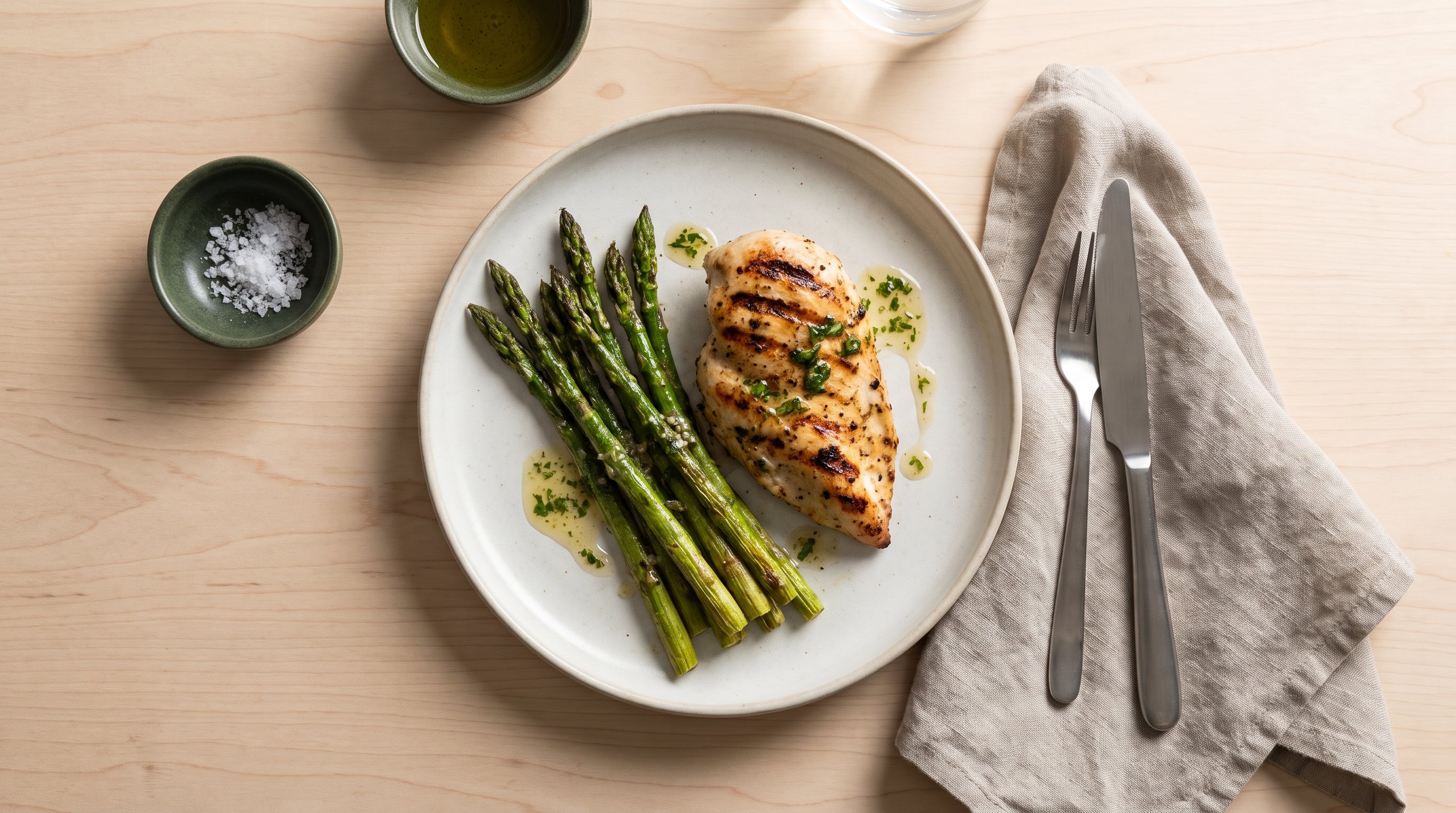
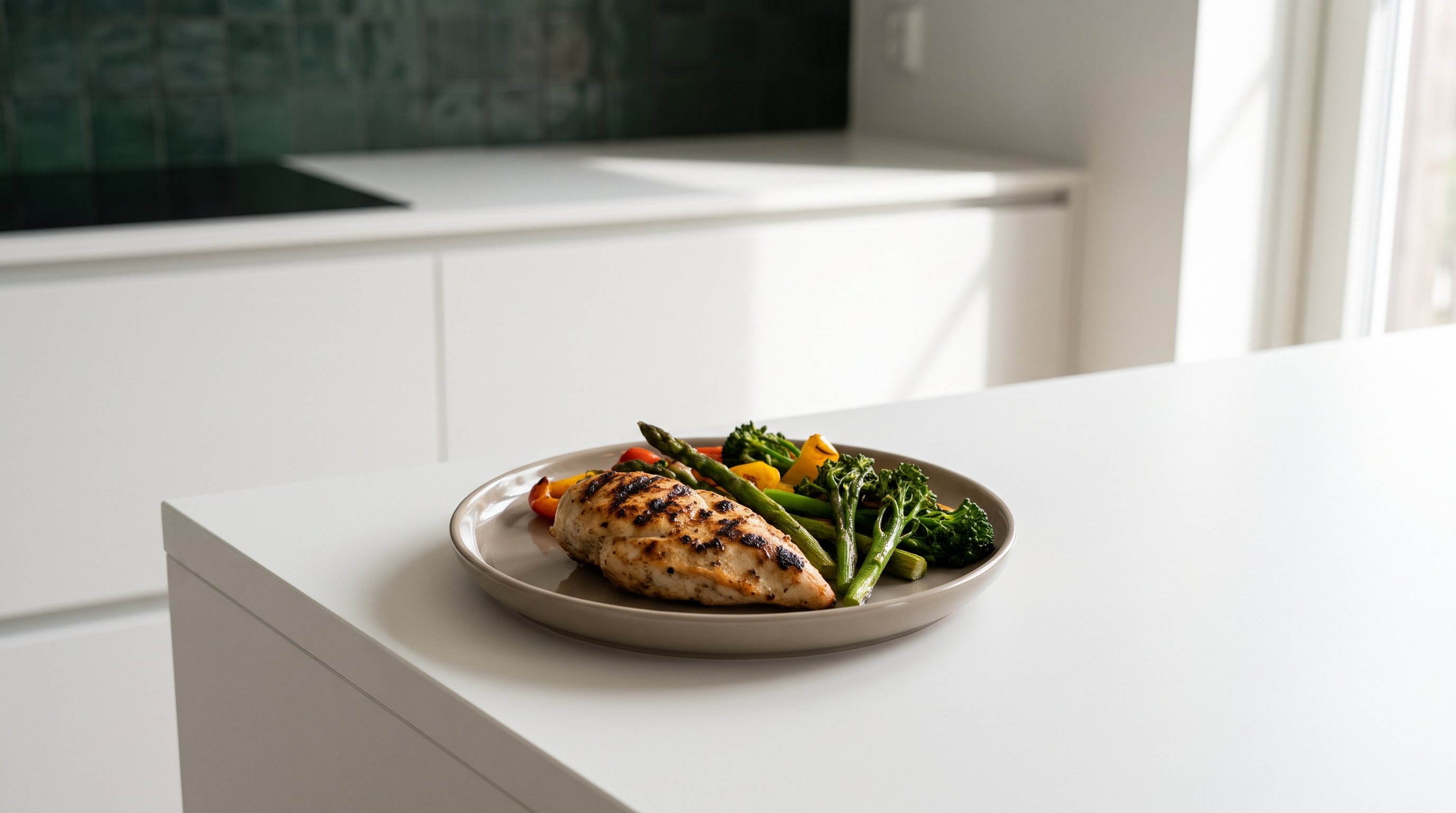
A protein rich meal is one where protein makes up a meaningful share of the plate, not just a side thought - think a palm-sized portion of chicken, fish, eggs, tofu or beans sitting at the centre of the meal rather than the edge.
Protein takes longer to digest than refined carbs, which is part of why these meals tend to keep hunger quieter for longer, and it gives your body the raw material it needs when you are eating less overall.
This guide covers what actually makes a meal count as protein rich, how the mechanism works, what a full day of eating can look like, and the mistakes that quietly undo good intentions.
The Myth That One Big Protein Meal Fixes Your Day
A lot of people think one enormous protein dinner can make up for a day of skipped meals and snacking, as if the body banks it all at once.
It doesn't quite work that way - your body uses protein steadily through the day, and spreading it across meals is more useful than loading it all into one sitting.
The honest answer is less exciting than a miracle meal: consistent protein across breakfast, lunch and dinner beats one heroic plate at 7pm.
What Makes a Plate Count As Protein Rich
Two things decide whether a meal earns the label - how much protein is on the plate, and how it's balanced against everything else.
The Protein Share of the Plate
A protein rich meal puts protein at the centre, roughly a quarter to a third of the plate, rather than treating it as a garnish next to a mountain of carbs.
The Satiety Mechanism Behind It
Protein slows digestion and keeps you feeling fuller for longer than the same calories from sugar or refined starch, which makes it easier to hold a calorie deficit without feeling like you're white-knuckling it.
What Changes How Well Protein Meals Work
Not every protein rich meal pulls its weight equally - three factors decide whether it actually helps you.
What Moves the Needle Most
- Spacing across the day - three or four meals with protein in each keeps you fuller than one big dose, since the body can only use so much at a time.
- Source variety - rotating chicken, fish, eggs, beans, tofu and dairy keeps meals interesting enough that you don't fall back on the same tired chicken breast every night.
- What sits alongside it - pairing protein with vegetables and whole grains rather than deep-fried sides keeps the whole meal working for you instead of cancelling itself out.
A Day of Protein Rich Meals Worth Copying
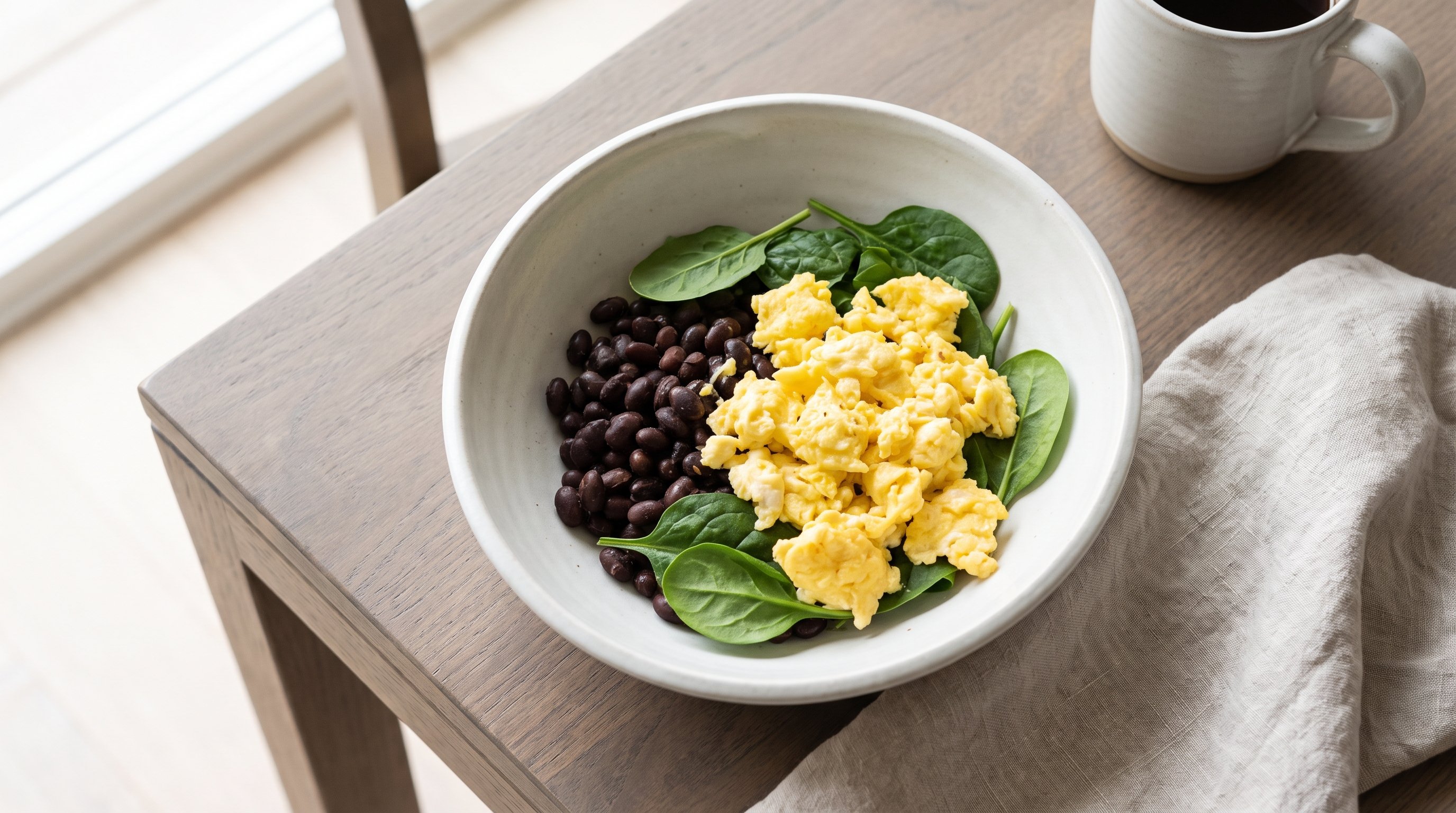
Here's what a full day can look like when protein is built into every meal instead of bolted on as an afterthought.
A Sample Day
- Breakfast - scrambled eggs with spinach and a side of beans.
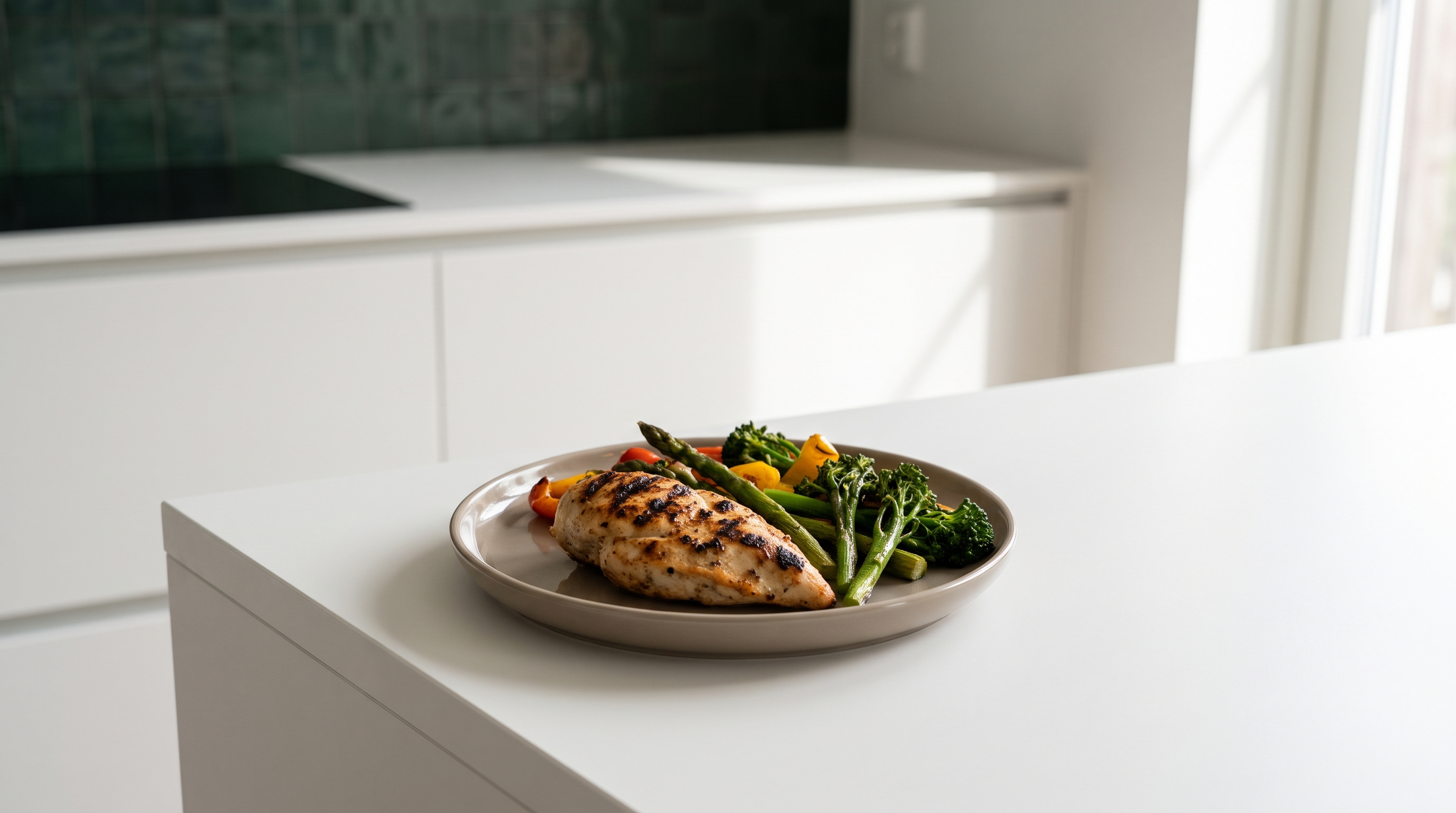
- Lunch - grilled chicken or tofu over a grain bowl with mixed vegetables.
- Snack - Greek yoghurt with a handful of nuts.
- Dinner - baked fish or lentils with roasted vegetables and a small portion of rice.
Making Protein Rich Meals Work on a Real Week
Weekday mornings are rushed, lunch is often whatever's nearby, and dinner competes with everything else on your plate at the end of the day - literally and otherwise.
The practical fix is keeping a short list of go-to protein meals you can make without thinking, so decision fatigue doesn't push you toward whatever's fastest instead of whatever actually fills you up.
A meal plan built around food you already like makes this easier, since Peptide Diet pulls from its recipe library to suggest protein rich options that fit your week rather than asking you to overhaul everything at once.
When Protein Rich Eating Starts to Feel Normal
The first week or two usually feels like extra effort - reading labels, weighing out portions, wondering if you've got enough protein in a meal.
That effort tends to fade as a handful of go-to meals become automatic, and you stop needing to think hard about it.
Stay vague about exactly when it clicks for you - it depends on how often you cook, how varied your meals are, and how much you're starting from scratch versus adjusting what you already eat.
Mistakes That Quietly Undercut Protein Rich Meals
Treating Protein As a Garnish
A few slices of chicken scattered over a mostly-carb plate doesn't count - put the protein at the centre of the plate, not the edge.
Relying on One Source Every Day
Eating the same chicken breast on repeat gets boring fast and boredom is what kills the habit - rotate eggs, fish, beans, tofu and dairy so meals stay interesting.

Skipping Breakfast Protein
Starting the day on toast alone means you're already behind by lunch - add eggs, yoghurt or beans to the first meal of the day.
Drowning Protein in Sauce or Batter
Deep-fried or heavily sauced protein adds calories that work against the deficit - grilling, baking or pan-searing keeps the meal doing its job.
Building Protein Rich Meals With Peptide Diet
Finding recipes that are both protein rich and genuinely enjoyable is the part that usually breaks people's resolve.
Peptide Diet gives you a plan tailored for you from over 1000 recipes, so you're not stuck choosing between boring and balanced - plus progress tracking to see how your meals line up with your water, weight and step goals over time.
Maximize Your Peptide Results
Eat Right, Lose Weight Faster
Keeping Protein Rich Eating Part of Normal Life
Protein rich meals work because they make a calorie deficit easier to hold, not because any single food does something magic on its own.
Pick two or three meals you already like, make sure protein sits at the centre of each, and build from there - Peptide Diet can help keep that momentum once the habit starts to form.
FAQ
There's no single number that fits everyone, but aiming for protein to take up roughly a quarter to a third of the plate is a reasonable starting point. Adjust based on how full the meal keeps you and how your week goes.
No - eggs, beans, lentils, tofu and dairy all count, so plant-based and vegetarian meals can be just as protein rich. The source matters less than making sure protein is a real part of the plate, not an afterthought.
Simple swaps help more than elaborate cooking - canned beans, pre-cooked chicken or eggs can turn a quick meal into a protein rich one in minutes. Peptide Diet's recipe library leans on options that are easy to cook without needing much time.
That usually comes down to repetition - the same meal on loop gets boring regardless of how balanced it is. Rotating sources and sides keeps meals interesting enough to stick with past the first few weeks.
Share this post