Gut Health Foods: The Honest Guide
By:Author:Peptide Diet Editorial
Updated on:October 18, 2026
- Do Gut Health Foods Actually Make a Difference?
- Fibre Supplements or Whole Food Variety
- Why Everyday Plant Variety Beats Strict Elimination Diets
- Adjusting Gut Health Foods for Different Routines
- Making Room for Gut Health Foods in a Normal Week
- The Myth That One Gut Food Fixes Everything
- Supporting Gut-Friendly Eating With Peptide Diet
- Keeping Gut-Friendly Eating Going Past the First Week
Gut health foods work by feeding the bacteria that already live in your digestive system, not by adding something new and magic to your body.
Fibre, fermented foods and plant variety give those bacteria the material they need to function, which is why a varied plate tends to beat any single superfood.
This guide covers what actually changes when you eat this way, how it stacks up against other approaches, who it suits, and how to make it stick without overhauling your whole kitchen.
Do Gut Health Foods Actually Make a Difference?
The mechanism is straightforward: your gut is home to trillions of bacteria, and those bacteria eat what you eat.
Fibre that your own body can't digest passes through to the colon, where gut bacteria break it down and produce compounds that support the gut lining.
Fermented foods add live bacterial cultures directly, which can add to the diversity already present rather than replacing it.
None of this happens overnight, and no single food does the whole job on its own.
The arithmetic is simple too: if a typical plate has one vegetable and no fibre source, adding two or three more plant foods a day meaningfully increases the variety your gut bacteria get to work with, just by changing what's already on the plate.
Fibre Supplements or Whole Food Variety
This is the decision most people actually face: reach for a fibre supplement, or build variety through whole foods instead.
Both can add fibre to a day, but they don't do the same job once you look at what else comes along with each option.
| Option | Variety Offered | What Else It Gives | Effort Needed | Cost Picture |
|---|---|---|---|---|
| Fibre supplement | Single fibre type | Little to no nutrients | Very low effort | Ongoing product cost |
| Whole food variety | Many fibre types | Vitamins and minerals included | Needs some planning | Uses existing food budget |
| Fermented foods | Live bacterial cultures | Adds flavour and texture | Low once stocked | Modest grocery add |
| Legumes and beans | Fibre plus protein | Filling and affordable | Needs soaking or tins | Low cost per meal |
| Mixed vegetables daily | Broad plant variety | Wide nutrient spread | Daily chopping or prep | Varies by season |
A supplement can fill a gap on a hard day, but it only ever supplies one kind of fibre.
Whole foods bring several fibre types plus nutrients the supplement never touches, which is the real difference between the two columns.
Why Everyday Plant Variety Beats Strict Elimination Diets
The harder alternative here is a strict elimination diet, cutting out whole food groups to chase a cleaner gut.
The easier route is simply adding more plant variety to what you already eat, without removing much at all.
Elimination diets are hard to sustain because they shrink your options at every meal, and the fewer options you have, the more willpower each decision costs.
Adding variety asks less of you day to day: a different bean here, a new vegetable there, a yoghurt instead of nothing.
Adherence is the whole game with food habits, and a habit you can keep for months beats a strict plan you abandon after two weeks.
Adjusting Gut Health Foods for Different Routines
If You're Just Starting Out
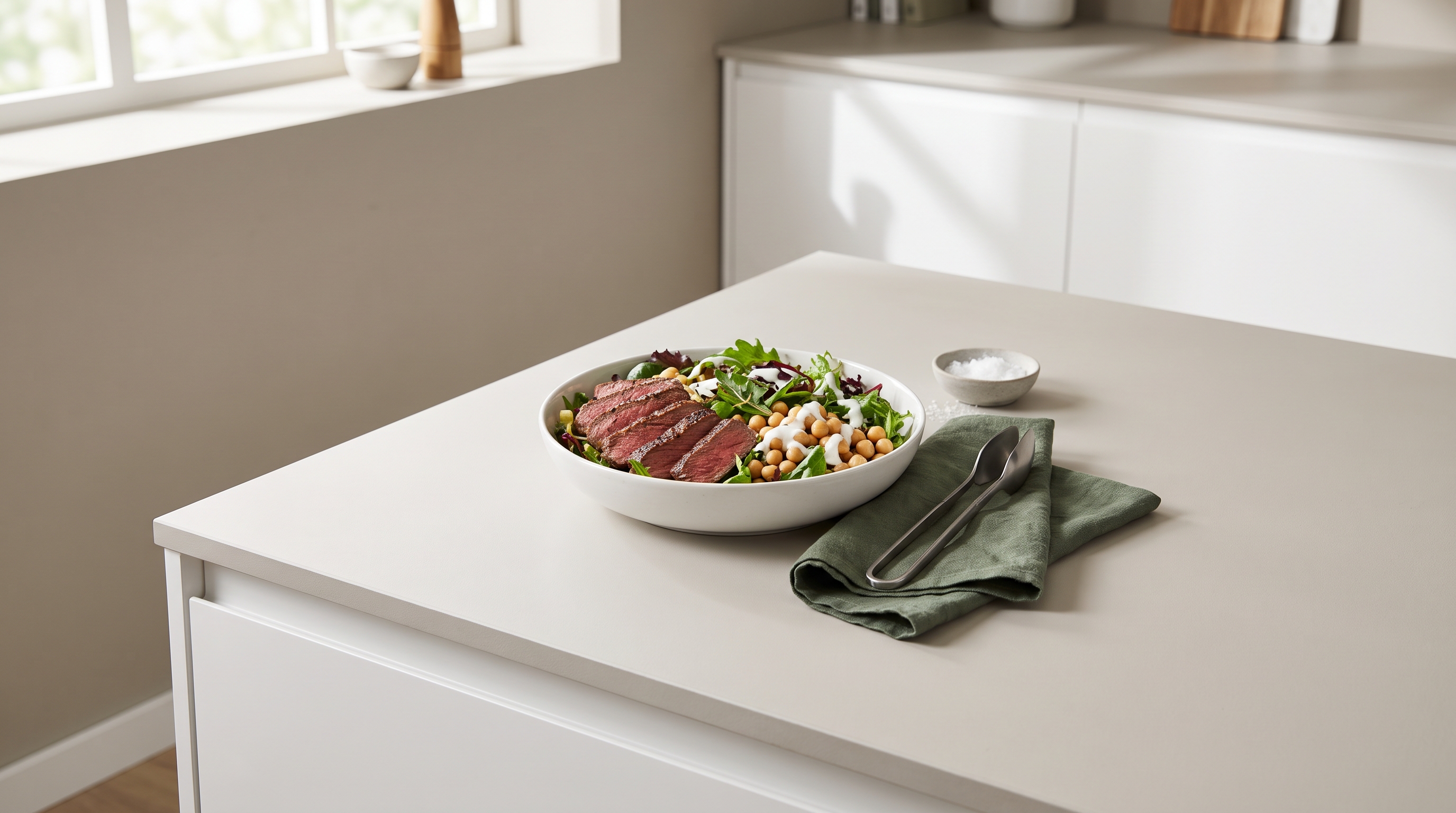
Start by adding one extra plant food a day rather than rethinking every meal at once. A handful of chickpeas on a salad or a spoon of yoghurt alongside breakfast is enough to begin.
If Your Week Is Already Packed
Lean on tinned beans, frozen mixed vegetables and pre-made yoghurt pots, since none of these need extra prep time. Variety doesn't require fresh produce every single day.
If You're Managing This Alongside Other Health Goals
Fibre needs to increase gradually, since a sudden jump can cause more discomfort than benefit. Spread new additions across a couple of weeks instead of all at once.
If You're Cooking for a Household
Add gut-friendly foods as sides or mix-ins rather than full meal swaps, so everyone still eats something familiar. A bean salsa on the table or kimchi as a condiment works without a full menu change.
Making Room for Gut Health Foods in a Normal Week
None of this needs a special shopping trip or a strict schedule - it just needs a plate that looks a little different most days.
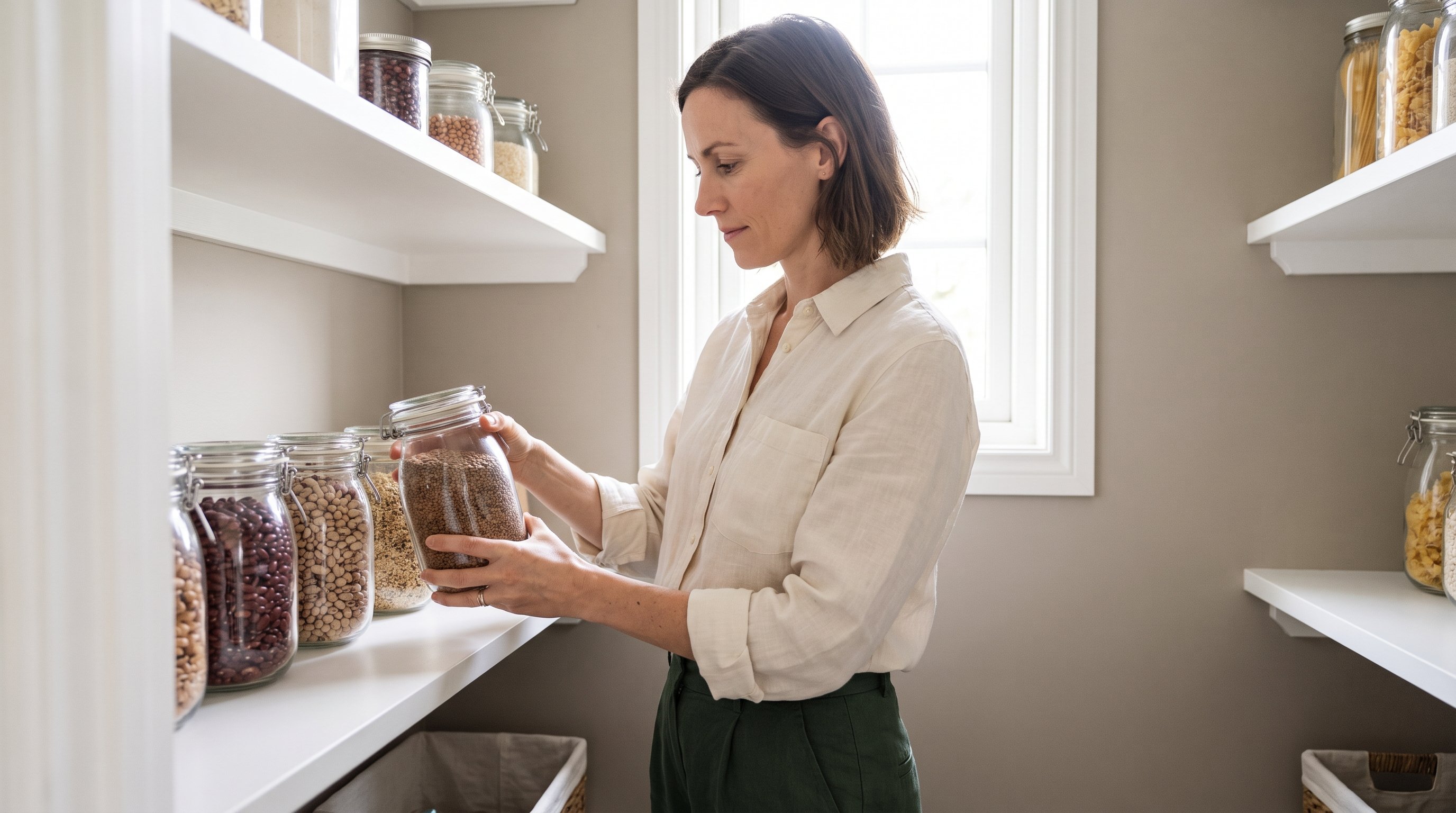
Keep a few staples stocked: tinned beans, a bag of mixed seeds, a tub of plain yoghurt, and whatever vegetables are in season.

A meal plan built around food you already like makes this far easier to repeat, because you're not relying on memory or motivation to decide what goes on the plate each night.
Peptide Diet's recipe library leans on that idea, pulling in fibre-rich and fermented ingredients as part of meals that are built to be eaten again, not just tried once.
The Myth That One Gut Food Fixes Everything
No single food, fermented or otherwise, repairs or cures anything about your digestion on its own.
The idea that one yoghurt or one supplement can overhaul how your gut works skips over how the system actually functions.
Gut bacteria respond to patterns over time, built from variety and consistency, not a single ingredient added to an otherwise unchanged diet.
The honest answer is less exciting but more useful: eat a wider range of plants and fermented foods regularly, and let that pattern do the work.
Supporting Gut-Friendly Eating With Peptide Diet
Building a wider variety of gut-friendly foods into your week is easier with a plan that already accounts for it, rather than figuring it out meal by meal.
Peptide Diet includes over 1000 recipes, so finding fibre-rich and fermented options that actually sound appealing isn't left to guesswork.
The nutrition and health guides inside the app cover topics like this one in more depth, written to help you understand the reasoning rather than just hand you a list.
Progress tracking for water intake and weight sits alongside the meal plans, so the food side and the consistency side stay in one place instead of scattered across apps.
Maximize Your Peptide Results
Eat Right, Lose Weight Faster
Keeping Gut-Friendly Eating Going Past the First Week
The simplest next step is adding one more plant food to tomorrow's plate - nothing more complicated than that.
Over a few weeks, that one addition tends to turn into a habit, which matters more than any single meal ever could.
Peptide Diet can help keep that habit visible, with recipes and trackers that make the pattern easier to repeat than to abandon.
FAQ
They support a varied, fibre-rich diet that tends to be more filling, which can make a calorie deficit easier to hold. They aren't a weight-loss food on their own, and no amount tied to a timeframe can be promised.
It overlaps, but gut health foods also include fermented options like yoghurt and legumes, which bring different benefits than vegetables alone. Variety across these categories matters more than focusing on one group.
Adding fibre gradually over a couple of weeks, rather than all at once, tends to cause fewer issues. Spacing out new foods instead of introducing several at the same time gives your system time to adjust.
Nothing is lost - just add a plant food back into the next meal and carry on from there. Peptide Diet's recipes and trackers are built so picking the habit back up doesn't require starting over.
Share this post