Foods That Reduce Bloating: The Honest Guide
By:Author:Peptide Diet Editorial
Updated on:October 18, 2026
- A Day of Eating That Keeps Bloating Down
- How Often to Swap in Bloat-Friendly Foods
- Why Gentle Swaps Beat Cutting Food Groups Entirely
- Making Bloat-Friendly Eating Work on a Normal Week
- Who This Approach Suits and How to Adjust It
- When Bloating Patterns Start to Settle
- Pairing Bloat-Friendly Foods With Peptide Diet
- Settling Into Meals That Don't Leave You Uncomfortable
Foods that reduce bloating tend to share a few traits: lower in fermentable sugars, easier to digest quickly, and high in water or potassium that helps the body manage fluid balance. Think cucumber, melon, ginger, plain yoghurt, oats and leafy greens over large portions of beans, cruciferous vegetables or carbonated drinks eaten fast.
Bloating usually comes from gas production during digestion, slower gut transit, or water retention linked to sodium and hormones. Swapping a few trigger foods for gentler ones can ease the discomfort without cutting out entire food groups.
This guide covers a sample day of bloat-friendly eating, how often to apply these swaps, why substitution beats strict elimination, and how to fit it into a normal week without obsessing over every meal.
A Day of Eating That Keeps Bloating Down
Here's one way a day could look if you're trying to keep bloating in check without overthinking it.
Sample Day
- Breakfast - plain oats with sliced banana and a spoon of plain yoghurt
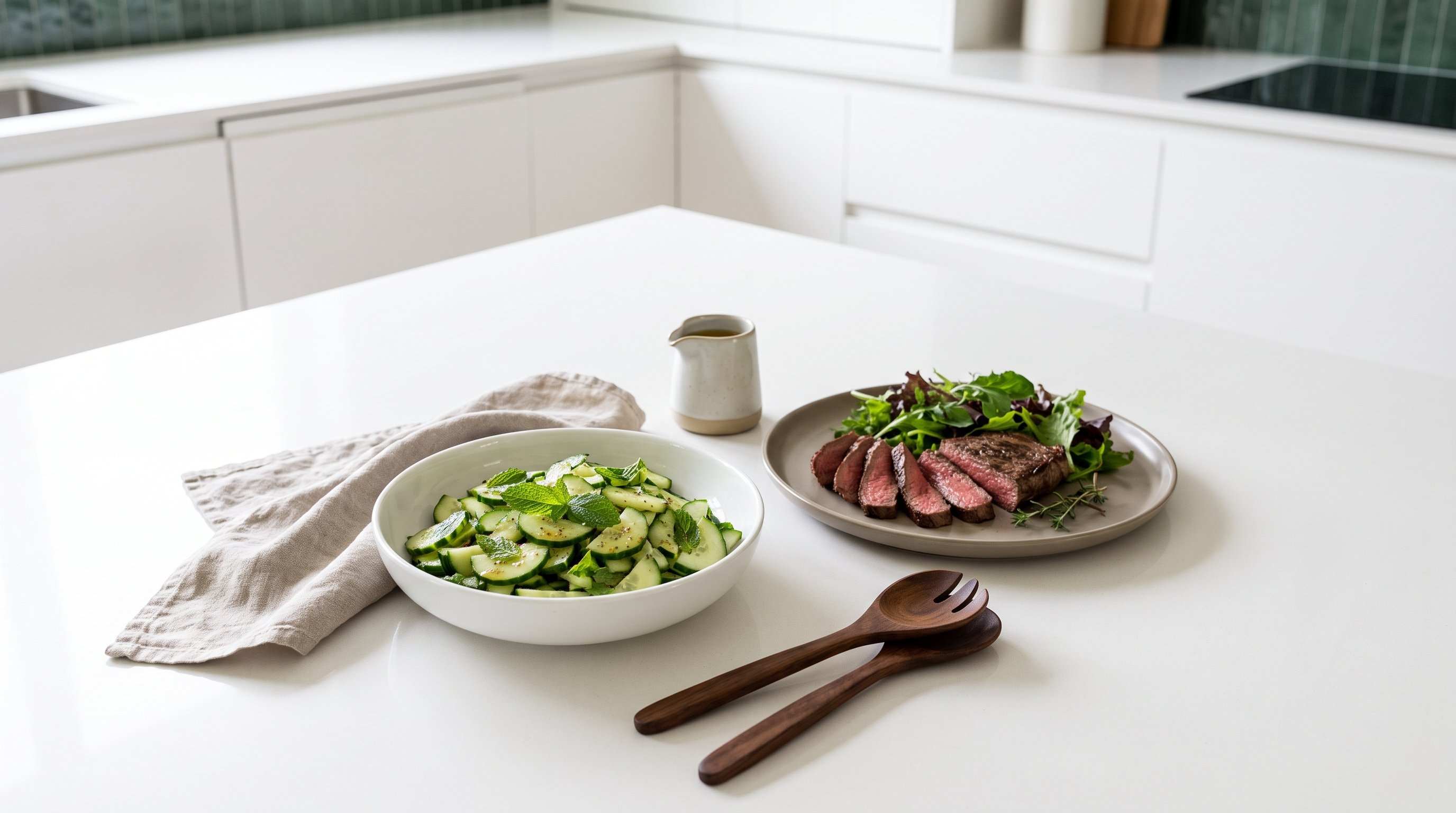
- Mid-morning - a cup of ginger tea and a handful of cucumber sticks
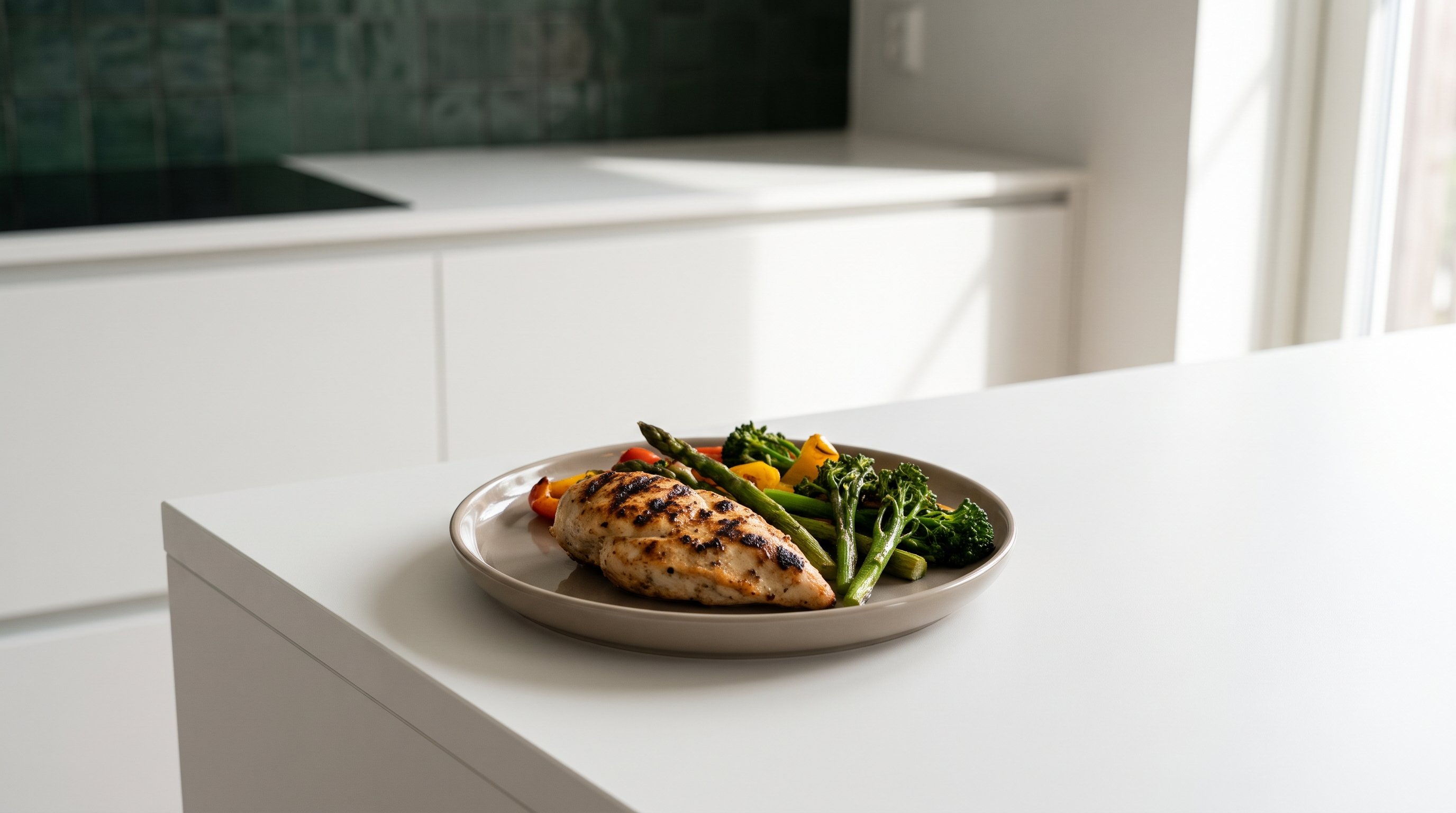
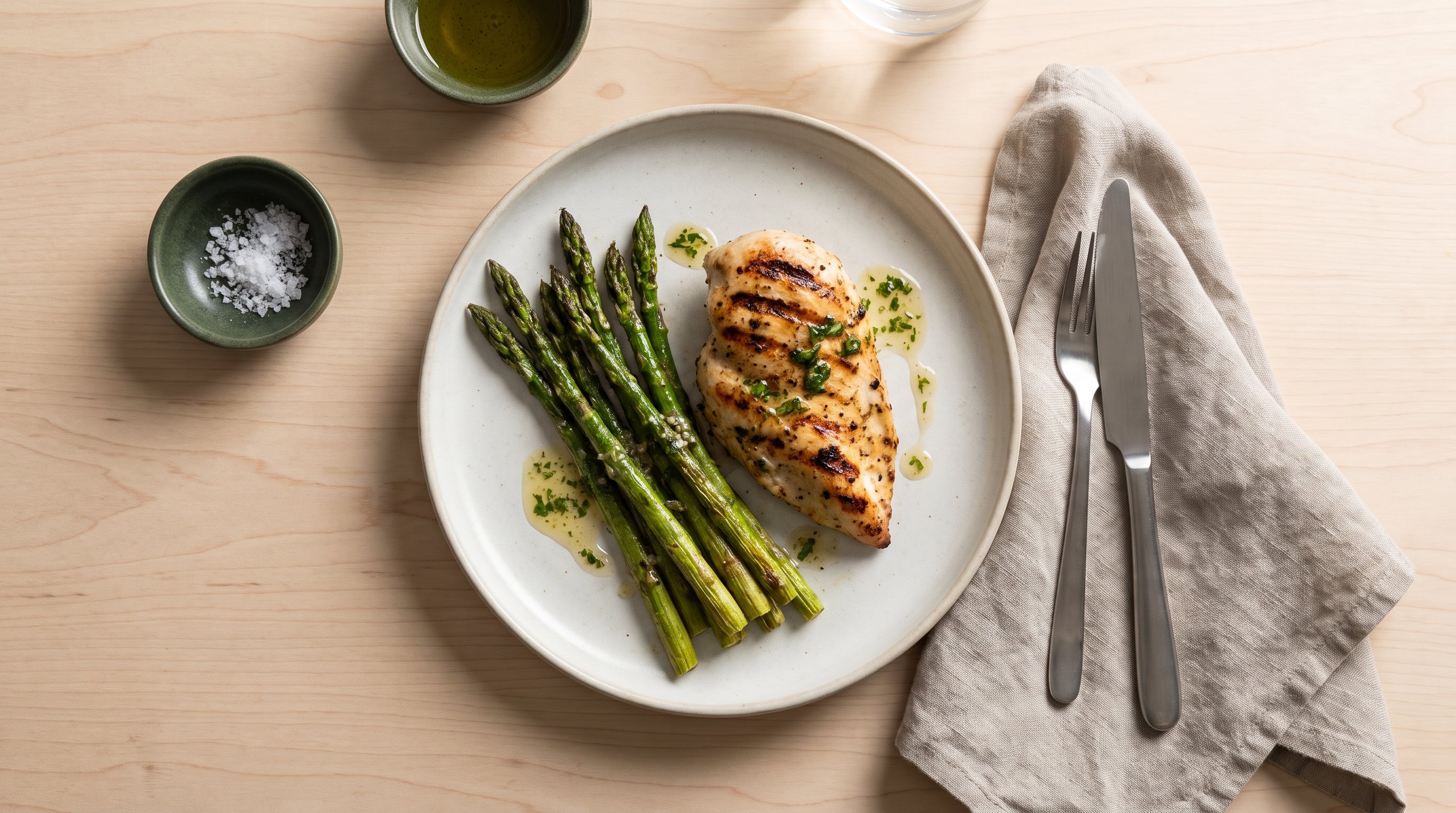
- Lunch - grilled chicken or tofu with rice and steamed spinach
- Afternoon - a small bowl of melon or berries
- Dinner - baked fish with roasted courgette and a side salad
- Evening - peppermint tea instead of a fizzy drink
Nothing here is restrictive. It's mostly about choosing the gentler version of a meal you'd eat anyway.
How Often to Swap in Bloat-Friendly Foods
There's no need to overhaul every meal. Small, consistent swaps at the meals that tend to cause trouble usually do more than an all-or-nothing approach.
A Simple Frequency Guide
Use this as a rough starting point and adjust based on how your body responds.
| Situation | Approach |
|---|---|
| Daily meals | Favour water-rich, low-fermentation foods |
| After a heavy meal | Ginger or peppermint tea |
| Fizzy drinks | Swap for still water most days |
| Large bean or cruciferous portions | Smaller portions, a few times a week |
| High-sodium meals | Balance with potassium-rich sides like spinach or banana |
Why Gentle Swaps Beat Cutting Food Groups Entirely
Cutting out whole food groups, like all legumes or all vegetables that cause gas, is hard to sustain and often unnecessary. Most people don't react to every gas-producing food the same way, so wholesale elimination usually means giving up foods you didn't need to.
Swapping portion sizes or timing, instead of removing foods outright, is easier to keep up because it doesn't feel like a diet. You still eat beans, you just eat a smaller serving on a day that matters, like before a long meeting or a flight.
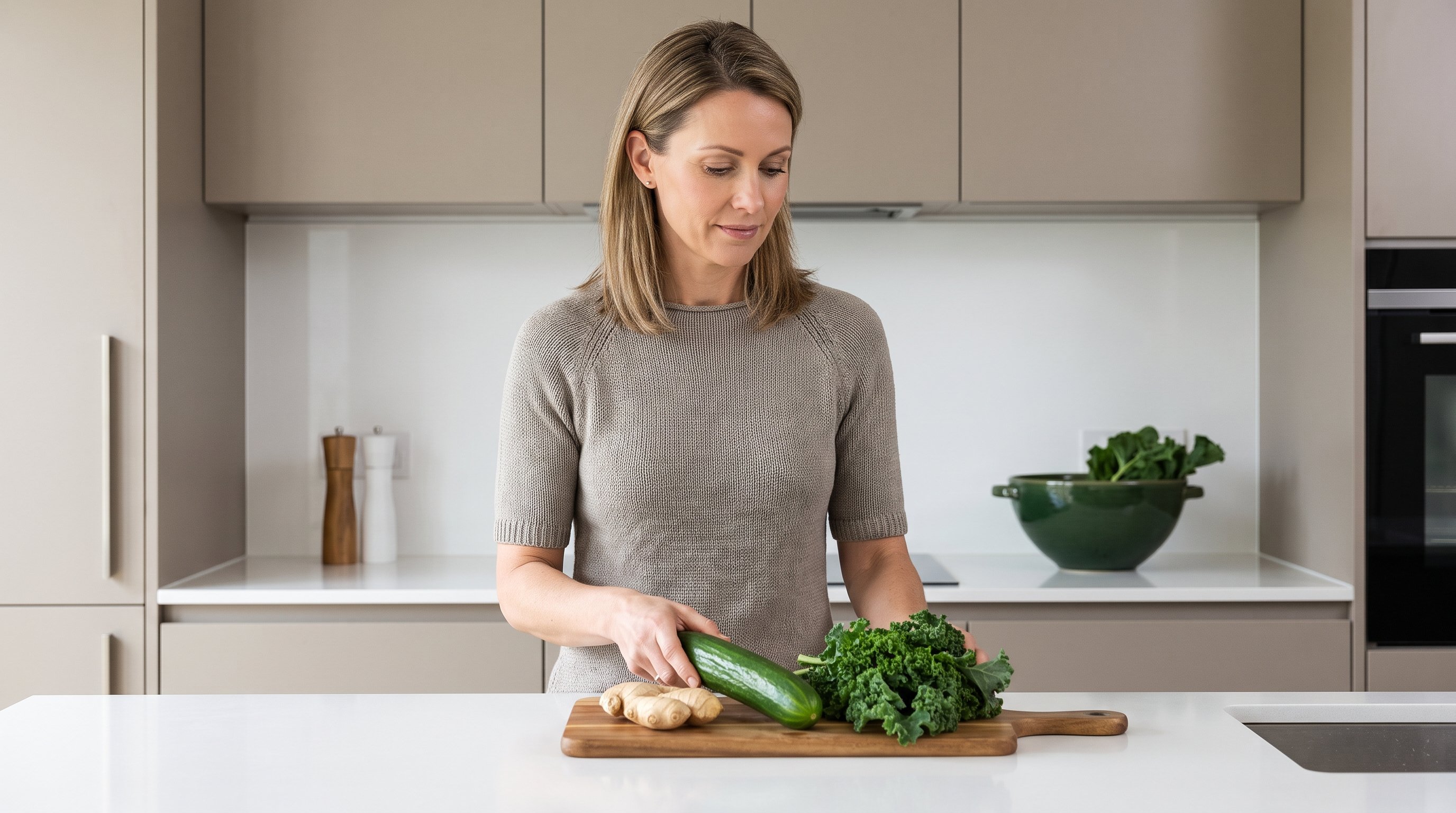
The adherence argument is simple: a plan you can actually stick to most days beats a stricter one you abandon within a week.
Making Bloat-Friendly Eating Work on a Normal Week
Real weeks involve takeaways, social meals and days where cooking from scratch isn't happening. The aim isn't a perfect plate every time, it's a pattern that leans gentle more often than not.
Having a meal plan built around food you already like makes it easier to default to bloat-friendly choices without extra thought on busy days. Peptide Diet's recipe library and tracking tools can help keep that pattern visible so it doesn't quietly slip.
Who This Approach Suits and How to Adjust It
If You're New to Paying Attention to Bloating
Start with one swap, like fizzy drinks for still water, before changing anything else. Small, obvious wins build confidence before you tackle trickier patterns like meal timing.
If Your Schedule Is Packed
Lean on simple combinations, like yoghurt and oats or a pre-washed salad bag, rather than cooking elaborate meals. The goal is consistency, not complexity.
If You're Older or Have a Sensitive Digestion
Smaller, more frequent meals tend to sit easier than large ones, and cooked vegetables are often gentler than raw. Adjust portion sizes rather than cutting foods out completely.
If You Travel or Eat Out Often
Choose grilled or steamed options over fried or creamy sauces, and carry a few ginger or peppermint tea bags for after meals. You can still enjoy the meal out without the next few hours feeling uncomfortable.
When Bloating Patterns Start to Settle
This isn't a fast fix, and anyone expecting an instant flat stomach is likely to quit before the swaps become habit. The body doesn't work by target areas, so this is about comfort and digestion overall, not a specific shape change.
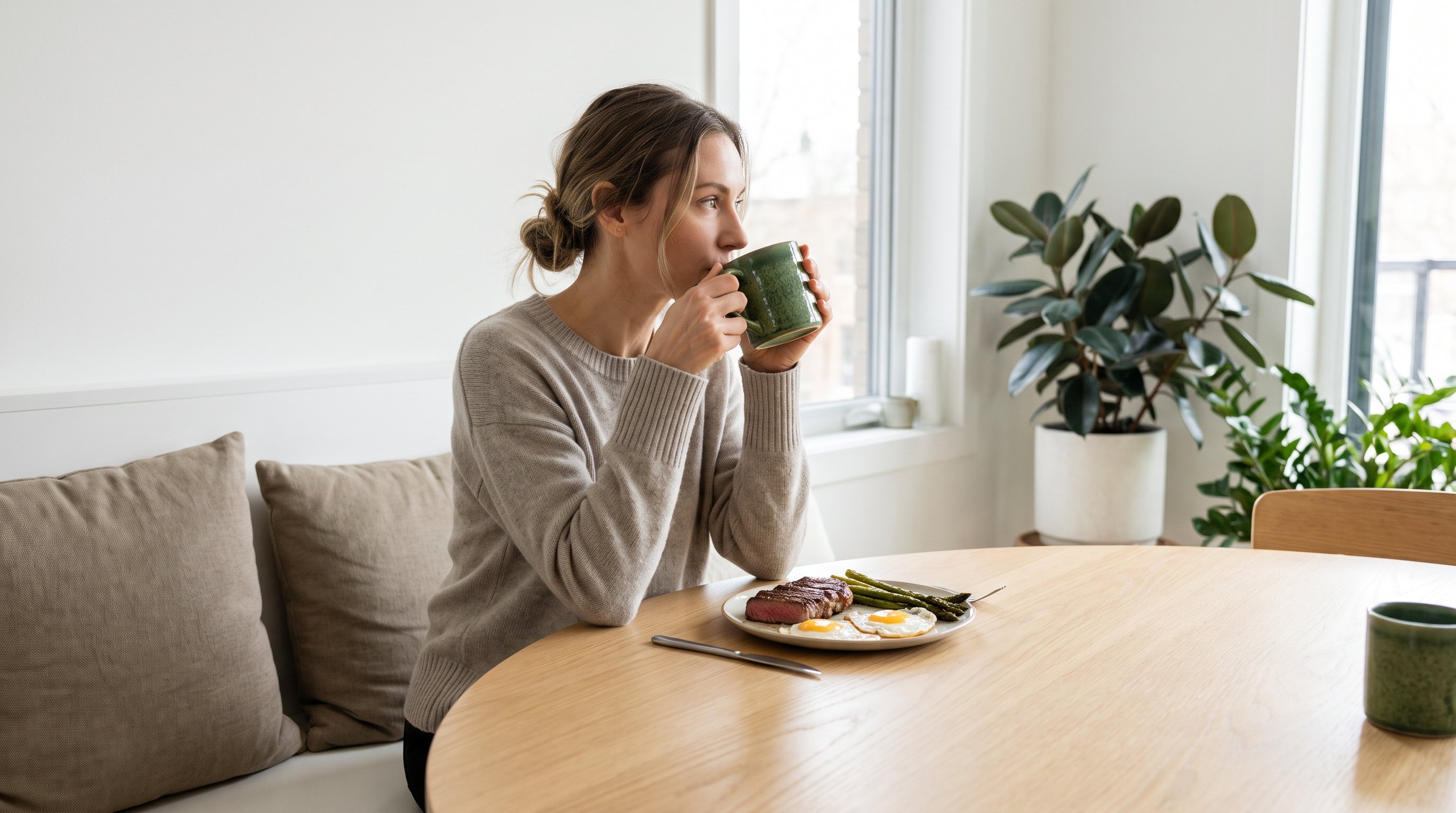
Give the small swaps a few weeks before judging whether they're making a difference, and keep a loose note of what seems to help. Most people find the pattern becomes automatic well before they'd have noticed any dramatic before-and-after.
Pairing Bloat-Friendly Foods With Peptide Diet
Knowing which foods tend to sit easier is only half the job. Having a plan that puts those foods in front of you at the right meal is the part that actually sticks.
Peptide Diet's customized meal plans draw on over 1000 recipes, so swapping in gentler options doesn't mean eating the same three meals on repeat. Pairing that with the progress trackers for water intake and weight means you can see patterns over time instead of guessing.
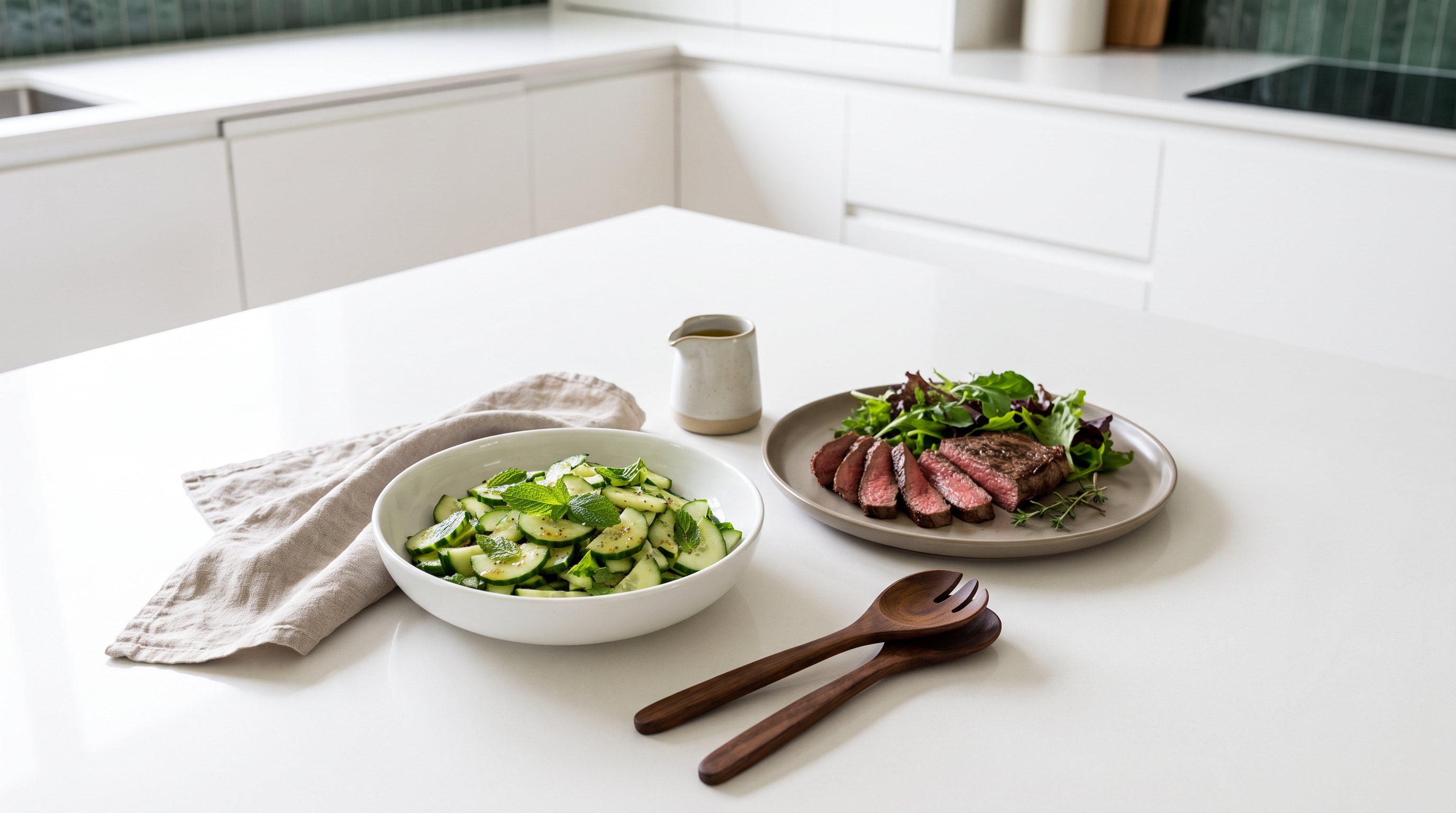
Maximize Your Peptide Results
Eat Right, Lose Weight Faster
Settling Into Meals That Don't Leave You Uncomfortable
Pick one meal today and make one swap, whether that's still water instead of a fizzy drink or a smaller portion of a food you know causes trouble. Small, repeatable choices add up faster than an overhaul you can't maintain.
Peptide Diet can help keep those choices in view with meal plans and tracking built around how you actually eat, not a strict list of forbidden foods.
FAQ
Water-rich foods like cucumber and melon, along with ginger, peppermint and plain yoghurt, tend to sit easier on digestion than large portions of beans or fizzy drinks. There's no single food that fixes bloating, it's more about the overall pattern of what and how much you eat.
No, cutting out whole food groups usually isn't necessary and is harder to stick to than adjusting portion size or timing. Most people can keep eating beans and cruciferous vegetables, just in smaller amounts on days it matters.
Simple swaps, like choosing still water over soda or yoghurt over a heavier dessert, don't require extra cooking time. Peptide Diet's recipe library is built to make these swaps quick rather than another thing to plan around.
Bloating can be influenced by portion size, eating speed, sodium intake and hormones, so it rarely disappears completely even with good habits. The aim is fewer uncomfortable days overall, not a permanent absence of bloating.
Share this post