High Protein Snacks: The Honest Guide
By:Author:Peptide Diet Editorial
Updated on:October 18, 2026
- Building a Snack Habit That Actually Holds
- How Much Protein a Snack Actually Needs
- Fitting High Protein Snacks Into a Busy Day
- A Four-Stage Way to Build the Snack Habit
- When Snack Swaps Start to Feel Automatic
- Where High Protein Snacking Quietly Falls Apart
- Supporting High Protein Snacks With Peptide Diet
- Making Snacking Work for the Long Run
High protein snacks work because they fill the gap between meals without undoing the calorie deficit that actually drives weight loss. Protein is the macronutrient that keeps you fuller for longer per calorie, so swapping a crisps-and-biscuit habit for something protein-led tends to mean less random grazing later.
The mechanism is simple: protein takes more effort to digest and sits with you longer than refined carbs or fat alone, so a well-chosen snack reduces the pull toward a second one an hour later.
This guide covers how much protein a snack actually needs, what a realistic snacking day looks like, a four-stage way to build the habit, and the mistakes that trip people up after the first good week.
Building a Snack Habit That Actually Holds
Most people don't fail at high protein snacking because the food is wrong. They fail because the plan around it was never built to survive a normal week.
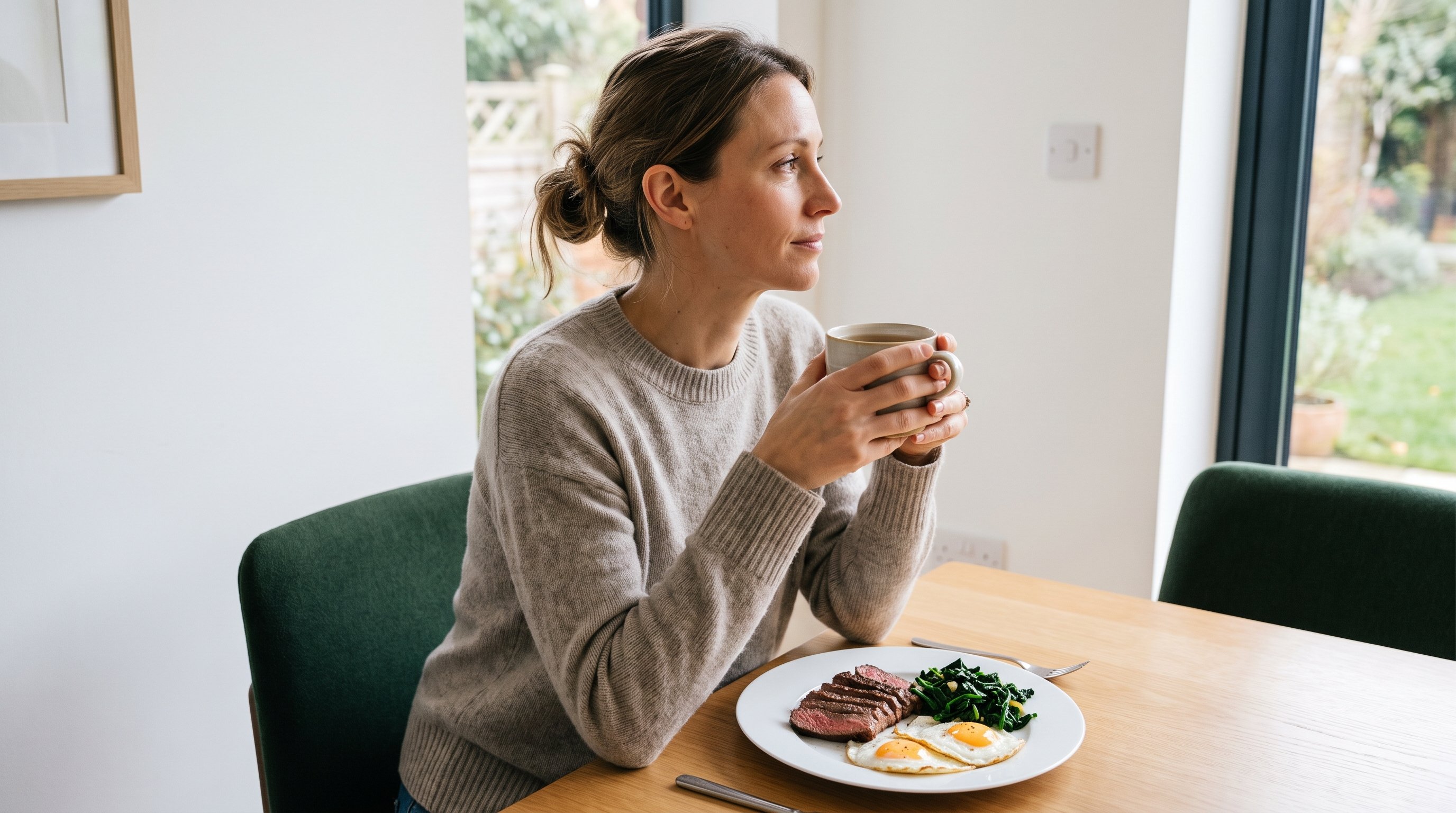
Steps to Build the Habit
- Pick two snack slots - mid-morning and mid-afternoon are the two windows where most people reach for something anyway.
- Choose three go-to options - rotate between them so you never have to think from scratch when you're hungry.
- Keep them visible and ready - pre-portion snacks so the easy option is also the protein-rich one.
- Pair protein with some fibre - a piece of fruit or a few crackers alongside protein slows things down further.
- Track for a week, not forever - just enough to see what you're actually reaching for.
- Adjust portion size to your day - a heavier snack on a long gap between meals, a lighter one on a short gap.
- Let one slip go - missing a day doesn't undo the week, so don't treat it like it does.
How Much Protein a Snack Actually Needs
A snack doesn't need to match a meal. Somewhere in the range of 10-20 grams of protein per snack is usually enough to make it feel like a proper stop-gap rather than an empty one.
A Quick Reference for Common Snacks
These are everyday options, not a prescription - use the table to compare what's already in your kitchen.
| Snack | Protein | Notes |
|---|---|---|
| Greek yoghurt pot | 10-15g | Add berries for fibre |
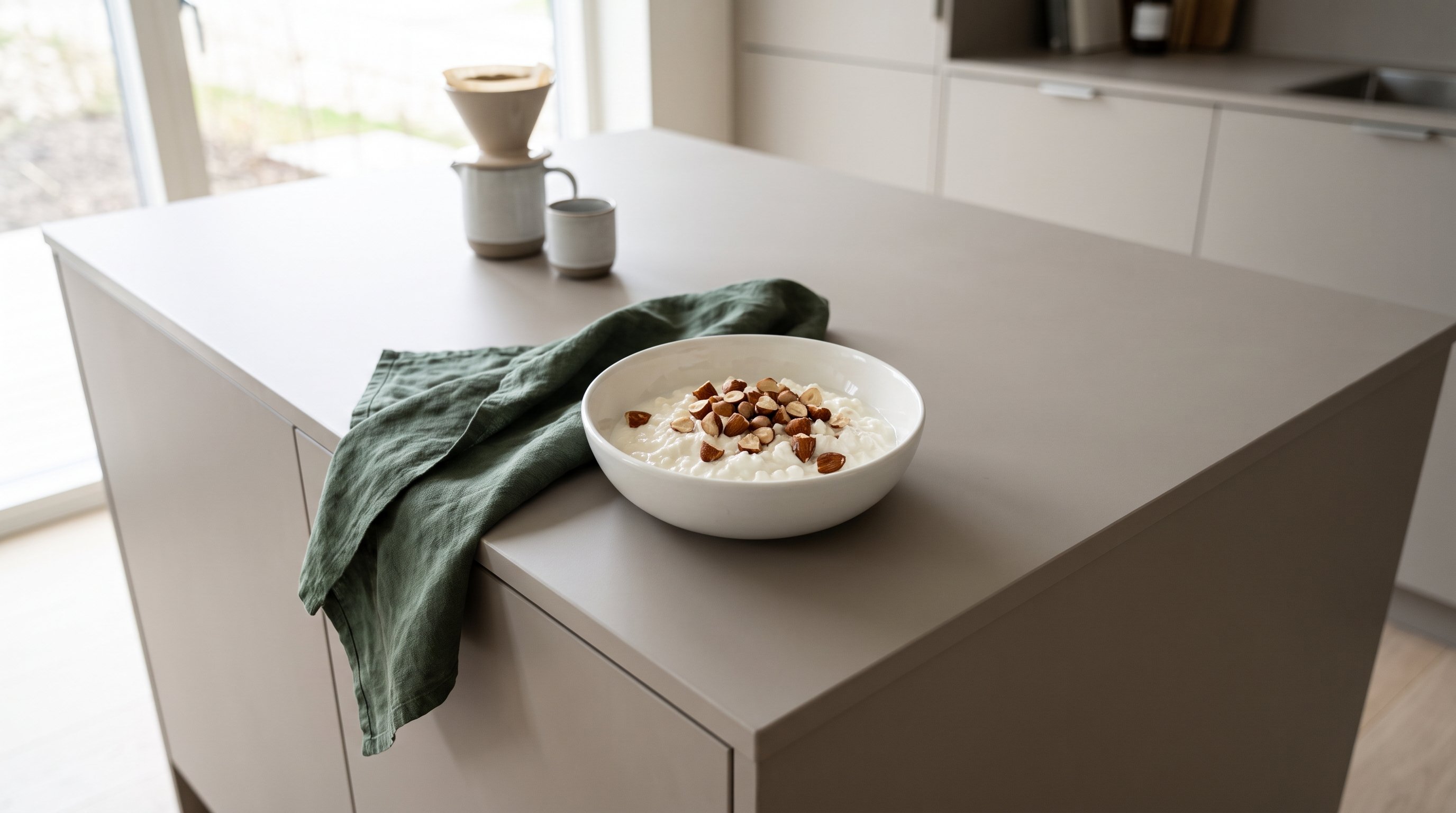
| Cottage cheese, small bowl | 12-14g | Pairs well with crackers |
| Boiled eggs, two | 12g | Easy to prep ahead |
| Handful of almonds | 6g | Lower protein, add to a pairing |
| Edamame, small bowl | 8-10g | Good plant-based option |
Fitting High Protein Snacks Into a Busy Day
The honest version of snacking is that it has to survive the 3pm slump, the school run, the desk lunch eaten in ten minutes. If a snack needs a chopping board and twenty minutes, it won't happen on the days that matter most.

This is where a customized meal plan built around food you already like earns its keep - Peptide Diet slots snack suggestions into the gaps around your existing meals rather than asking you to overhaul the whole day.
It also means less decision fatigue, because the snack choice is already made before you're hungry and reaching for whatever's nearest.
A Four-Stage Way to Build the Snack Habit
Order matters more than speed here. Each stage builds on the one before it, so skipping ahead usually means the habit falls apart by week three.
| Stage | Focus |
|---|---|
| Week 1 | Swap one daily snack for a protein option |
| Week 2 | Add a second protein snack slot |
| Week 3 | Pre-portion snacks for three days ahead |
| Week 4 | Rotate in new options to avoid boredom |
When Snack Swaps Start to Feel Automatic
The first week usually feels like effort - new snacks, new portions, remembering to pack things. That's normal and it doesn't mean the approach isn't working.
Somewhere past the early stage, reaching for the protein option stops being a decision and starts being what's just in the bag or the fridge drawer. That's usually also when the 3pm slump feels less dramatic, because the gap between meals is being managed rather than ignored.
Expect some weeks to feel easier than others - travel, stress and a busy calendar all chip away at consistency, and that's fine as long as the habit gets picked back up.
Where High Protein Snacking Quietly Falls Apart
Treating Protein Bars As a Free Pass
Some bars carry as much sugar as a chocolate bar alongside the protein, so check the label rather than trusting the front-of-pack claim.
Snacking on Top of Full Meals Instead of Instead of Them
A snack is meant to bridge a gap, not sit on top of three full meals - if the deficit disappears, so does the point of the swap.
Only Prepping for the Easy Days
The days you don't prep are exactly the days you'll reach for whatever's nearest, so batch-prep on a day you know is calm.
Expecting One Snack to Target a Body Area
No snack, high protein or otherwise, changes where weight comes off the body - it only supports the overall deficit.
Giving Up After One Missed Day
One skipped snack slot doesn't erase the week's pattern, so there's no need to restart from zero.
Supporting High Protein Snacks With Peptide Diet
Finding the right snack is only half the job - the other half is remembering to have it ready before hunger makes the decision for you.
Peptide Diet brings together a meal plan built around food you already like, over 1000 recipes to pull snack ideas from, and progress trackers that keep water, steps and weight in one place so snacking fits into the bigger picture instead of sitting apart from it.
Maximize Your Peptide Results
Eat Right, Lose Weight Faster
Making Snacking Work for the Long Run
High protein snacks aren't a trick - they're a small, repeatable swap that makes the rest of the day easier to manage.
Pick two snack slots this week, stock three go-to options, and let Peptide Diet handle the planning around them so the habit has somewhere to live.
FAQ
They help indirectly, by keeping you fuller between meals so you're less likely to overeat later in the day. No snack causes weight loss on its own - the overall calorie deficit does that work.
It can, if the snack is on top of meals that are already enough on their own. Swapping a lower-protein snack for a higher-protein one within the same calorie budget is the part that matters.
Pick options that need zero prep, like boiled eggs made in a batch or pre-portioned yoghurt pots. Peptide Diet's recipe list leans on simple, ready-fast options for exactly this reason.
Boredom with the same three snacks is the most common drop-off point. Rotating in new options every few weeks, as laid out in the four-stage plan, keeps it from going stale.
Share this post