High Protein Breakfast: The Honest Guide
By:Author:Peptide Diet Editorial
Updated on:October 18, 2026
- Does Starting the Day This Way Actually Help?
- High Protein Breakfast vs Skipping Breakfast Entirely
- Why Eating More Protein Beats Relying on Willpower Alone
- Adapting a High Protein Morning to Different Routines
- Making It Work on an Ordinary Weekday
- The Myth That One Meal Changes Everything
- Building Breakfast Habits With Peptide Diet
- Where to Start Tomorrow Morning
Starting the day with more protein is simple: pick foods like eggs, yoghurt or cottage cheese instead of cereal alone, and you tend to feel fuller for longer.
Protein takes longer to digest than refined carbs, so hunger shows up later and the mid-morning snack urge fades a bit.
This guide covers the mechanism, the honest numbers, how it compares to a low-protein morning, who it suits, and how to make it stick without overhauling your whole kitchen.
Does Starting the Day This Way Actually Help?
The mechanism is straightforward: protein slows gastric emptying and keeps you satisfied longer than a bowl of sugary cereal does.
That means fewer trips to the snack drawer before lunch, which helps you hold a calorie deficit without white-knuckling it.
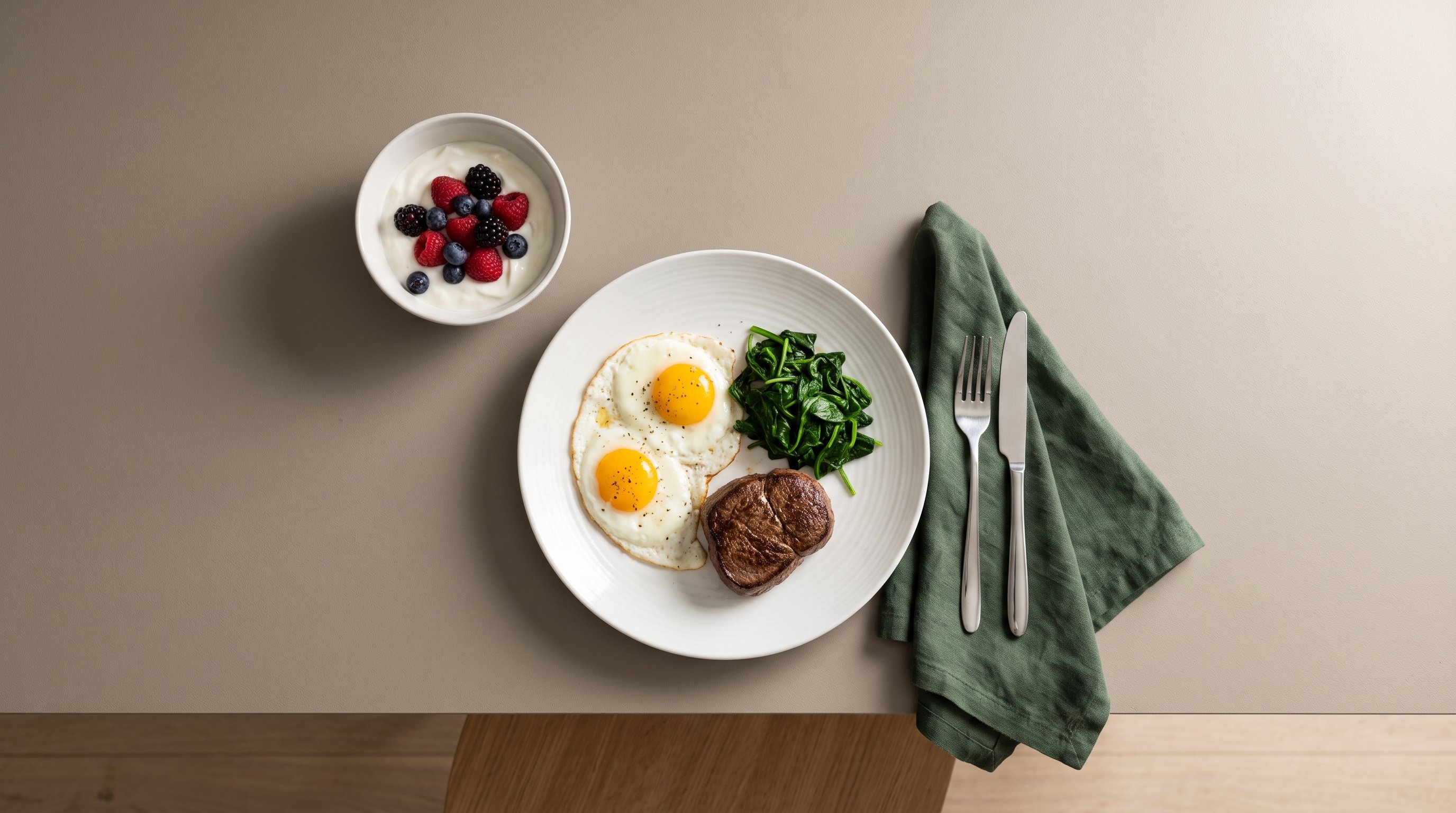
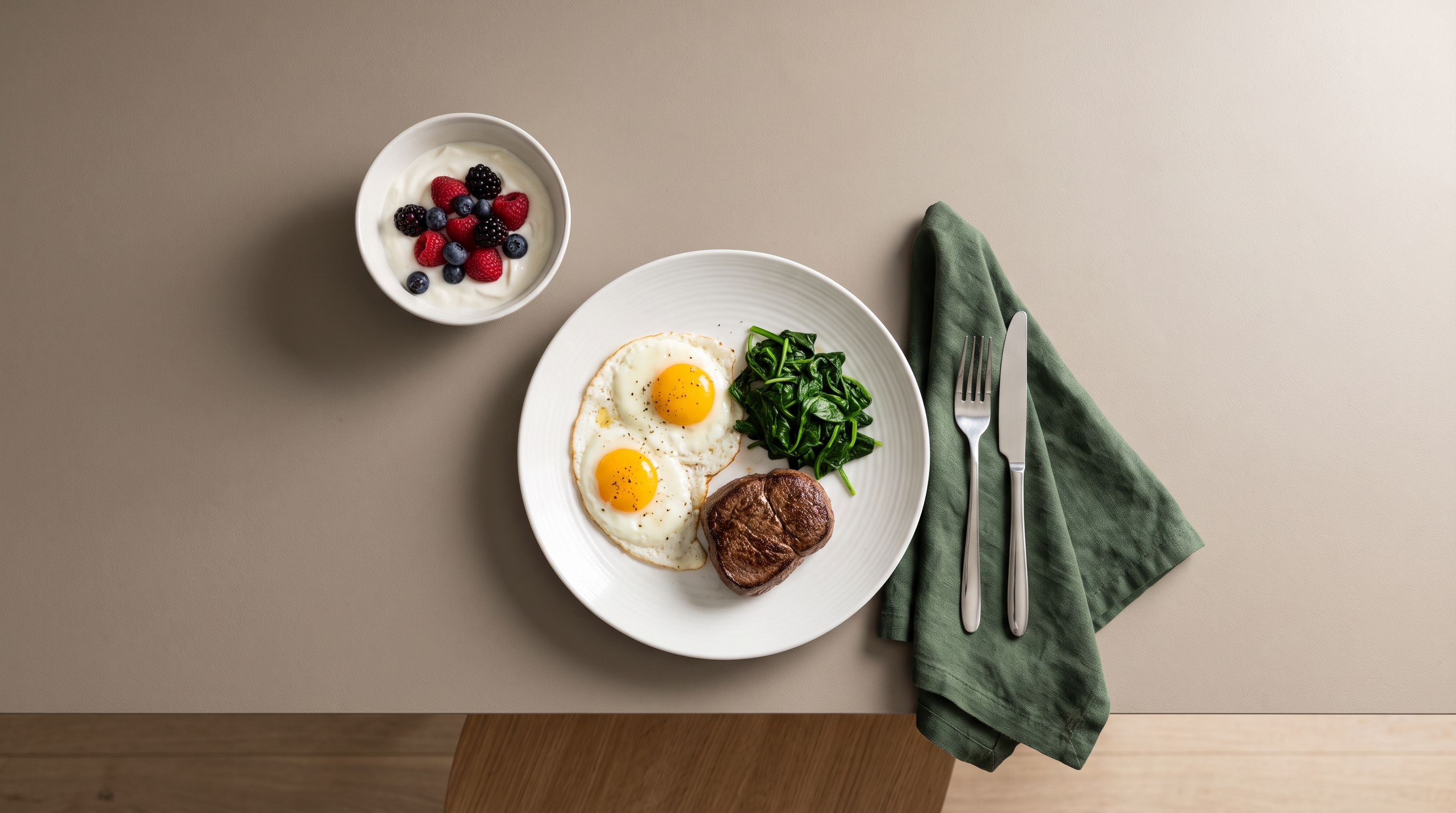
Do the arithmetic. Two eggs provide around 12g of protein, a 170g pot of plain Greek yoghurt adds roughly 17g, and a slice of wholegrain toast with peanut butter tacks on another 8g or so.
Put those together and you are looking at close to 37g of protein before 9am, versus maybe 6-8g from a bowl of standard cereal and milk.
That gap is not magic. It just means less hunger signalling later in the morning, which makes the rest of the day's eating easier to manage.
High Protein Breakfast vs Skipping Breakfast Entirely
The real decision most people weigh is not cereal versus eggs - it is eating a protein-rich morning meal versus skipping breakfast altogether and hoping willpower carries them to lunch.
Both can fit into a calorie deficit. The difference is how each one feels by 11am.

| Approach | Fullness | Effort | Flexibility |
|---|---|---|---|
| Protein breakfast | Steady into late morning | 5-10 minutes prep | Easy to rotate foods |
| Skipping breakfast | Drops by mid-morning | Zero prep | Hard to sustain daily |
| Cereal only | Fades within an hour | Minimal prep | Limited protein options |
| Pastry or toast alone | Short-lived, quick dip | Very low effort | Easy but not filling |
| Protein shake | Moderate, fast but fades | 2 minutes to make | Good for rushed mornings |
None of these is wrong on its own. The table just shows why a protein-forward morning tends to be easier to repeat day after day than gritting your teeth through hunger until noon.
Why Eating More Protein Beats Relying on Willpower Alone
Willpower is a limited resource, and asking it to fight hunger signals every single morning is a losing bet over weeks and months.
A protein-rich breakfast works differently - it changes the hunger signal itself, so there is less to resist in the first place.
That is the whole case for the easier route. Fighting cravings all morning takes effort that runs out by day three or four, while eating something that naturally delays hunger just keeps working, meal after meal, without needing extra motivation.
Consistency is unglamorous and it wins anyway. The goal is not a perfect breakfast - it is one you will actually make again tomorrow.
Adapting a High Protein Morning to Different Routines
If Mornings Are Always Rushed
Keep boiled eggs or a tub of cottage cheese ready in the fridge so breakfast takes under two minutes to assemble.

If You're New to Eating This Way
Start by adding one protein source to what you already eat, like yoghurt on top of fruit, rather than replacing the whole meal at once.
If You Train in the Morning
Have something light with protein before, such as yoghurt, and a fuller plate with eggs or beans afterward to support recovery.
If You're Often Not Hungry Early
A small portion is fine - even a few spoonfuls of yoghurt or a boiled egg counts, and you can eat more once appetite shows up later.
Making It Work on an Ordinary Weekday
The easiest mornings are the ones where you are not deciding from scratch every single day.
Pick two or three go-to combinations - eggs and toast, yoghurt and berries, overnight oats with a protein boost - and rotate between them so breakfast stops being a decision at all.
This is where a meal plan built around food you already like helps, because Peptide Diet lays out breakfast options in advance so you are not staring at the fridge wondering what counts.
Pairing that with progress tracking - keeping steps, water and weight in one place - makes it easier to notice what is actually working for you.
The Myth That One Meal Changes Everything
No single meal, however well planned, targets fat in one area or delivers overnight results - the body does not work that way.
A high protein breakfast will not sculpt anything on its own, and it will not undo the rest of a day's eating by itself either.
What it actually does is make the next few hours easier to manage, which adds up over weeks when it is repeated consistently alongside the rest of your eating.
Treat it as one useful lever among several, not a shortcut, and the expectations stay realistic.
Building Breakfast Habits With Peptide Diet
Finding new breakfast ideas every week gets tiring fast, which is usually where good habits quietly fall apart.
Peptide Diet gives you a plan built around food you already like, drawing from a library of recipes so breakfast options stay varied instead of repetitive.
It also brings in progress tracking for weight, water and steps, plus nutrition guides that explain the reasoning behind the swaps, so you are not just following instructions blindly.
Maximize Your Peptide Results
Eat Right, Lose Weight Faster
Where to Start Tomorrow Morning
Pick one protein-rich option tonight - eggs, yoghurt, or a simple overnight oats mix - and have it ready before you go to bed.
That one small shift, repeated for a couple of weeks, tells you more than any amount of reading about it.
If you want the planning done for you, Peptide Diet keeps the options rotating so breakfast never feels like a chore.
FAQ
It helps indirectly by keeping you fuller for longer, which can make it easier to stay within a calorie deficit across the day. It is not a direct fat-loss tool on its own.
It can take a bit more prep at first, but keeping two or three go-to combinations ready usually brings it down to a few minutes. Most of the effort is upfront, not daily.
Protein does not have to come from eggs or dairy - beans, lentils, nut butters and plant-based yoghurts all work. The goal is the protein amount, not any one food.
Missing a day here and there will not undo progress, since this is about a pattern over weeks, not a single meal. Peptide Diet's recipe library makes it simple to pick back up the next morning without overthinking it.
Share this post