Best Protein Sources: A Realistic Guide to Choosing Well
By:Author:Peptide Diet Editorial
Updated on:October 18, 2026
- The Myth That One Protein Food Does the Heavy Lifting
- How Protein Actually Supports a Calorie Deficit
- What Separates a Strong Protein Choice From a Weak One
- A Day of Meals Built Around Protein
- Making Protein Choices Work on a Normal Week
- When Better Protein Habits Start to Feel Normal
- Mistakes That Undercut Good Protein Intake
- Building Better Protein Habits With Peptide Diet
- Choosing Protein Sources You Can Stick With
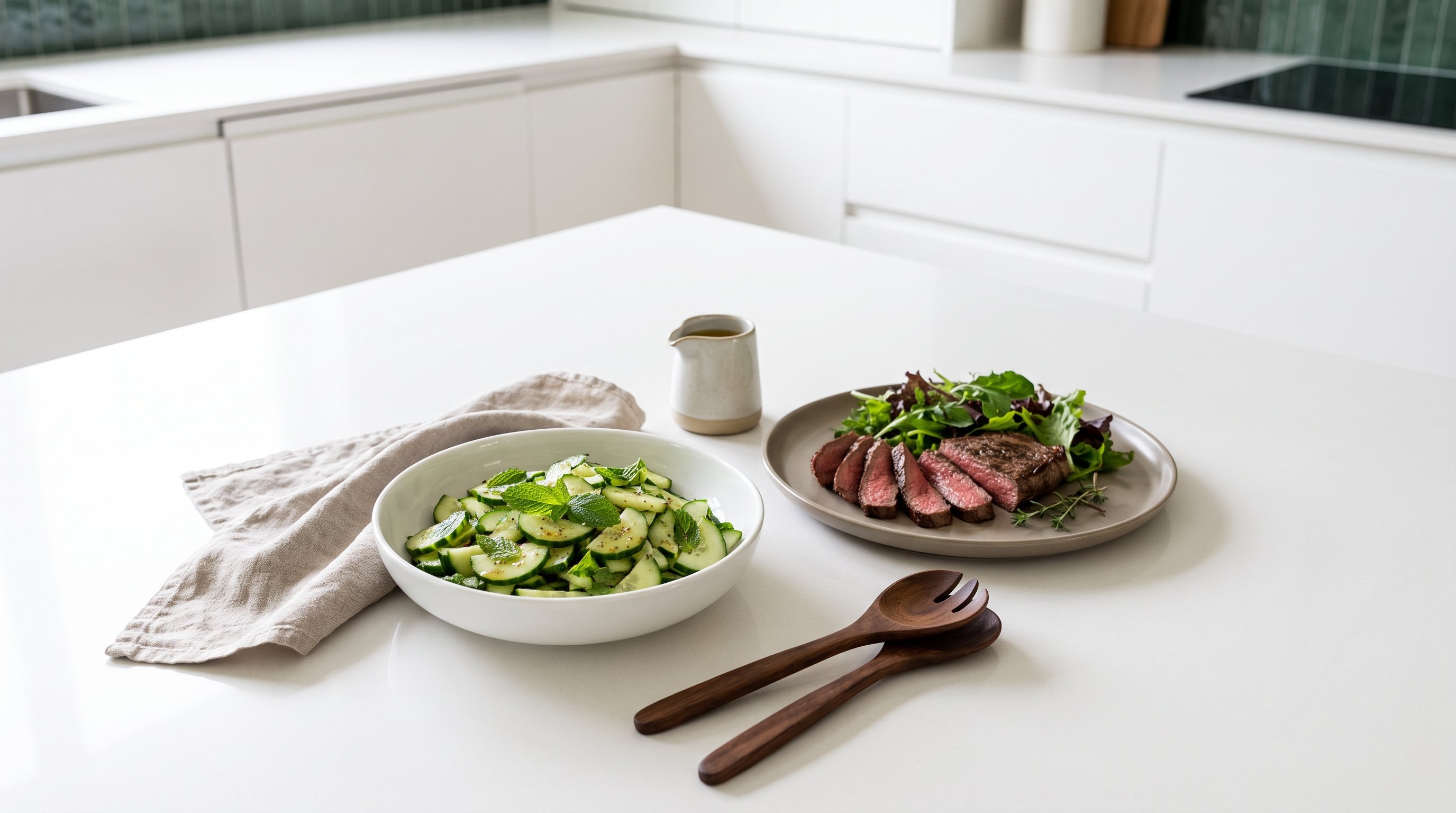
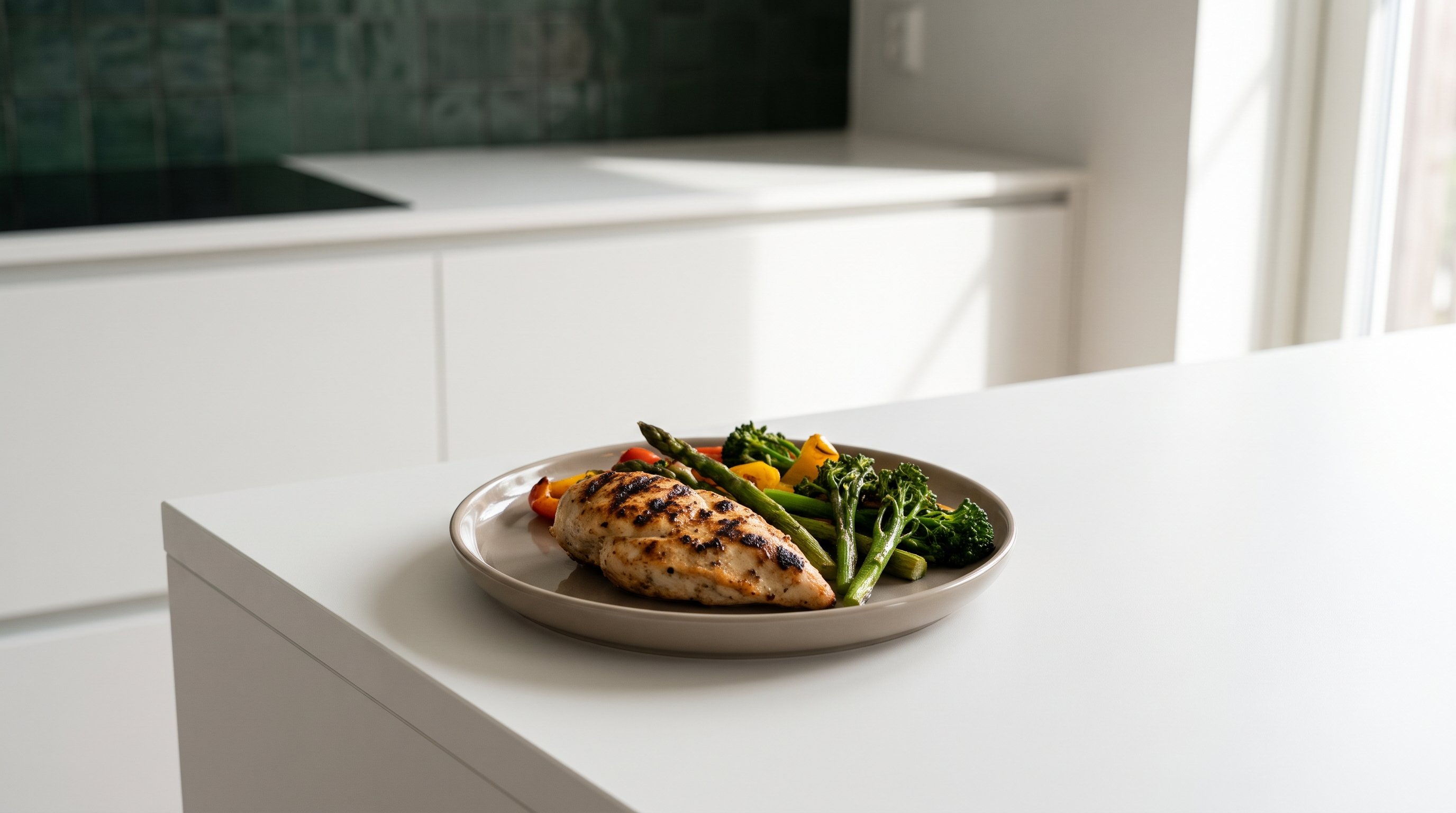
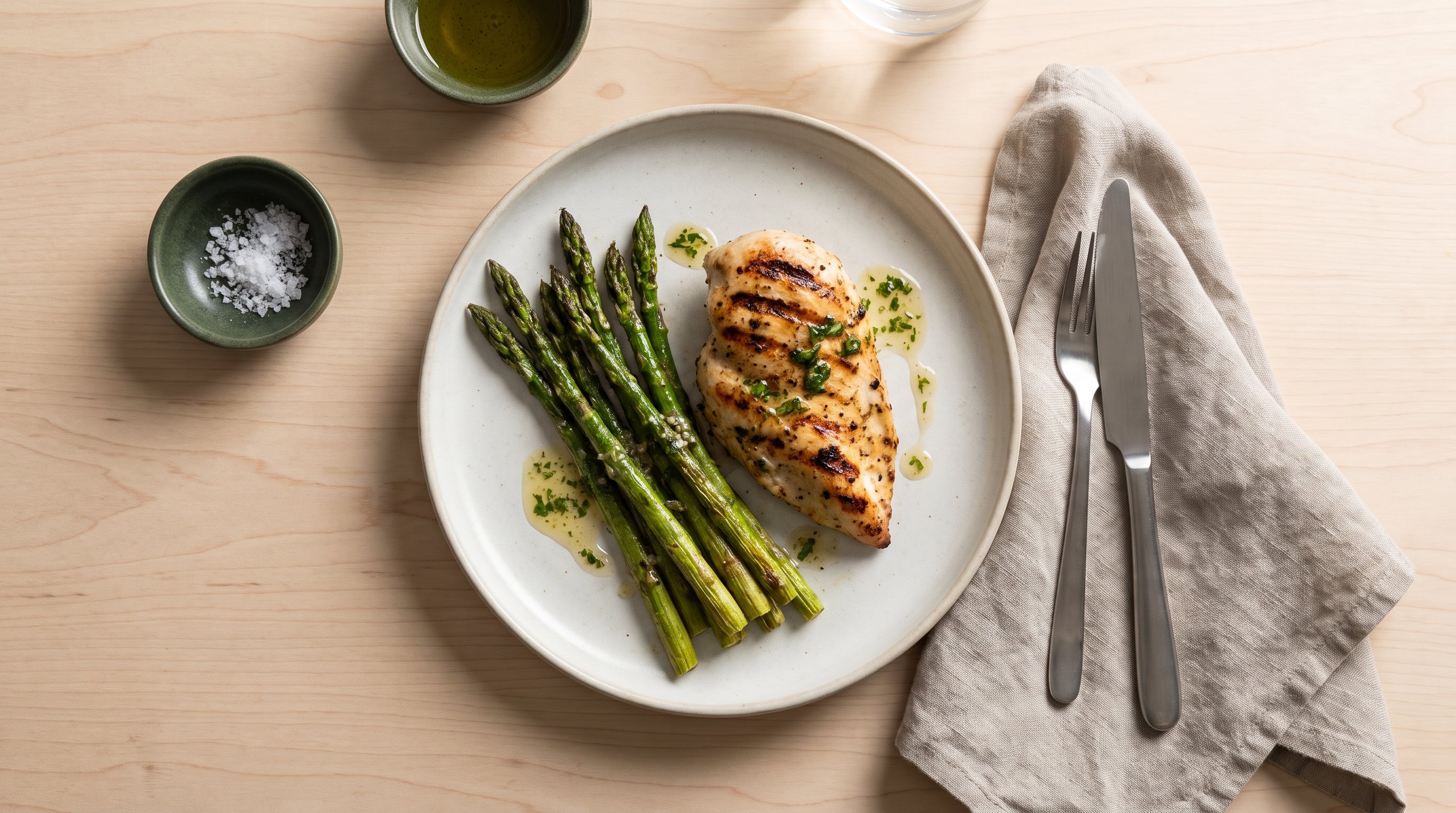
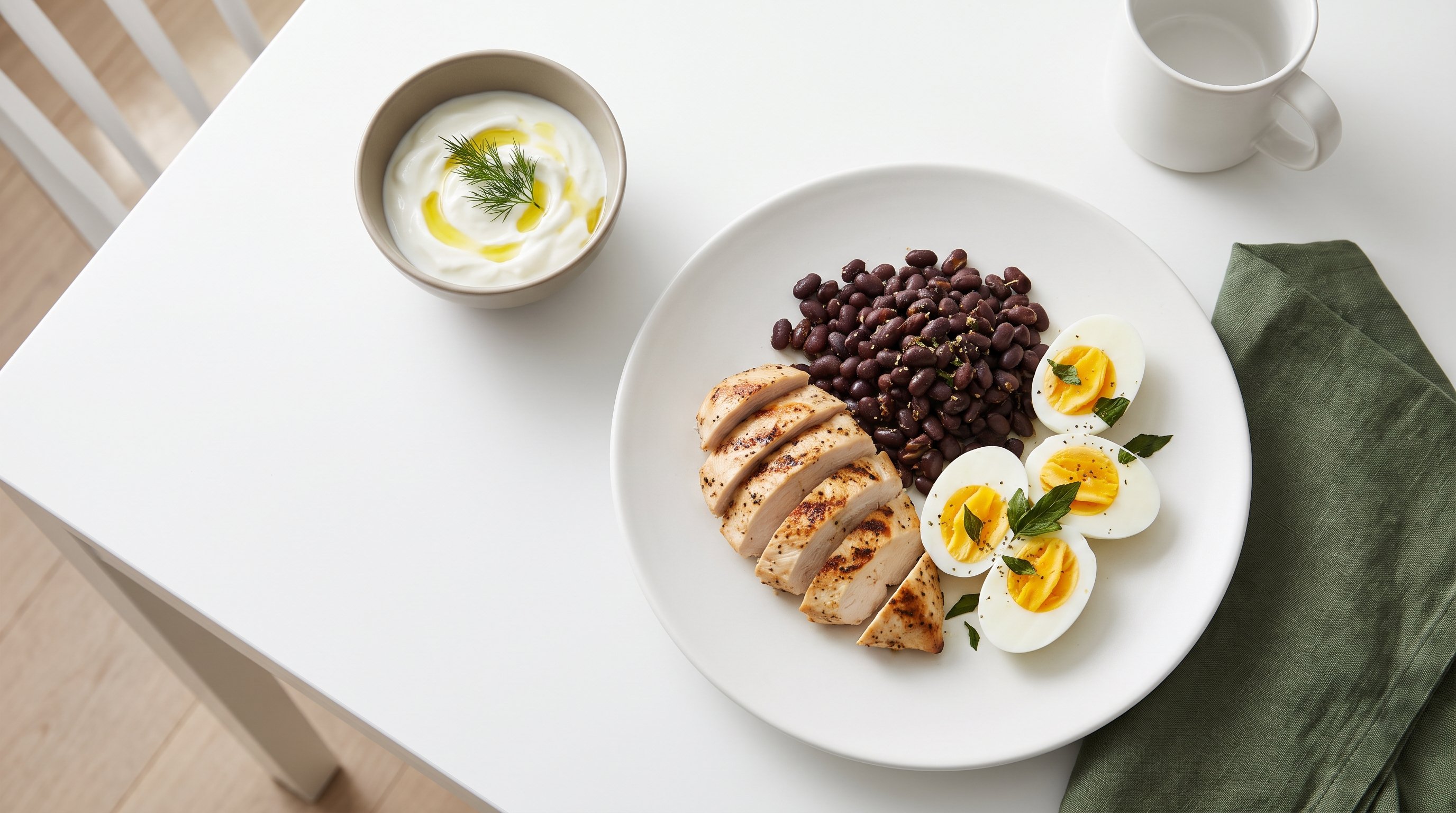
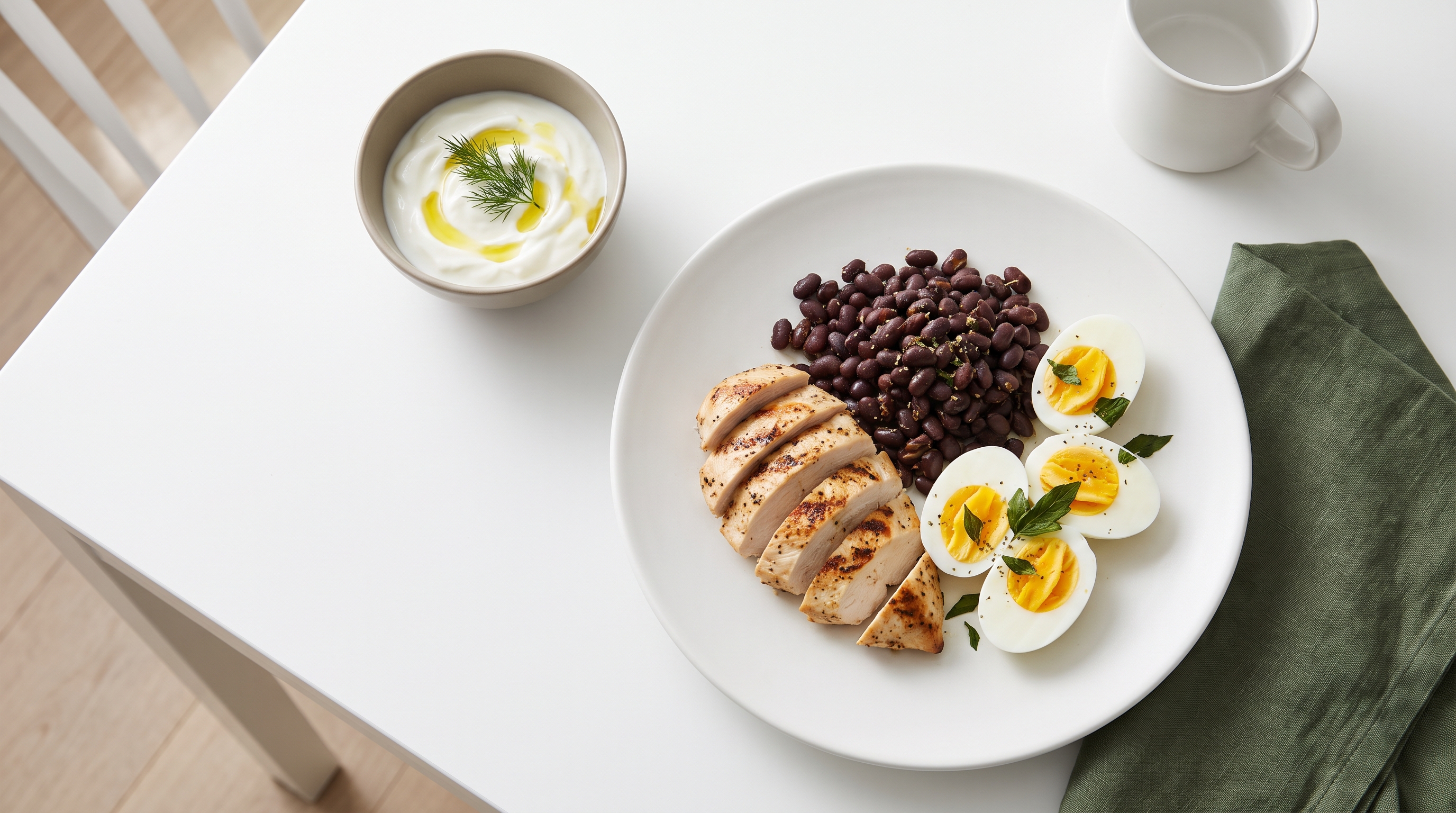
The best protein sources are the ones you'll actually eat on a normal Tuesday - eggs, poultry, fish, beans, yoghurt, tofu, and lean cuts of meat all count, and no single one is magic on its own.
Protein works by helping you hold onto muscle while you're in a calorie deficit and by keeping you fuller for longer, which makes the rest of the plan easier to stick to.
This guide covers what separates a good protein choice from a mediocre one, how to build a day around it, and where most people quietly fall off track.
The Myth That One Protein Food Does the Heavy Lifting
There's no single food - not chicken breast, not a protein shake, not salmon - that does something the others can't.
Protein is protein once it's broken down into amino acids, and your body doesn't treat a bean differently from a steak once digestion is done.
The real answer is variety and consistency: spreading protein across your meals matters more than chasing one supposedly superior source.
How Protein Actually Supports a Calorie Deficit
Protein doesn't burn fat or target any part of the body - nothing you eat does that.
It Keeps You Fuller on Fewer Calories
Protein takes longer to digest than refined carbs, so meals built around it tend to hold off hunger longer, which makes a calorie deficit easier to sit inside without constant snacking.
It Helps Protect Muscle While Weight Comes Off
When you eat less overall, your body can pull energy from both fat and muscle tissue; enough protein in the mix signals your body to preserve muscle instead.
What Separates a Strong Protein Choice From a Weak One
Not every protein source pulls the same weight in a day of eating, and three factors decide which ones are worth building meals around.
What Makes a Protein Source Worth Choosing
- How much protein per calorie - chicken breast, white fish, egg whites and beans give you a lot of protein without dragging in excess calories, which matters most if you're watching a deficit.
- How satisfying it is to eat - a meal you actually enjoy gets repeated; a dry chicken breast you force down twice a week doesn't.
- How easy it is to prepare on a busy day - tinned beans, eggs, yoghurt and pre-cooked chicken take minutes, and the protein source that's quickest to reach for usually wins over the week.
A Day of Meals Built Around Protein
Here's one way a normal day could look if you're spreading protein across meals instead of loading it all into dinner.

| Meal | Example |
|---|---|
| Breakfast | Eggs with spinach, wholegrain toast |
| Lunch | Grilled chicken, mixed beans, salad |
| Snack | Greek yoghurt with berries |
| Dinner | Baked fish, lentils, roasted veg |
None of this needs to be exact - the point is protein showing up at every meal rather than being an afterthought at dinner.
Making Protein Choices Work on a Normal Week
Real weeks involve takeaway nights, early mornings and days where cooking from scratch just isn't happening.
Tinned fish, rotisserie chicken, pre-cooked lentils and protein yoghurt exist for exactly those days, and leaning on them isn't a failure of the plan.
A meal plan built around food you already like makes this far less effortful, and that's the thinking behind Peptide Diet's approach to meals - it fits protein into what you'd eat anyway rather than asking you to overhaul everything at once.
When Better Protein Habits Start to Feel Normal
The first week or two of paying attention to protein usually feels like extra admin - checking labels, planning ahead, noticing gaps.
That friction tends to ease once a handful of go-to meals become familiar rather than something you're figuring out from scratch each time.
Most people quit somewhere around that early adjustment stage, not because the approach failed, but because it still felt like work before it felt like a habit.
Mistakes That Undercut Good Protein Intake
Loading All the Protein Into One Meal
Eating most of your protein at dinner leaves breakfast and lunch doing little work; spreading it across three or four meals keeps you fuller through the whole day.
Relying on One Food and Getting Bored of It
Chicken breast every single day gets old fast and often gets abandoned; rotating between poultry, fish, eggs, beans and yoghurt keeps meals interesting enough to stick with.

Ignoring the Sauces and Sides That Come With It
A lean protein buried under heavy dressing or fried batter loses a lot of what made it a good choice; simple preparation keeps the calorie math sensible.
Treating Protein As the Only Thing That Matters
Protein helps with fullness and muscle, but vegetables, fibre and overall calories still decide the rest of the outcome; it's one part of the plan, not the whole plan.
Building Better Protein Habits With Peptide Diet
Figuring out which protein sources to buy, how to prepare them and how to fit them into a week is where most people lose momentum, not the eating itself.
Peptide Diet pulls that planning into one place with over 1000 recipes built around food you already like, plus progress tracking so you can see water, weight and steps alongside what you're eating instead of guessing.
Maximize Your Peptide Results
Eat Right, Lose Weight Faster
Choosing Protein Sources You Can Stick With
The best protein source isn't the one on a list somewhere - it's the one sitting in your fridge that you'll actually cook tonight.
Pick two or three go-to proteins this week, keep them in rotation, and let Peptide Diet handle the planning around them so the habit has room to settle in.
FAQ
There isn't one single best source - chicken, fish, eggs, beans, tofu and yoghurt all work well because they're high in protein relative to calories. Choosing the ones you'll actually eat consistently matters more than finding a perfect food.
No, whole foods like eggs, chicken, fish, beans and dairy can cover protein needs without any powder. A shake can be convenient on a busy day, but it's not required.
Beans, lentils, tofu and tempeh all provide meaningful protein and can sit comfortably alongside or instead of meat in a meal plan. Eating a mix of plant sources across the day covers the same ground as relying on meat alone.
Keeping a short rotation of easy proteins on hand - eggs, tinned beans, yoghurt, pre-cooked chicken - removes the daily decision-making. Peptide Diet's recipe library builds protein into meals automatically so it stops being something you have to remember.
Share this post