Walking For Weight Loss: The Honest Guide
By:Author:Peptide Diet Editorial
Updated on:October 18, 2026
- A Normal Walking Week Worth Copying
- How Much Walking Actually Moves the Needle
- Why Walking Beats Forcing Yourself to Run
- Making Walking Fit a Week That's Already Full
- Adjusting Walking for Different Starting Points
- When Walking Starts to Show Up on the Scale
- Supporting a Walking Habit With Peptide Diet
- Turning a Daily Walk Into a Lasting Habit
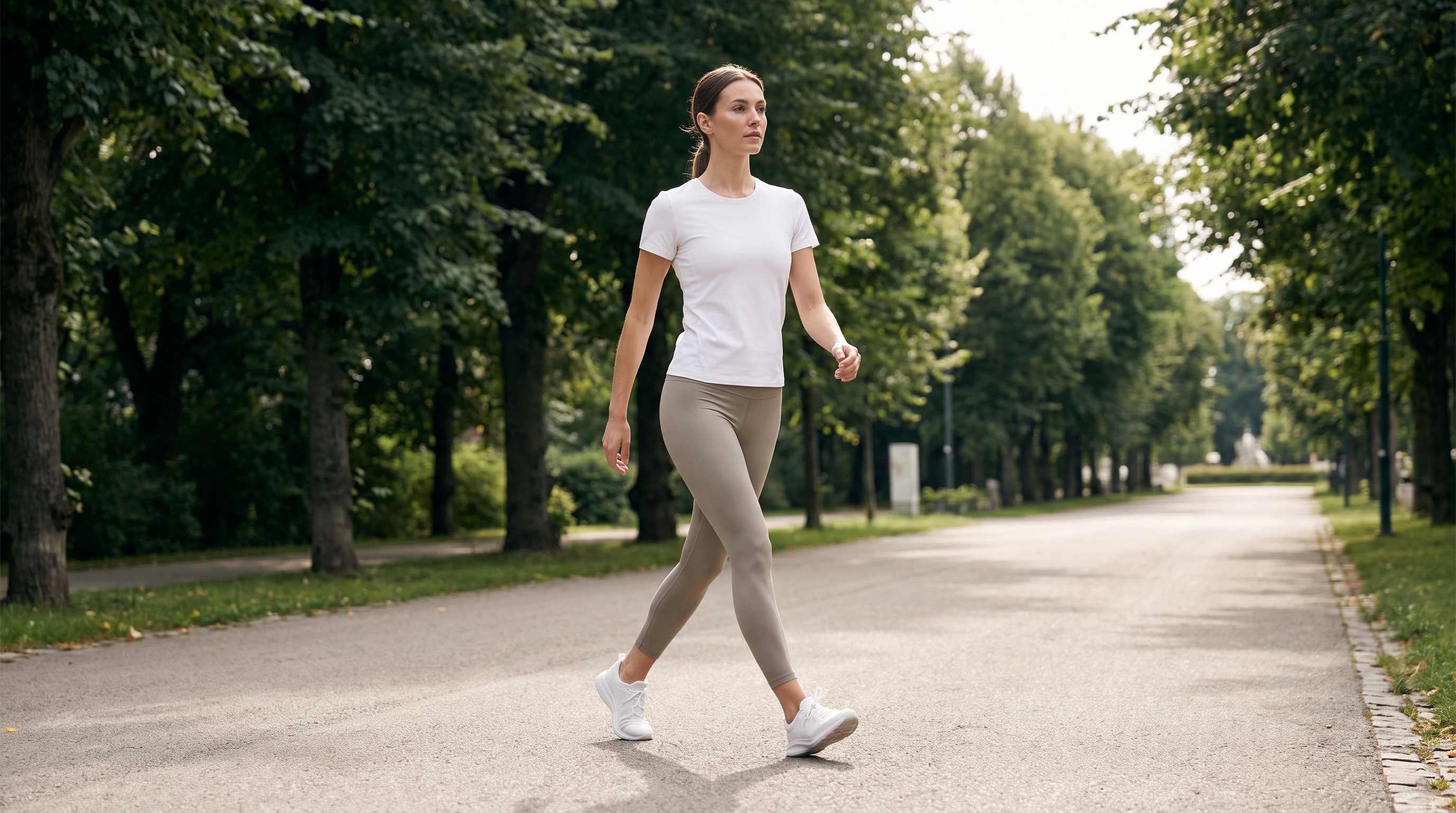
Walking helps with weight loss the same way any movement does: it burns energy, and over time that adds up against what you eat. It won't outrun a poor diet and it won't target any one part of the body, but as a steady habit it's one of the easiest ways to create a gap between calories in and calories out.
The mechanism is simple arithmetic, not magic. Your body spends energy moving its own weight from place to place, and the more consistently you do that, the more that spending adds up across weeks and months.
This guide covers what a realistic walking week looks like, how much is actually useful, why it beats harder alternatives for most people, and how to fit it into a life that doesn't leave much spare time.
A Normal Walking Week Worth Copying
There's no need to overhaul a whole schedule to make walking work. Here's a week that mixes shorter daily walks with a couple of longer ones, built around things most people already do.
A Realistic Walking Week
- Monday - 20-minute walk after dinner
- Tuesday - 10-minute walk at lunch, 10-minute walk in the evening
- Wednesday - 30-minute walk before or after work
- Thursday - 15-minute walk, whenever it fits
- Friday - rest or a short stroll, no pressure
- Saturday - a longer 45-minute walk somewhere pleasant
- Sunday - 20-minute walk to reset before the week starts
None of these walks need to be fast or far. The point is that they happen, most days, without needing a big block of free time or special kit.
How Much Walking Actually Moves the Needle
Finding a Number You Can Hold
More walking means more energy spent, but the useful question isn't the theoretical maximum - it's what you can repeat most days without dreading it. A moderate daily target held for weeks beats an ambitious one you abandon after four days.
| Stage | Daily Walk | Weekly Total |
|---|---|---|
| Just starting | 15-20 minutes | About 2 hours |
| Building habit | 25-30 minutes | About 3 hours |
| Comfortable pace | 35-40 minutes | About 4 hours |
| Established routine | 45-60 minutes | 5-6 hours |
Jumping from the first row to the last in one week is how people end up sore, bored, or both. Moving down one row every week or two keeps it sustainable.
Why Walking Beats Forcing Yourself to Run
Running burns more energy per minute than walking, but that advantage only counts if the run actually happens. Plenty of people who commit to running a few times a week quietly stop within a month because it's uncomfortable, time-pressured, or needs recovery days that eat into the rest of the week.
Walking doesn't ask for that trade-off. You can do it the day after a long walk, in work clothes, without planning around sore knees or finding a changing room.

A smaller amount of energy burned consistently over months outperforms a larger amount burned for three weeks before the habit collapses. That's the entire case for walking over running as a weight-loss tool - not that it's better exercise, but that it's exercise people actually keep doing.
Making Walking Fit a Week That's Already Full
The easiest walks to keep are the ones stitched onto something already on the calendar: a call taken on foot, a walk to pick up lunch, parking further from the entrance. None of these need extra time carved out - they just reroute time already being spent.
Tracking those minutes matters more than it sounds like it should, because what gets measured tends to get repeated. Keeping a simple record of daily steps alongside water and weight - which is what the progress trackers inside Peptide Diet are built for - makes it obvious whether a week's walking actually happened or just felt like it did.
Pairing that with a meal plan built around food you already like takes some of the guesswork out of the other side of the equation, so the walking isn't fighting against a day of random eating.
Adjusting Walking for Different Starting Points
Starting From Very Little Activity
Begin with short walks, even five or ten minutes, and let the duration grow before worrying about pace. The goal early on is simply making the walk a habit that doesn't need willpower to start.
Fitting It Around a Packed Work Schedule
Split the day's walking into two or three short chunks rather than hunting for one long window. Ten minutes before work, ten at lunch and ten after dinner adds up the same as a single half-hour walk.
Walking As You Get Older
Pace matters less than consistency, and a flat, familiar route reduces the chance of a stumble on uneven ground. Shorter, more frequent walks often feel better than one long outing.
Walking With Joint Discomfort
Softer surfaces like grass or a track can feel easier than pavement, and supportive shoes make a noticeable difference. Shortening the walk rather than skipping it keeps the habit alive on harder days.
When Walking Starts to Show Up on the Scale
Early weeks of a new walking habit often feel like nothing is happening, and that's usually the point people quit. Changes from a new habit don't arrive on a fixed schedule, so it helps to judge the habit by whether it's happening consistently, not by what the scale says this particular week.
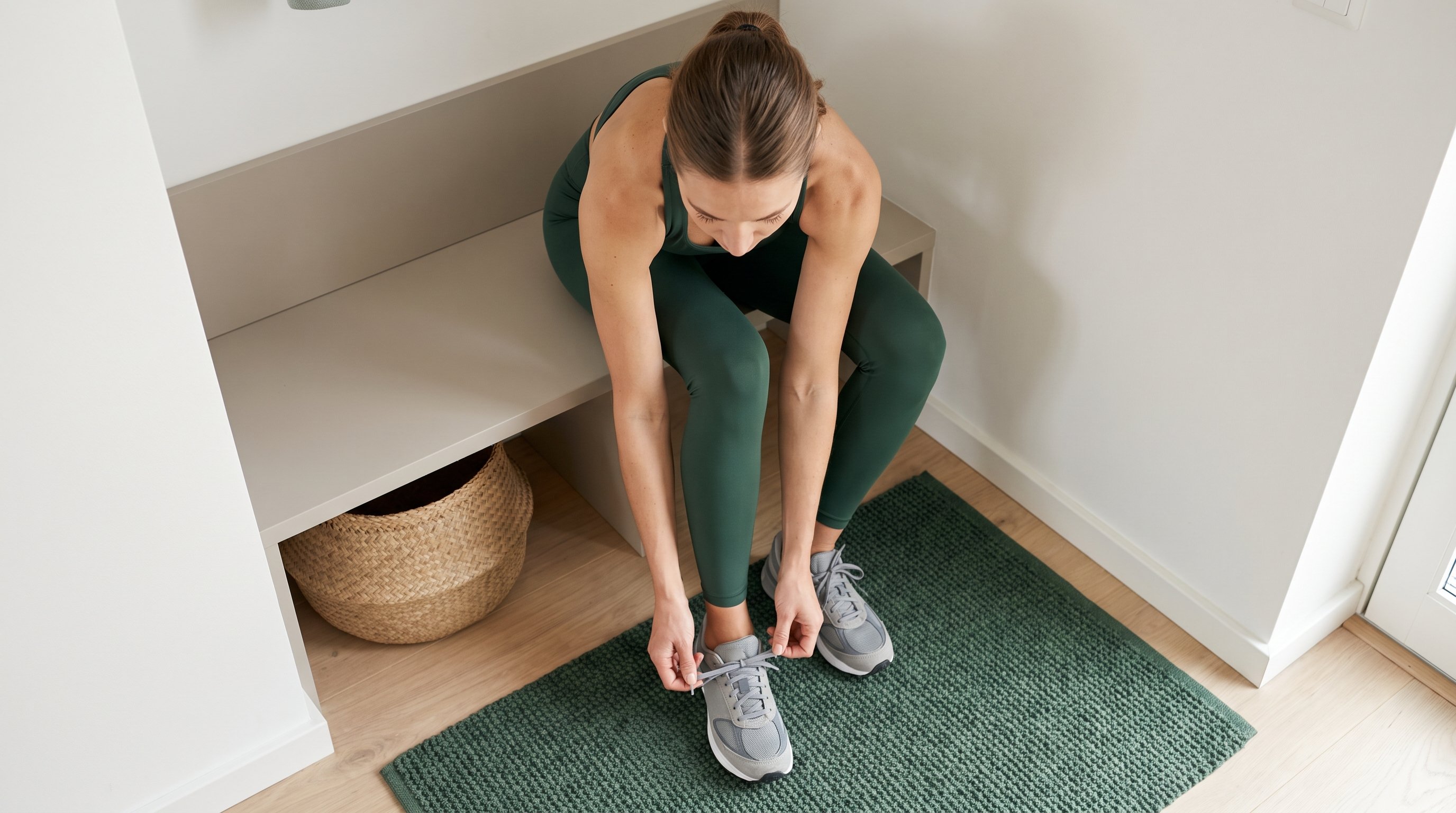
What tends to happen instead is a slow shift - walks that felt effortful start feeling normal, and the habit stops needing to be remembered. That shift is the actual sign of progress, long before anything shows up as a number.
Supporting a Walking Habit With Peptide Diet
Walking does its job best when it's paired with eating that doesn't undo it, and that's the gap most walking advice leaves open. Peptide Diet fills that gap with a plan built around meals you'd actually choose, so the walking isn't working against a day of guesswork at mealtimes.
Alongside the meal side, there are over 100 low-impact workouts and exercises for days when a walk alone isn't quite enough, plus challenges shaped by your own quiz answers to keep the habit interesting rather than repetitive. The step, water and weight trackers sit in the same place, so the whole picture - walking included - stays visible without extra effort.
Maximize Your Peptide Results
Eat Right, Lose Weight Faster
Turning a Daily Walk Into a Lasting Habit
Walking for weight loss works because it's repeatable, not because any single walk is remarkable. Pick a daily length you could realistically keep up on a bad week, start there, and let the rest build slowly.
If eating alongside that habit has felt like the harder half of the equation, Peptide Diet is built to make that side easier too, with recipes and tracking that sit next to the walking rather than separate from it.
FAQ
Walking burns energy, and sustained over weeks that contributes to the deficit needed for weight loss, but it works best alongside eating that supports the same goal. On its own, without any attention to food, the effect is much slower to show.
Walking burns less energy per minute than harder exercise, but it has a much higher chance of actually happening every day, which is what matters over months. A moderate activity done consistently tends to add up to more than an intense one done rarely.
Short walks stacked through the day - ten minutes here, ten minutes there - add up to the same total as one long walk. Attaching a walk to something already happening, like a phone call or a commute, removes the need to find extra time.
Progress from walking is gradual rather than steady, so there are stretches where nothing visible seems to change. Keeping the eating side consistent - something Peptide Diet is built to simplify - tends to matter more at that stage than changing the walk itself.
Share this post