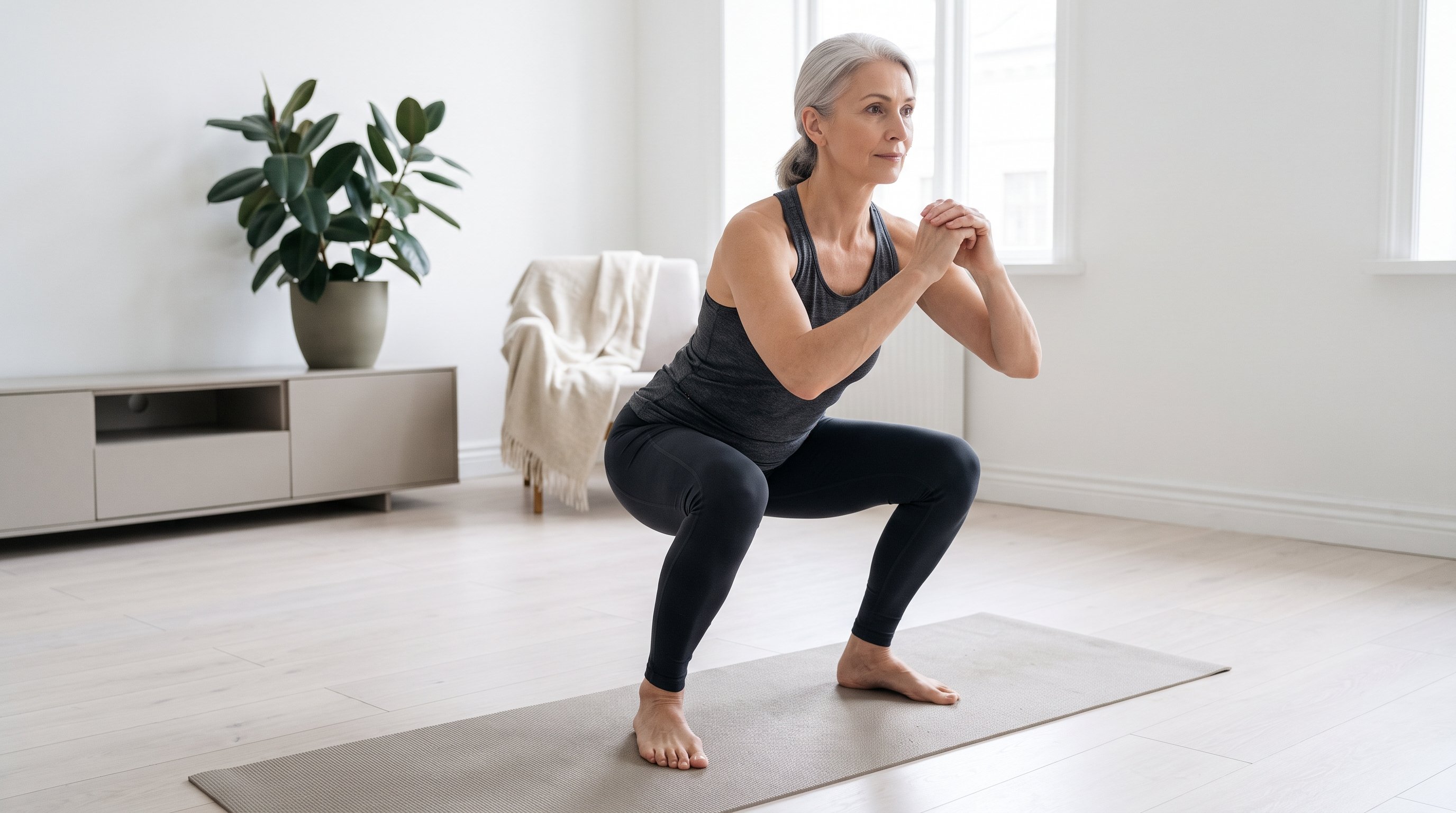
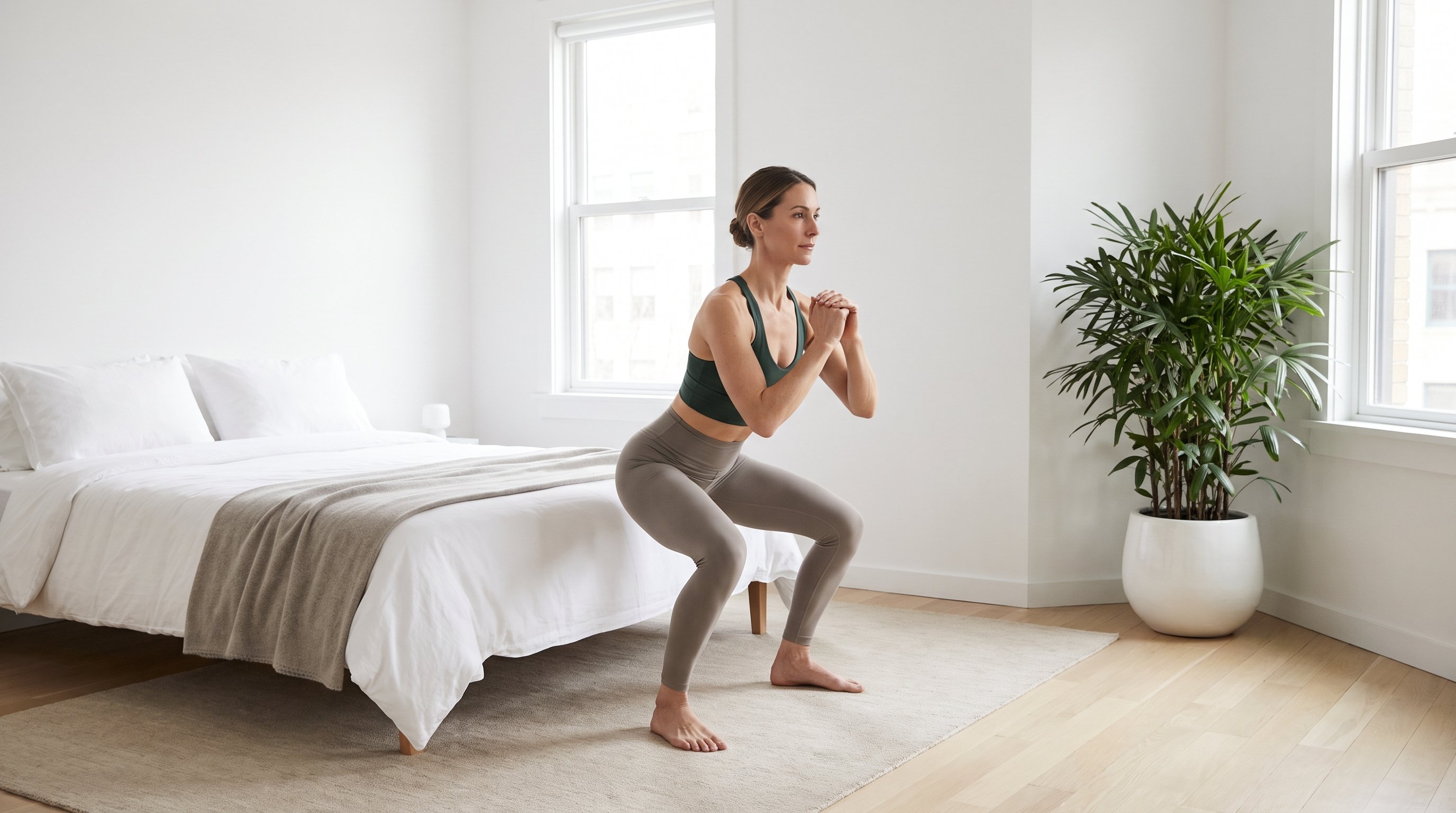
Gentle Exercise: A Realistic Way To Build A Lasting Habit
By:Author:Peptide Diet Editorial
Updated on:October 18, 2026
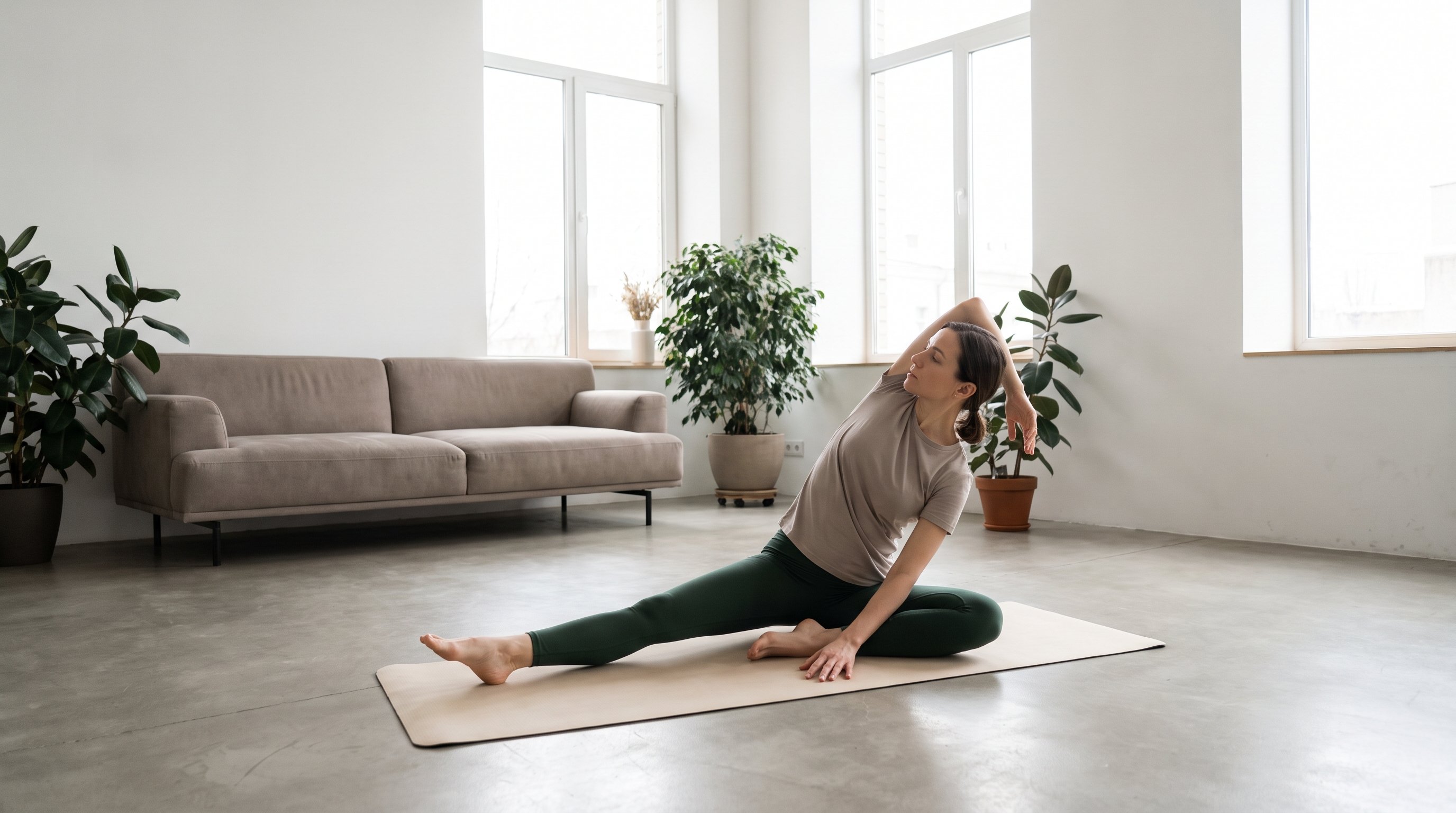
- Does Taking It Easy Still Move the Scale?
- What's Actually Happening When You Move Slowly
- How Often a Low-Intensity Routine Actually Helps
- Easy Movement Versus Forcing a Hard Workout
- Fitting Low-Key Movement Into a Full Calendar
- The Myth That Slow Movement Targets Specific Fat
- What Actually Shifts the Result Over Time
- Where Easy Routines Quietly Go Wrong
- Pairing Low-Impact Movement With Peptide Diet
- Keeping a Slow-And-Steady Routine Going
Short answer: easy, low-intensity movement helps with weight management because it adds to your daily energy burn without wrecking your recovery or your motivation. It doesn't need to hurt to count.
The mechanism is simple arithmetic, not magic. Every bit of movement burns a few more calories than sitting still, and small amounts add up when you repeat them most days of the week.
This article covers whether easy movement actually works, how often to do it, what tends to derail it, and how to fit it into a week that's already full.
Does Taking It Easy Still Move the Scale?
Yes, because weight change comes down to total energy balance, not how hard any single session feels.
A 30-minute easy session might burn somewhere in the range of 100-150 calories depending on body weight and the activity, which looks small on its own.
Do that five times a week and it's 500-750 calories, roughly the same ballpark as skipping a couple of sugary drinks or one takeaway meal across the week.
The honest caveat is that food choices usually move the number faster than movement does, so the two work best together rather than one carrying all the weight.
What's Actually Happening When You Move Slowly
Low-intensity movement works through two separate channels, and it helps to see them as distinct rather than lumped together.
The Calorie Side
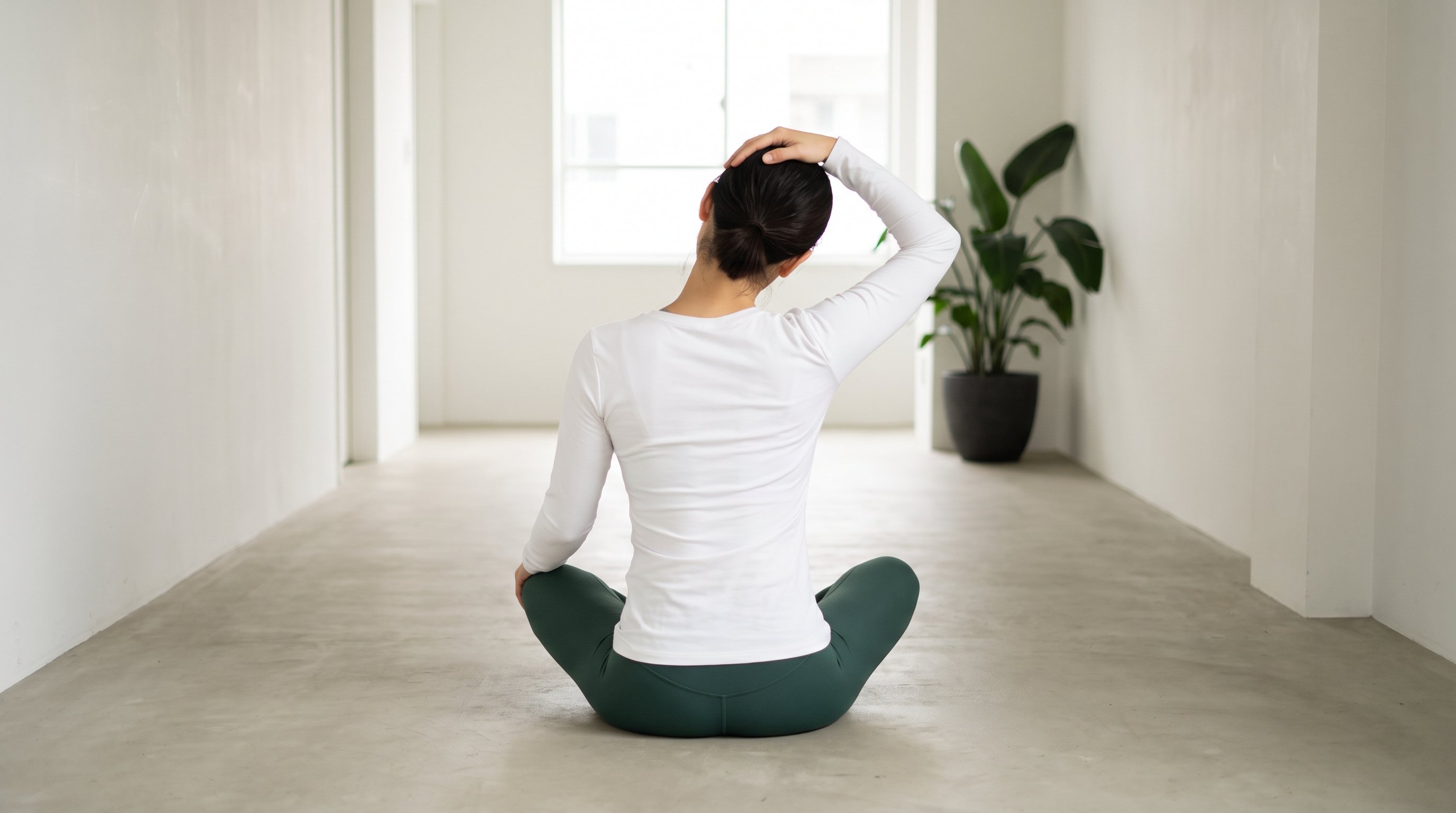
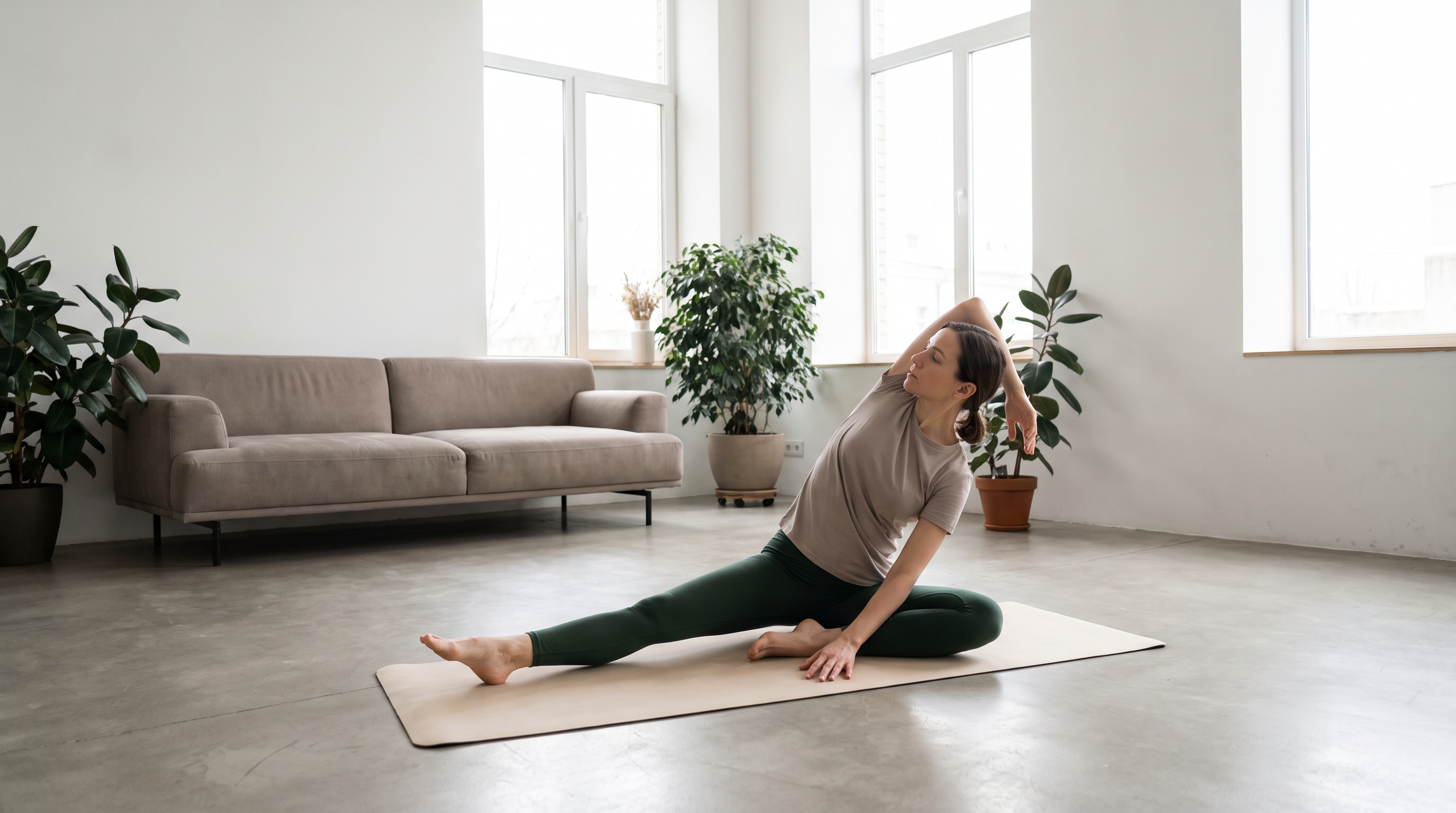
Any movement above resting level burns extra calories, and the body doesn't care whether that movement came from a walk, a stretch routine or light yoga.
The Consistency Side
Because it's easy on the joints and the nervous system, you can do it again tomorrow without needing a rest day, which is where the real weekly total comes from.
Neither channel is dramatic on its own, but together they're the reason low-intensity routines tend to outlast harder ones over a full month.
How Often a Low-Intensity Routine Actually Helps
There's no single magic number, but a useful starting point is most days of the week in sessions short enough that you'd never dread them.
Building Up Without Overthinking It
Start with whatever feels sustainable this week, then add a few minutes or one extra day once it stops feeling like an event.
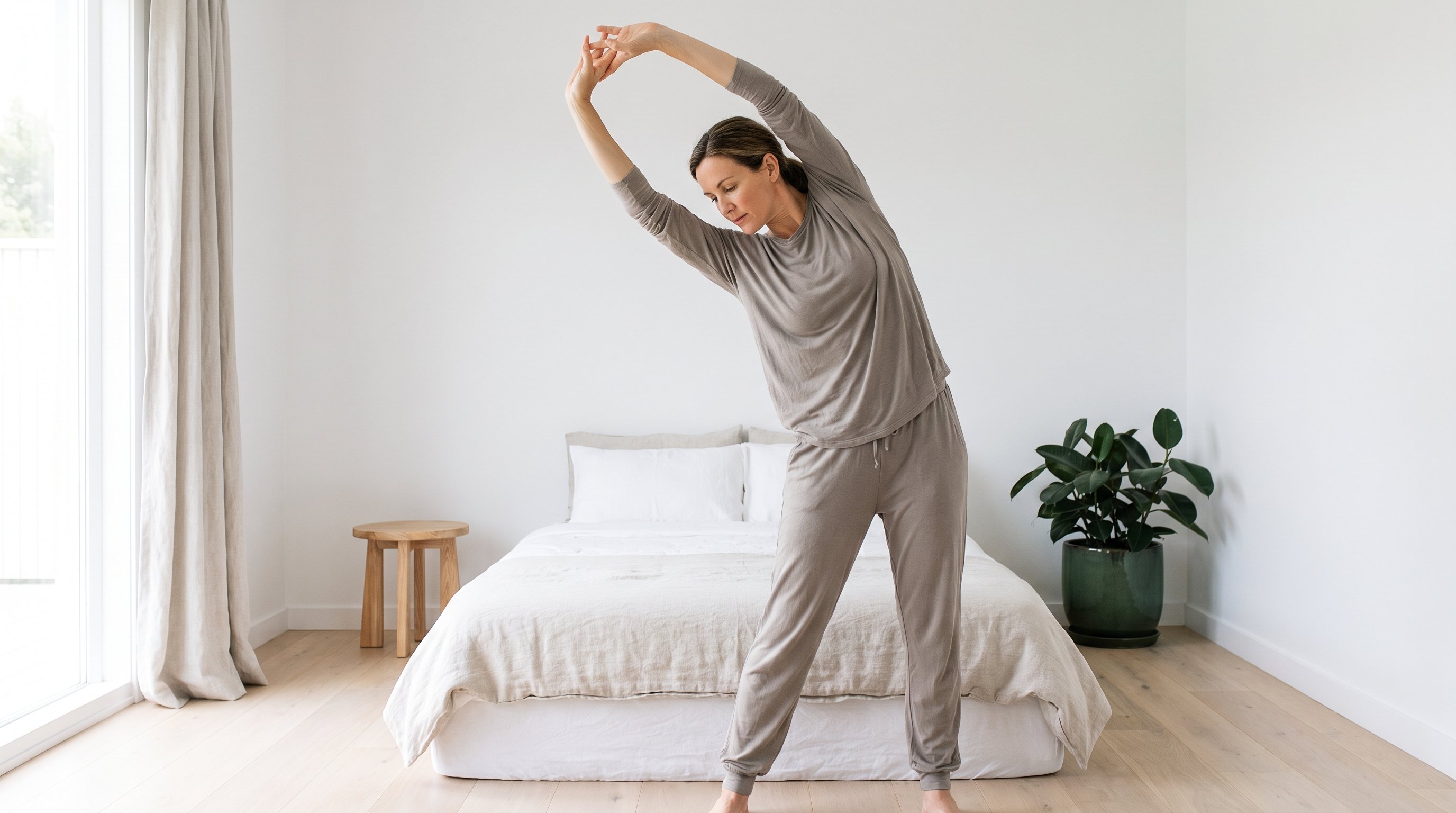
| Stage | Days Per Week | Session Length |
|---|---|---|
| Week 1 | 3 days | 10-15 minutes |
| Week 2 | 4 days | 15-20 minutes |
| Week 3 | 5 days | 20 minutes |
| Week 4 | 5-6 days | 20-30 minutes |
Easy Movement Versus Forcing a Hard Workout
Picture two routines: a daily 20-minute stretch-and-walk combo versus a punishing interval session three times a week that leaves you sore for two days after.
The interval sessions burn more calories per minute, but soreness and dread cut into how many times you actually show up.
If the harder plan gets done twice before it's abandoned, its real weekly total is zero on the missed weeks.
The easier routine, done five or six times without drama, usually wins over a month simply because it keeps happening.
Fitting Low-Key Movement Into a Full Calendar
Most weeks don't have a spare hour sitting around waiting to be filled, so low-key movement has to slot into what already exists - a lunch break, the time before dinner, or while something's on in the background.
It doesn't need its own slot on the calendar; it can ride along with something you're already doing.
Low-impact workouts and tracking tools make it easier to see where a short session actually fits, without needing to rearrange the whole day around it.
The Myth That Slow Movement Targets Specific Fat
No routine, gentle or hard, lets you choose where weight comes off first - the body decides that on its own, and no amount of targeted stretching or toning changes the order.
That's just how fat distribution works; it responds to the body as a whole, not to the specific muscle underneath it.
The real answer is to keep the overall habit going and let the body do what it does, rather than chasing one area with one exercise.
What Actually Shifts the Result Over Time
Three things matter more than the exact routine you pick.
The Biggest Levers
- How many days you actually show up - five short sessions beat one long one that only happens occasionally.
- What's on the plate alongside it - movement and food work together, and neither covers for the other on its own.
- Whether sessions stay short enough to repeat - if it feels like a chore, the habit usually breaks within a few weeks.
Where Easy Routines Quietly Go Wrong
Treating Rest Days As Failures
Missing a day isn't the end of the habit - picking it back up the next day is what actually matters.
Starting Too Big, Too Soon
Jumping straight to 45 minutes daily often backfires; shorter sessions that actually happen beat ambitious ones that get skipped.
Ignoring What's on the Plate
Movement without any attention to food choices tends to stall faster, since the calorie side of the equation is only half the picture.
Waiting for Motivation Instead of a Schedule
Relying on feeling like it rarely lasts; picking a fixed time of day removes the decision entirely.
Pairing Low-Impact Movement With Peptide Diet
Keeping a routine going is easier when it's not the only thing you're managing on your own.
Peptide Diet brings together low-impact workouts, a meal plan built around food you already like, and progress tracking for steps, water and weight in one place, so the movement side doesn't have to be figured out from scratch.
Having the workouts, the meal planning and the tracker in one app removes a lot of the guesswork that usually causes people to quit in week two.
Maximize Your Peptide Results
Eat Right, Lose Weight Faster
Keeping a Slow-And-Steady Routine Going
Pick one small, repeatable session for tomorrow - ten minutes of stretching or a short walk counts - and do it at roughly the same time each day.
A program that tracks movement alongside meals and progress helps hold that routine together, so it doesn't rely on memory or motivation alone.
FAQ
It can contribute to the calorie side of the equation, but it usually works best alongside attention to food choices rather than carrying the whole effort on its own.
The individual session is small, but repeated most days it adds up to a meaningful weekly total, and it's far more likely to actually happen than a punishing routine.
Ten minutes attached to something already in the day, like before breakfast or after work, is enough to keep the habit alive even on a packed week.
Peptide Diet pairs low-impact workouts with meal plans and a progress tracker, so the movement habit sits alongside everything else instead of being one more thing to manage separately.
Share this post