Leg Workout at Home: A Simple Routine That Sticks
By:Author:Peptide Diet Editorial
Updated on:October 18, 2026
- A Week of Home Leg Training Worth Copying
- How Many Sets and Reps Actually Help
- Why Bodyweight Training Beats Forcing a Gym Habit
- Making Leg Day Work Around a Normal Week
- Who This Leg Routine Suits and How to Adjust It
- When a Home Leg Routine Starts Feeling Easier
- Supporting a Home Leg Workout Routine With Peptide Diet
- Keeping a Home Leg Habit Going Long Term
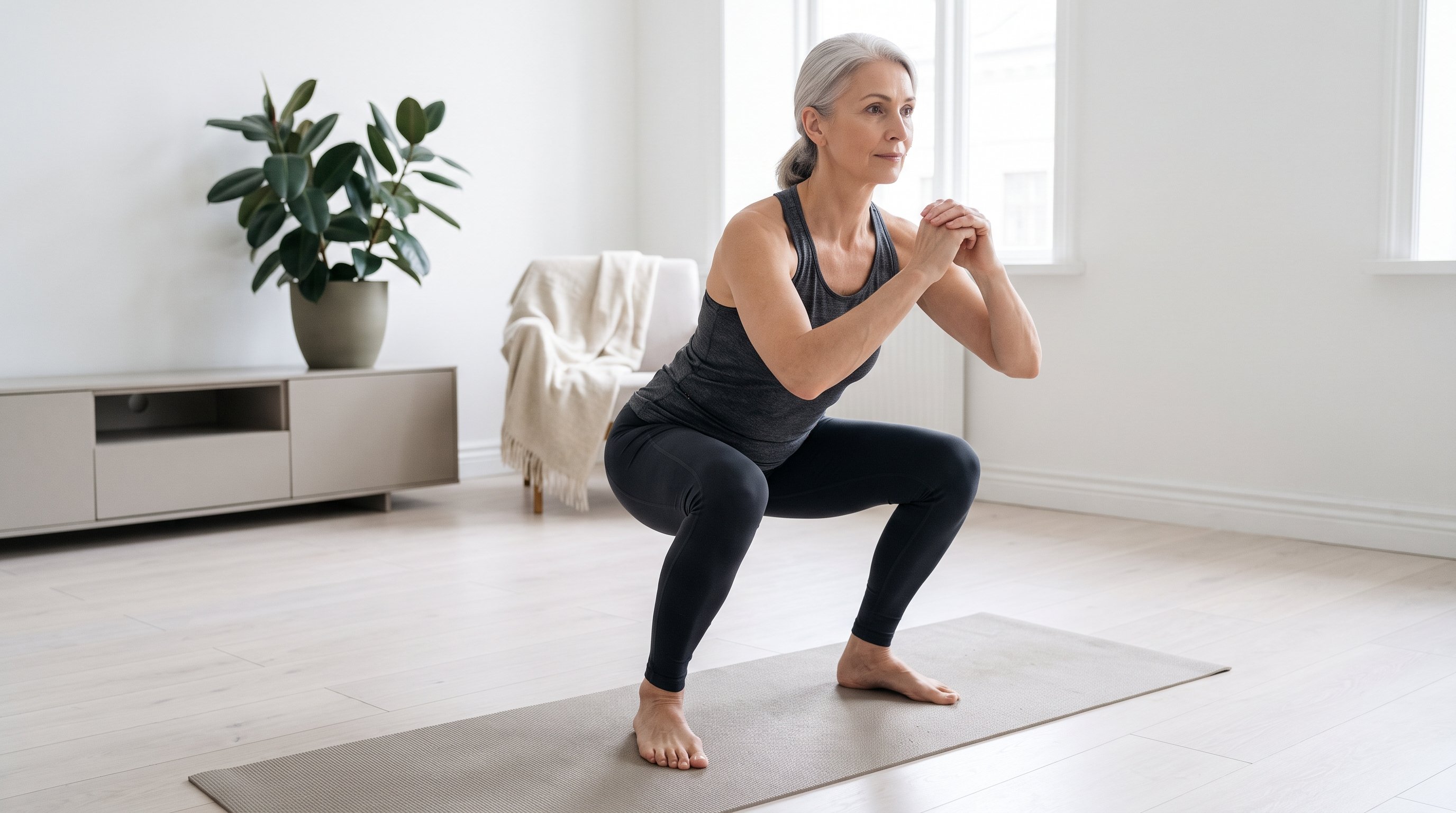
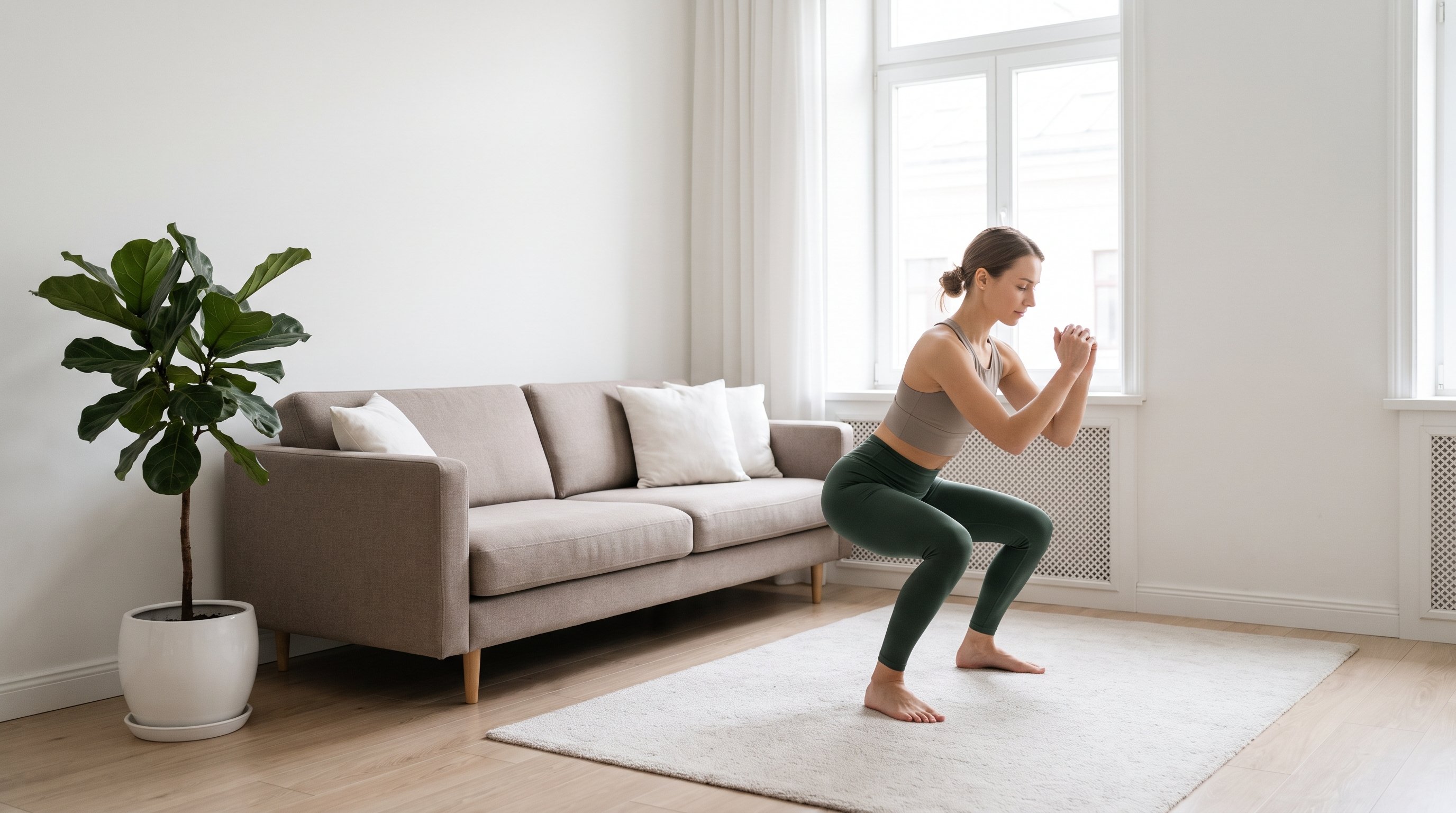
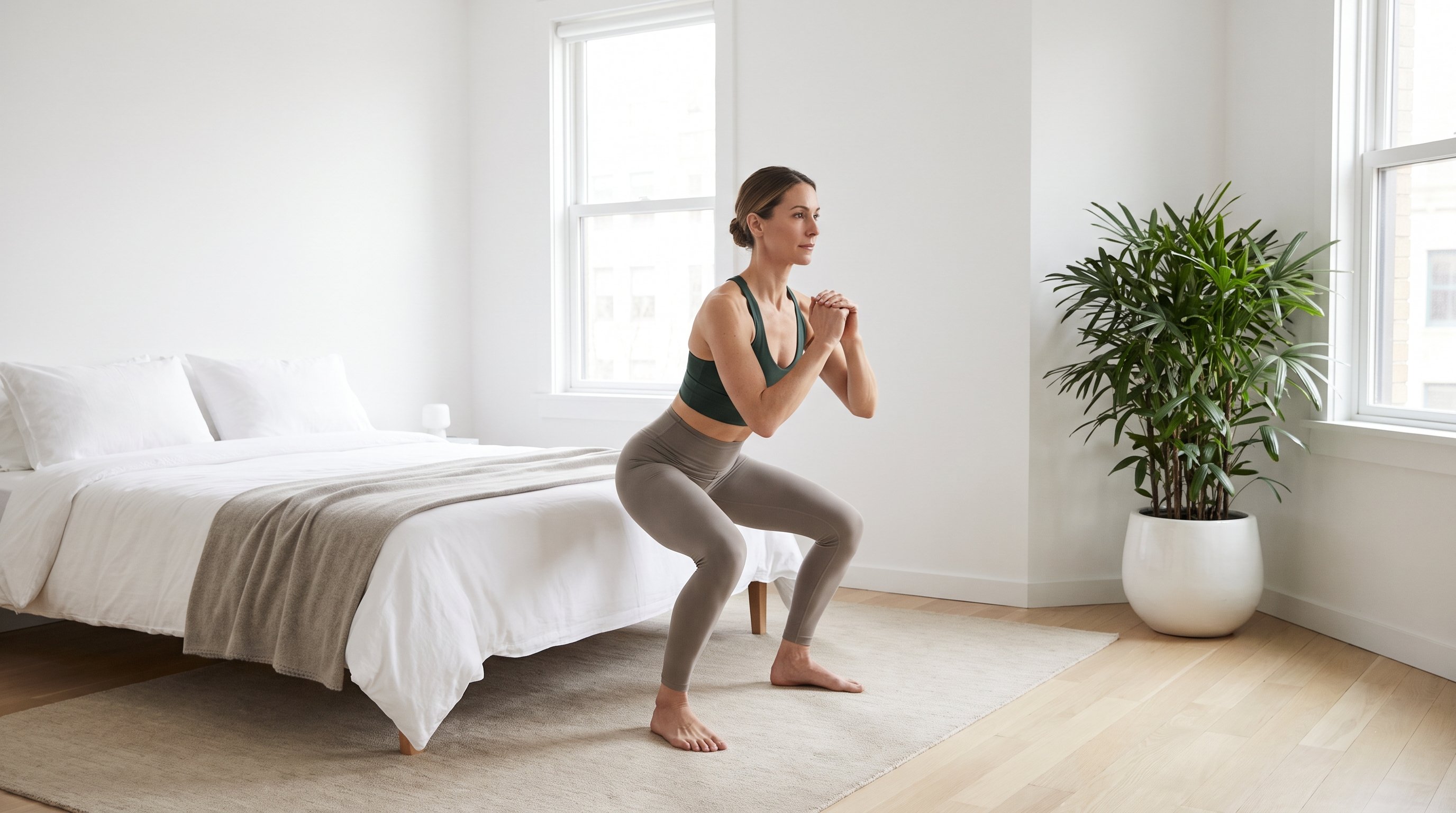
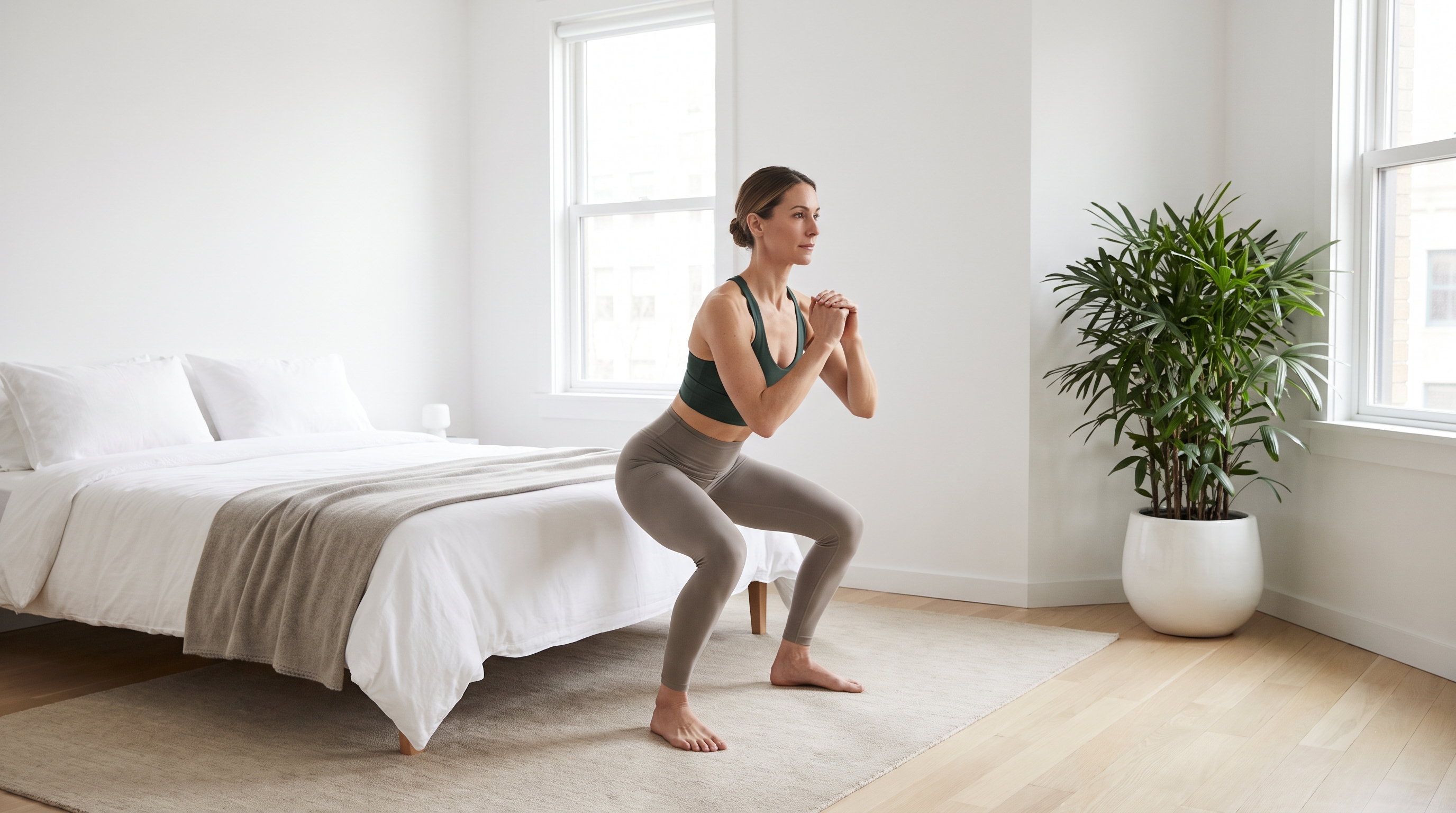
A leg workout at home works because the muscles in your legs respond to effort and repetition, not to the postcode of the room you're standing in. Bodyweight squats, lunges and step-ups load the same muscles a gym machine does, just with your own weight as resistance.
The mechanism is simple: push a muscle group past its comfort zone often enough and it adapts by getting stronger. A gym adds external weight to speed that up, but space, time and floor area can do the same job at a slower, steadier pace.
This guide covers what a week of home leg training can look like, how often to actually train, why the simpler option tends to win long term, and how to fit it around a normal life.
A Week of Home Leg Training Worth Copying
There's no single correct way to structure a week, but a pattern that mixes training days with rest days tends to hold up better than training legs every single day.
A Sample Week
- Monday - squats, lunges and glute bridges, three rounds
- Tuesday - rest or a short walk
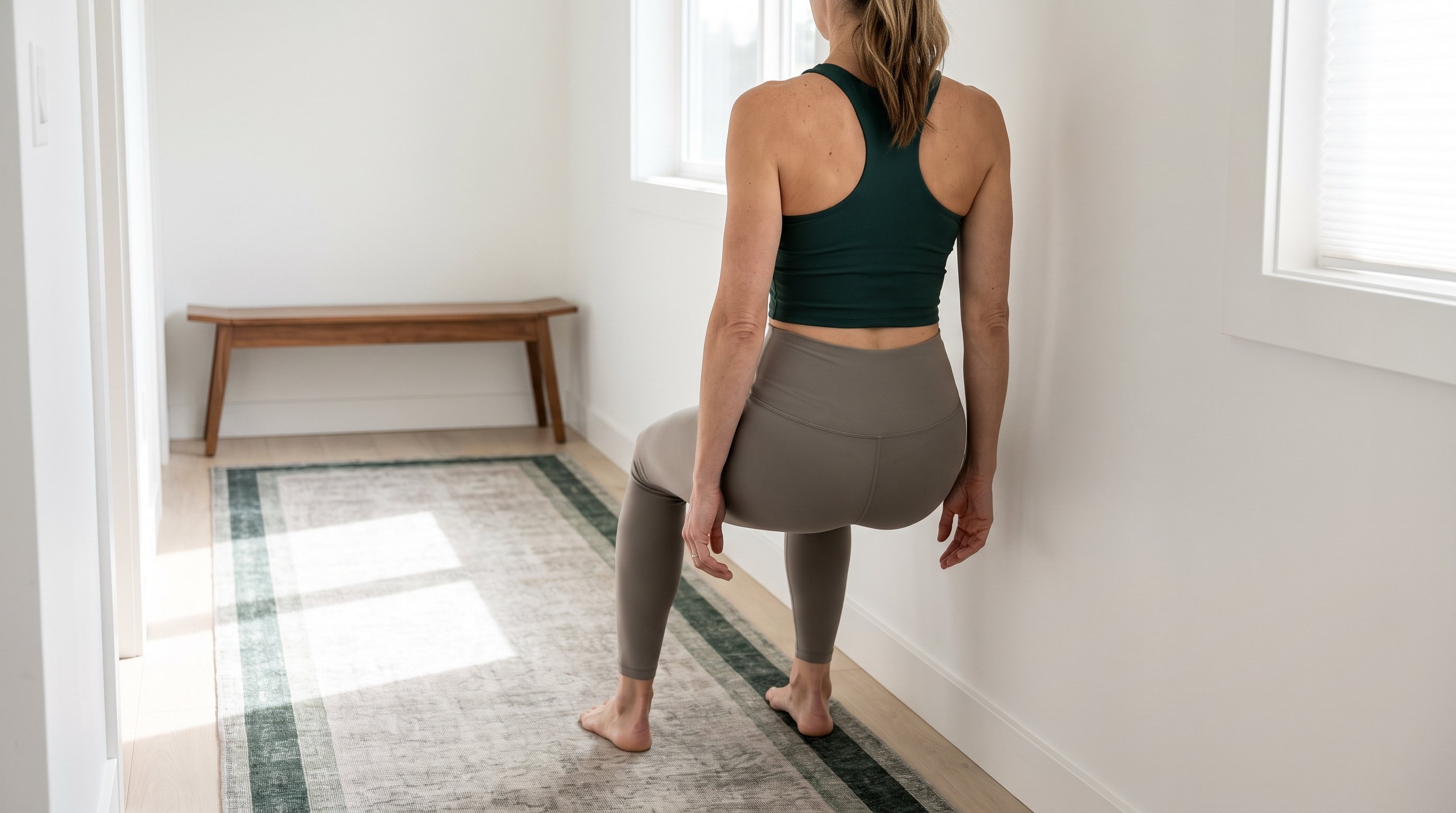
- Wednesday - step-ups, wall sits and calf raises, three rounds
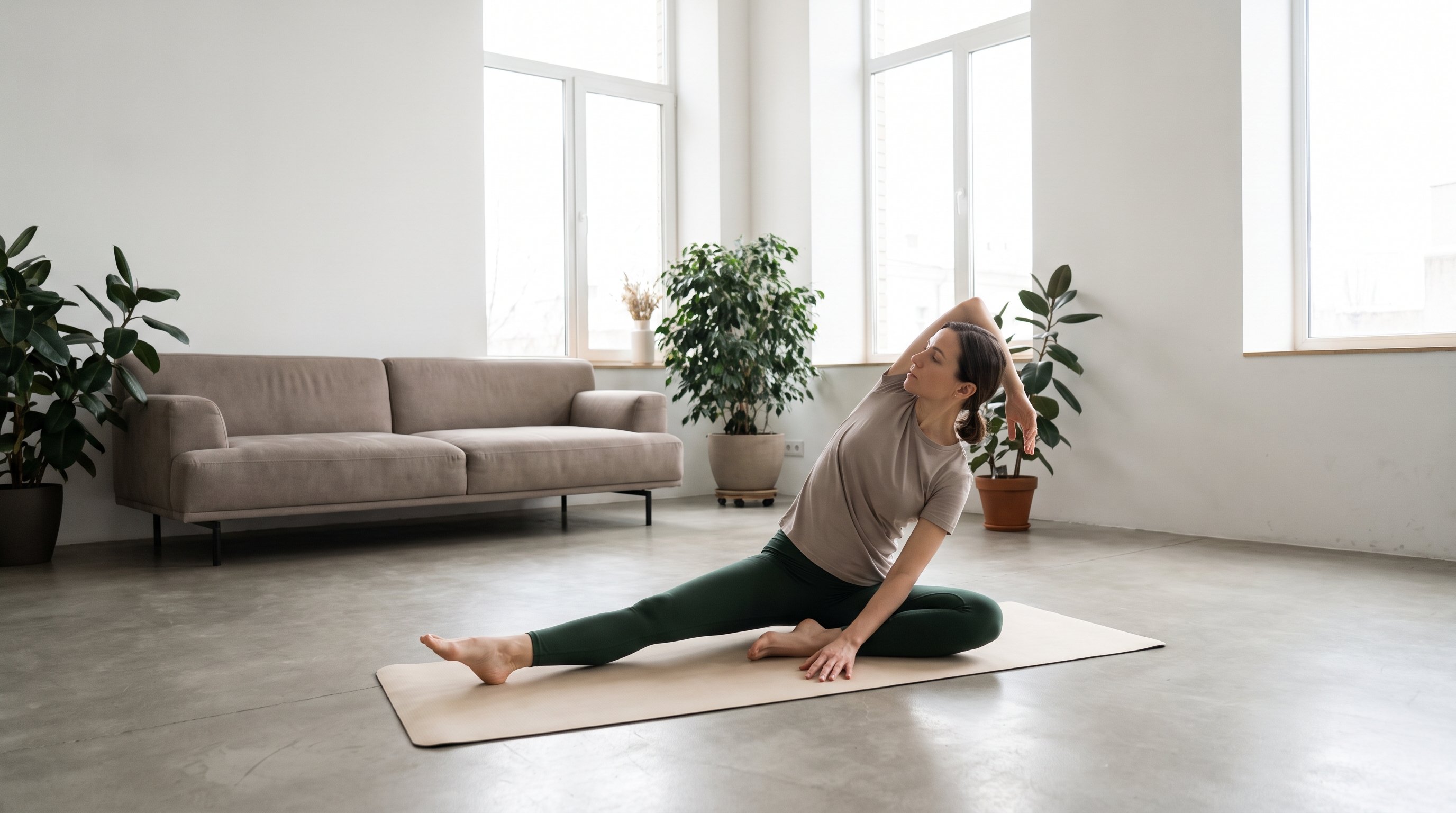
- Thursday - rest or gentle stretching
- Friday - squats, lunges and glute bridges again, three rounds
- Weekend - rest, or light movement like walking
That's two or three real training days a week, with rest days doing their own quiet work by letting muscle recover and adapt.
How Many Sets and Reps Actually Help
Finding a Number That Fits You
A useful starting point is enough reps that the last few feel genuinely hard, without the form falling apart.
| Move | Sets | Reps |
|---|---|---|
| Bodyweight squats | 3 | 10-15 |
| Lunges (each leg) | 3 | 8-12 |
| Glute bridges | 3 | 12-15 |
| Step-ups (each leg) | 2-3 | 10-12 |
| Wall sits | 2-3 | 20-40 seconds |
Two to three sessions a week covering these moves is enough to keep legs working without needing a single piece of equipment.
Why Bodyweight Training Beats Forcing a Gym Habit
A gym membership works brilliantly for the people who actually go. The problem is the gap between joining and showing up on a wet Tuesday after work.
A home leg workout removes the travel time, the changing rooms and the mental hurdle of walking in. Fewer steps between deciding to train and actually training means more sessions get done, and more sessions done is what makes a difference, not which sessions were theoretically the hardest.
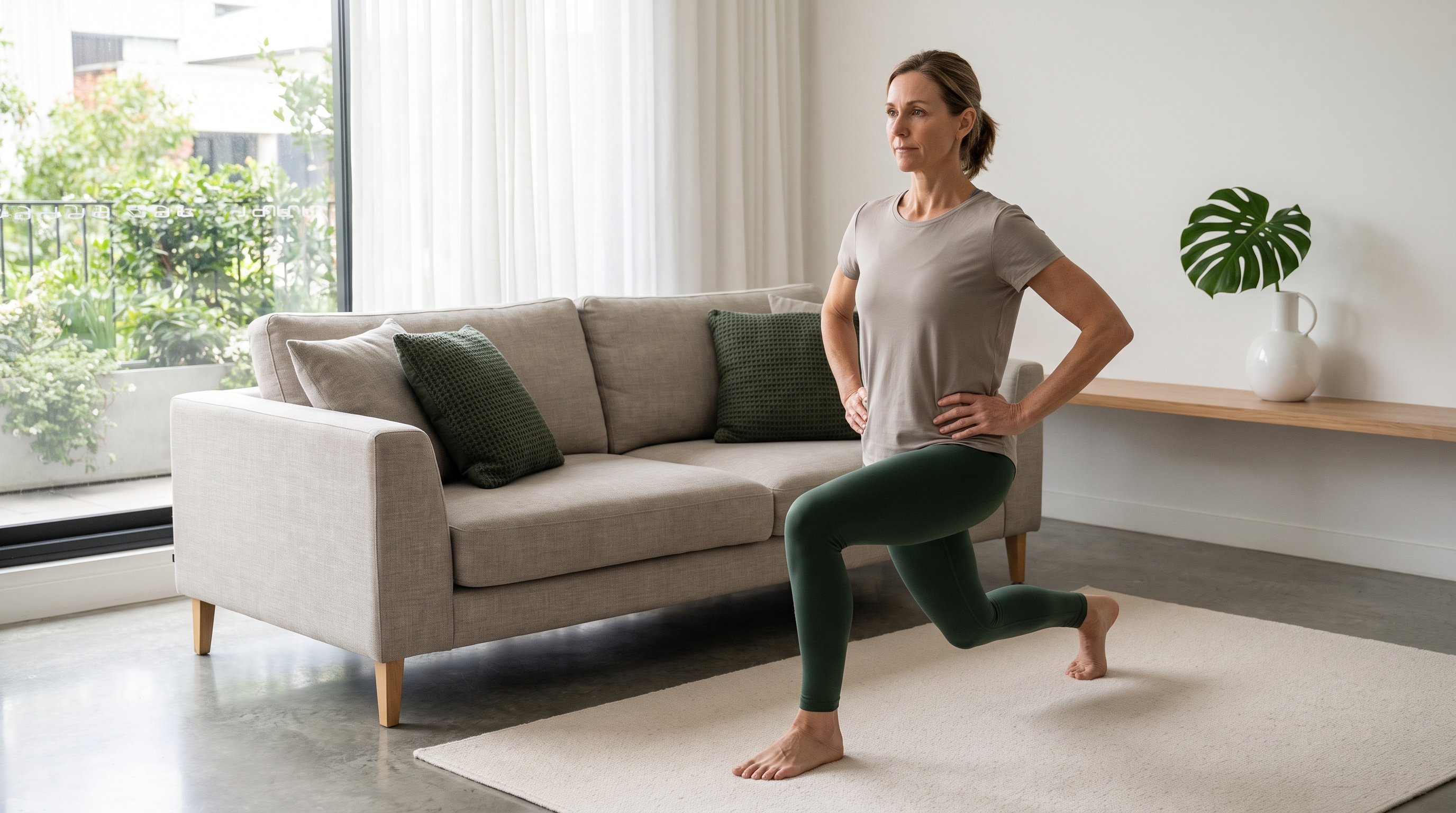
Consistency beats intensity almost every time. A simple squat done three times a week for months will outperform an ambitious gym plan done twice before it's abandoned.
Making Leg Day Work Around a Normal Week
Most weeks don't leave a tidy hour free for exercise, so a home leg routine needs to slot into whatever gaps actually exist.
Ten minutes before the morning shower, during a show's ad break, or right after getting home from work all work the same muscles. Doing the routine does not require a dedicated gym bag, a drive, or a locker.
Peptide Diet's library of low-impact workouts and exercises is built for exactly this kind of schedule, with simple routines that don't need equipment or a gym booking.
For anyone trying to build a habit rather than chase a single hard session, that flexibility tends to matter more than the workout itself.
Who This Leg Routine Suits and How to Adjust It
Starting From Zero
Begin with fewer reps and bodyweight-only moves like squats and bridges, and treat good form as the goal rather than speed.
Short on Time
Two sessions a week of ten focused minutes beats a plan that needs an hour nobody has, so keep the list of moves short and non-negotiable.
Older or Returning After a Break
Wall sits, step-ups and seated-to-standing movements build the same strength with less strain on joints, and rest days matter more here, not less.
Already Fairly Active
Add pauses at the bottom of a squat or slow the lowering phase of a lunge to make the same moves harder without adding equipment.
When a Home Leg Routine Starts Feeling Easier
The honest answer is that timing varies a lot from person to person, so it's worth being vague rather than promising a date on a calendar.
What tends to happen first is the routine itself feels less awkward. The moves start feeling familiar before any visible change shows up, and that's usually the point where people either keep going or quietly stop.
The weeks right after the first burst of motivation fades are where most routines get abandoned, not because the exercise stopped working, but because life got busy and the habit hadn't been built yet.
Supporting a Home Leg Workout Routine With Peptide Diet
A leg workout doesn't exist in isolation. What's eaten, how much water gets drunk and whether progress gets tracked all shape whether the routine sticks past the first fortnight.
Peptide Diet brings those pieces together in one place: a meal plan built around food you already like, more than 100 workouts and exercises to rotate through, and progress trackers for steps, water and weight so changes don't go unnoticed.
The challenges inside the app are tailored to quiz answers, which means the plan adjusts to a starting point rather than assuming everyone begins in the same place.
Maximize Your Peptide Results
Eat Right, Lose Weight Faster
Keeping a Home Leg Habit Going Long Term
A home leg workout is one of the simplest routines to keep going because it asks so little of the environment around it, just floor space and a few free minutes.
The practical next step is picking three days this week and writing them down somewhere visible, then doing the short squat-and-lunge routine above without overthinking it. Peptide Diet can sit alongside that habit, keeping meals, movement and progress tracking in one place so the routine doesn't have to carry the whole plan alone.
FAQ
Yes, bodyweight moves like squats and lunges load the same muscles a weighted exercise does, just with your own bodyweight providing the resistance. Progress comes from adding reps, slowing the movement, or adjusting the angle rather than adding external weight.
A gym offers more equipment, but equipment only helps if the session actually happens. A home routine done consistently will outperform a gym plan that gets skipped more often than it gets done.
Most of these moves need about a metre of floor space, roughly the size of a yoga mat. Squats, lunges, glute bridges and wall sits can all be done in a small living room corner.
That drop is normal and it's usually where routines get abandoned rather than where the exercise stops working. Keeping sessions short, tracking them inside something like Peptide Diet, and sticking to the same two or three days each week makes it easier to push through that stretch.
Share this post