Morning Stretches: A Simple Way to Start the Day
By:Author:Peptide Diet Editorial
Updated on:October 18, 2026
- What a Few Minutes of Gentle Movement Does for You
- Gentle Movement or Going Straight Into a Workout
- Why a Short Routine Beats Skipping Movement Altogether
- Adjusting a Morning Routine to Fit Your Situation
- Making Room for It on a Normal Weekday
- Can Stretching Target Where You Want to Lose Weight?
- Building a Routine Around Peptide Diet's Low-Impact Options
- Keeping a Morning Habit Going Past the First Week
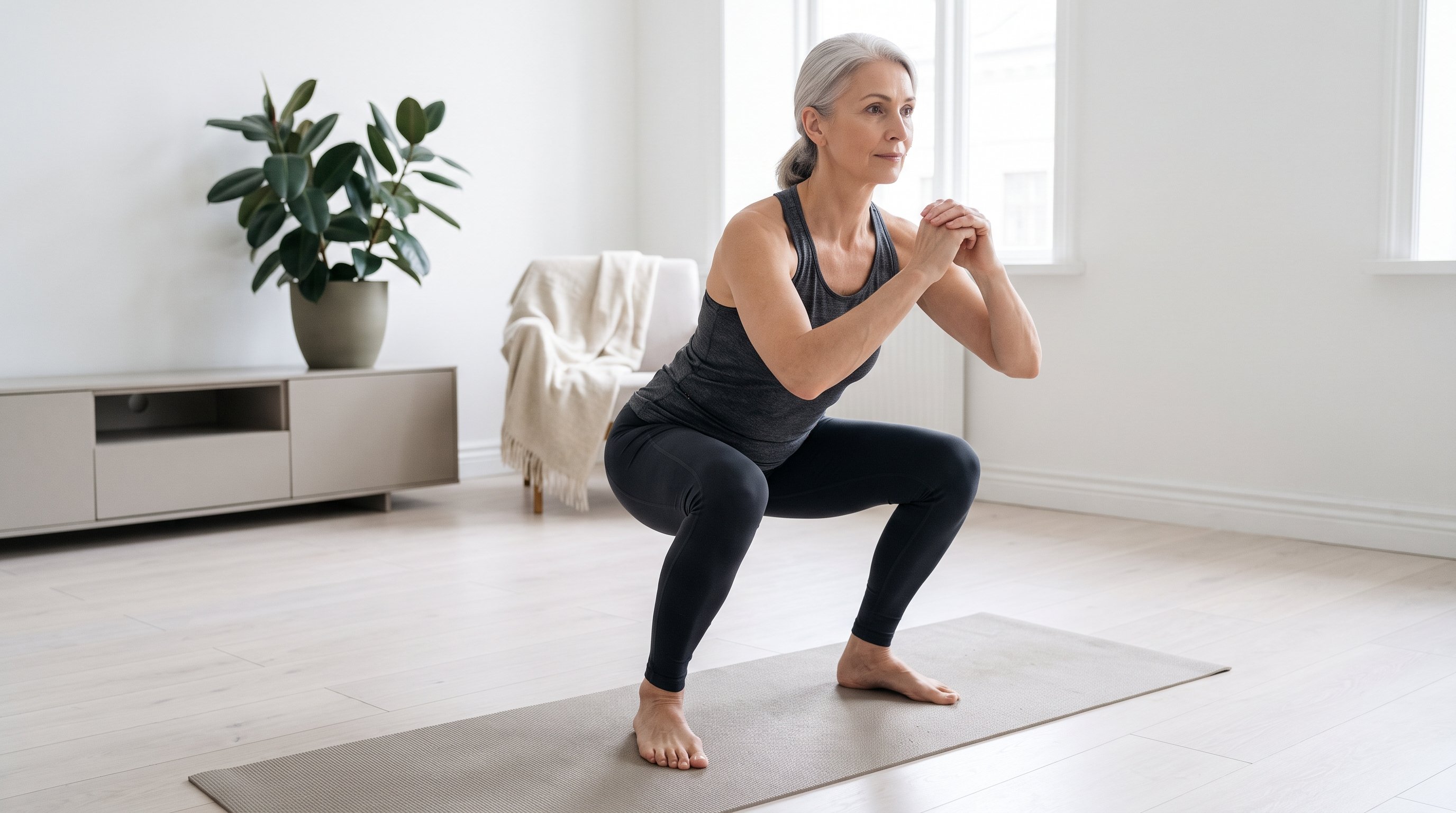
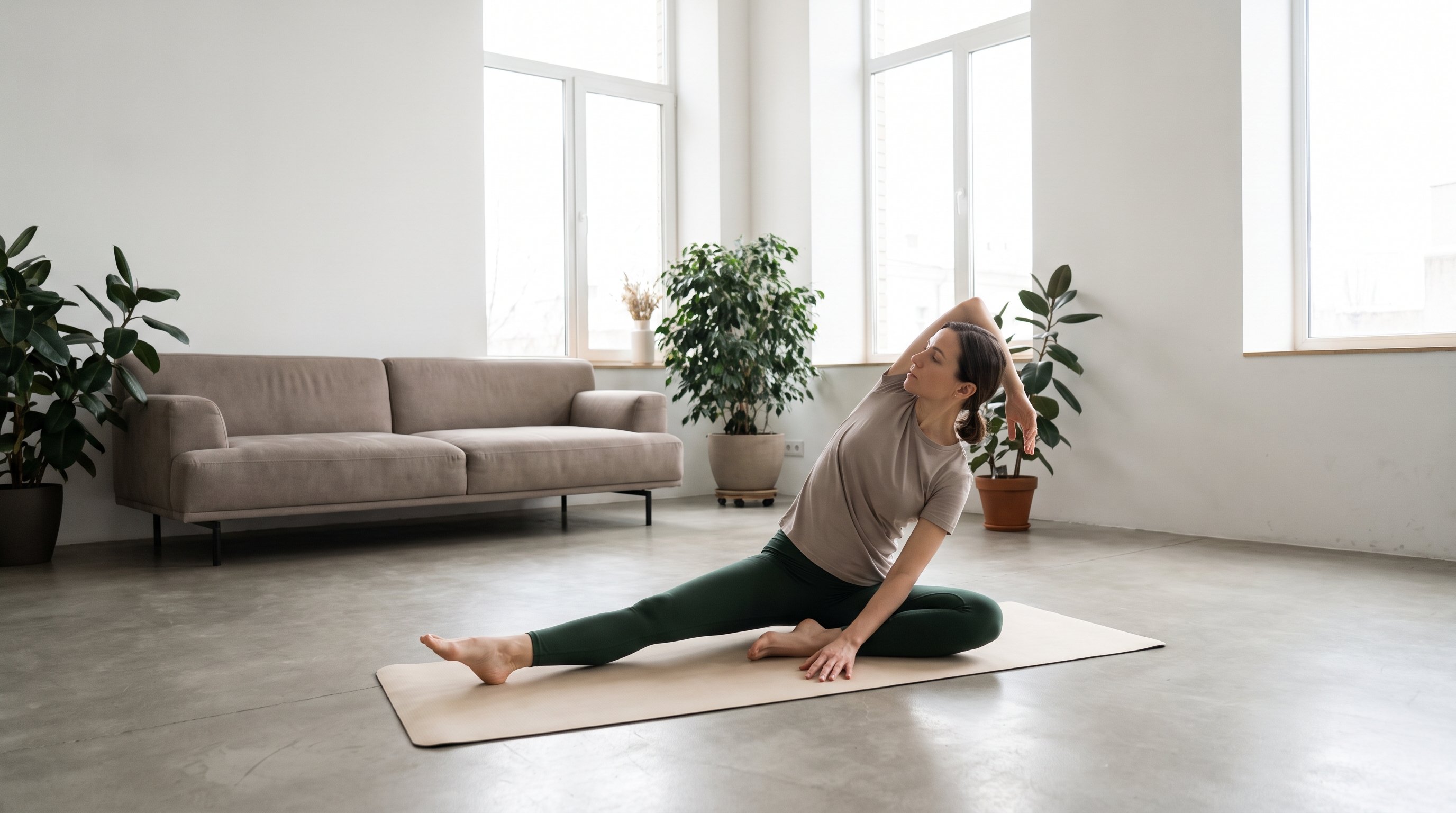
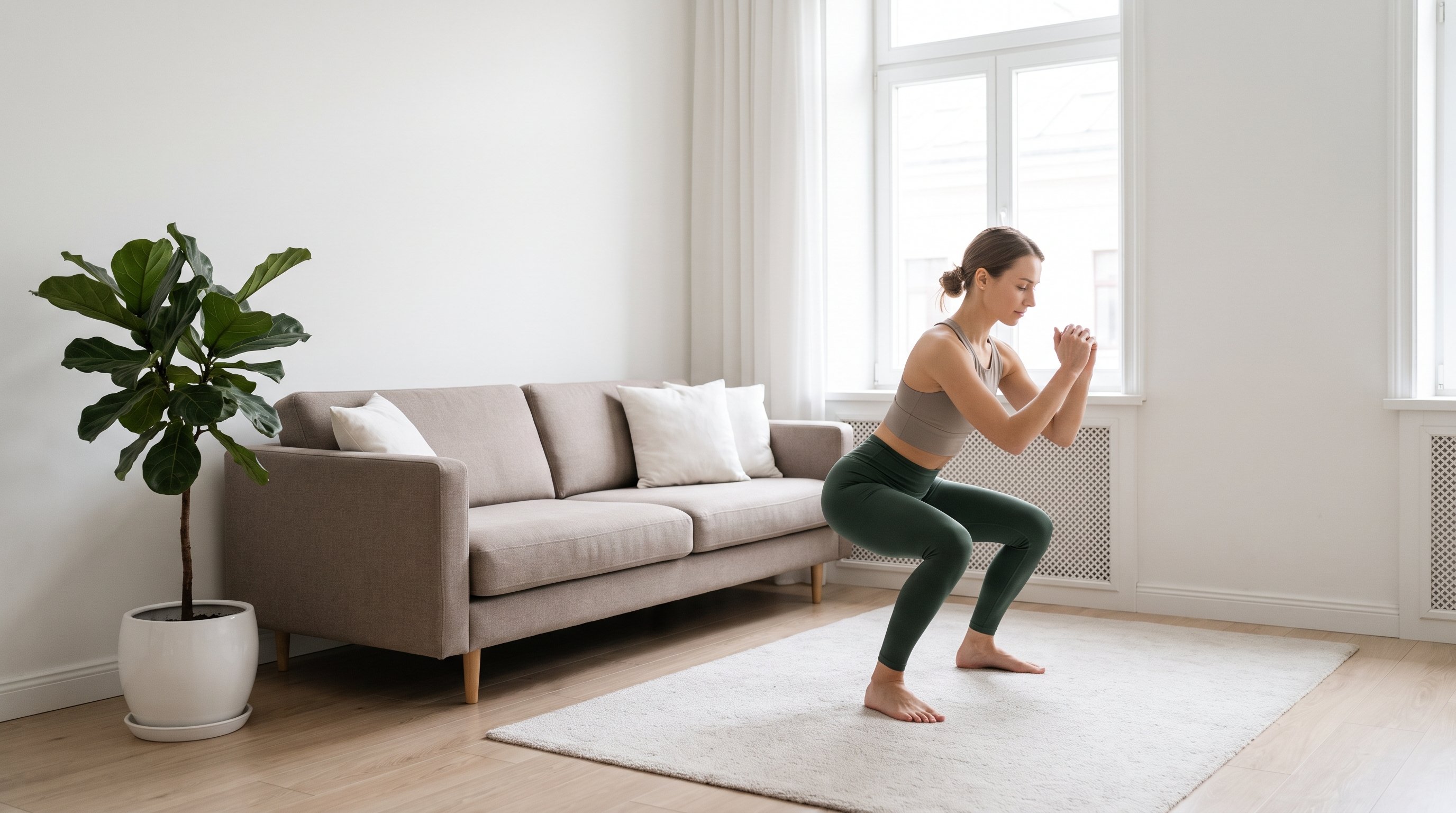
A few minutes of gentle movement after waking loosens stiff muscles and gets you moving before the day takes over. The mechanism is simple: joints that have been still for hours respond well to slow, controlled motion that brings blood flow back into the area.
This is not about torching calories or changing your shape. It is about starting the day with less stiffness and a bit more ease in how you move.
This guide covers what a short routine actually does, how it compares to other options, who it suits, and how it fits around a real schedule.
What a Few Minutes of Gentle Movement Does for You
Muscles tighten slightly overnight simply from hours of not moving, not from anything going wrong with your body. Gentle movement reverses that by taking joints through their normal range, which is the same reason stiffness eases once you get up and walk around.
The Honest Arithmetic
A ten-minute routine is ten minutes of your day, not a shortcut to weight loss. It will not show up as a number on a scale, but it can mean the difference between feeling stiff for the first hour and feeling ready to move.
Pair it with something that does move the scale, like a daily step target or a sustainable eating pattern, and the stiffness-reduction becomes a bonus rather than the main event.
Gentle Movement or Going Straight Into a Workout
Some people skip straight from bed to a full workout. Others take a few minutes to ease in first.
| Factor | Gentle Start First | Straight Into Training |
|---|---|---|
| Time needed | 5 to 10 minutes | 0 extra minutes |
| Joint strain risk | Lower at start | Higher if stiff |
| Effort level | Low | Moderate to high |
| Equipment | None | Depends on workout |
| Good starting point | Most people | Already warmed up |
Neither option is wrong. The choice usually comes down to how stiff you feel and how much time you have before the rest of the day demands attention.
Why a Short Routine Beats Skipping Movement Altogether
The harder alternative is telling yourself you will exercise properly later, which often means not moving at all until the day is half over. A short routine wins on adherence because it asks for almost nothing: no equipment, no change of clothes, no commute to a gym.
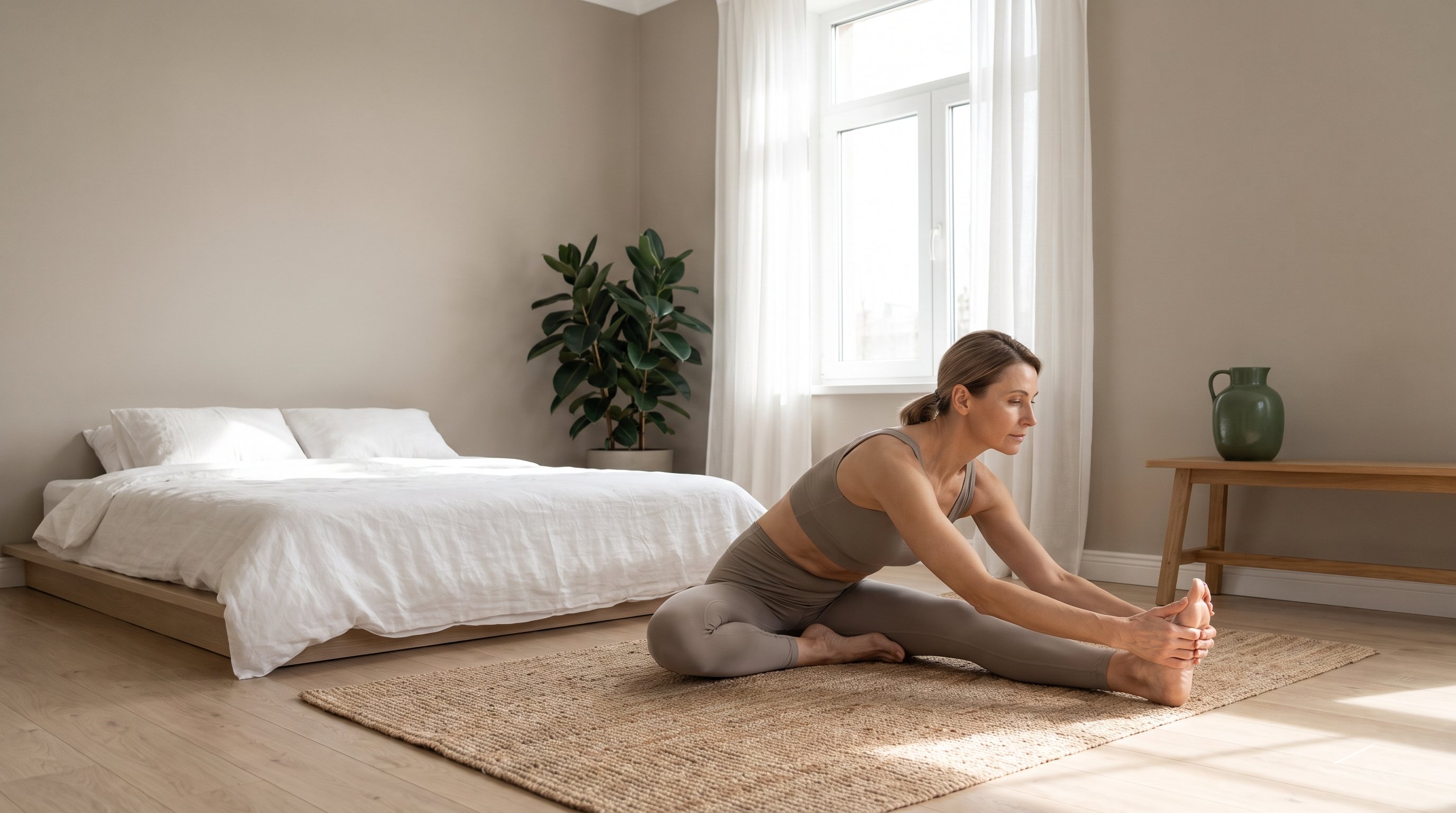
Something you actually do every day beats a bigger plan you keep postponing. That is the whole case for keeping it small.
Adjusting a Morning Routine to Fit Your Situation
If You're Just Starting Out
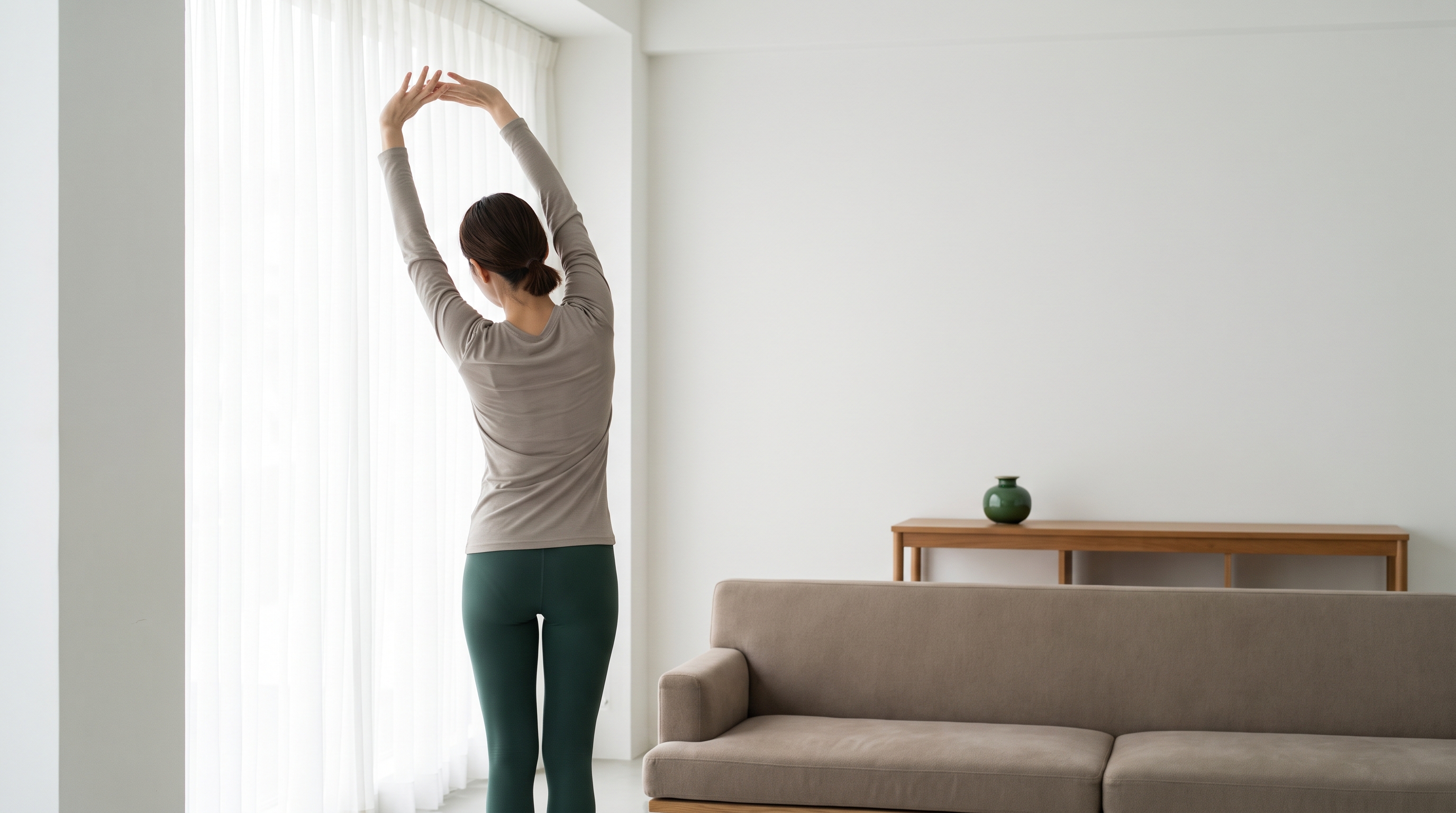
Keep it to a few basic movements: reaching arms overhead, rolling shoulders, and a gentle forward fold. There is no need to hold anything for long or push into discomfort.
If Mornings Are Rushed
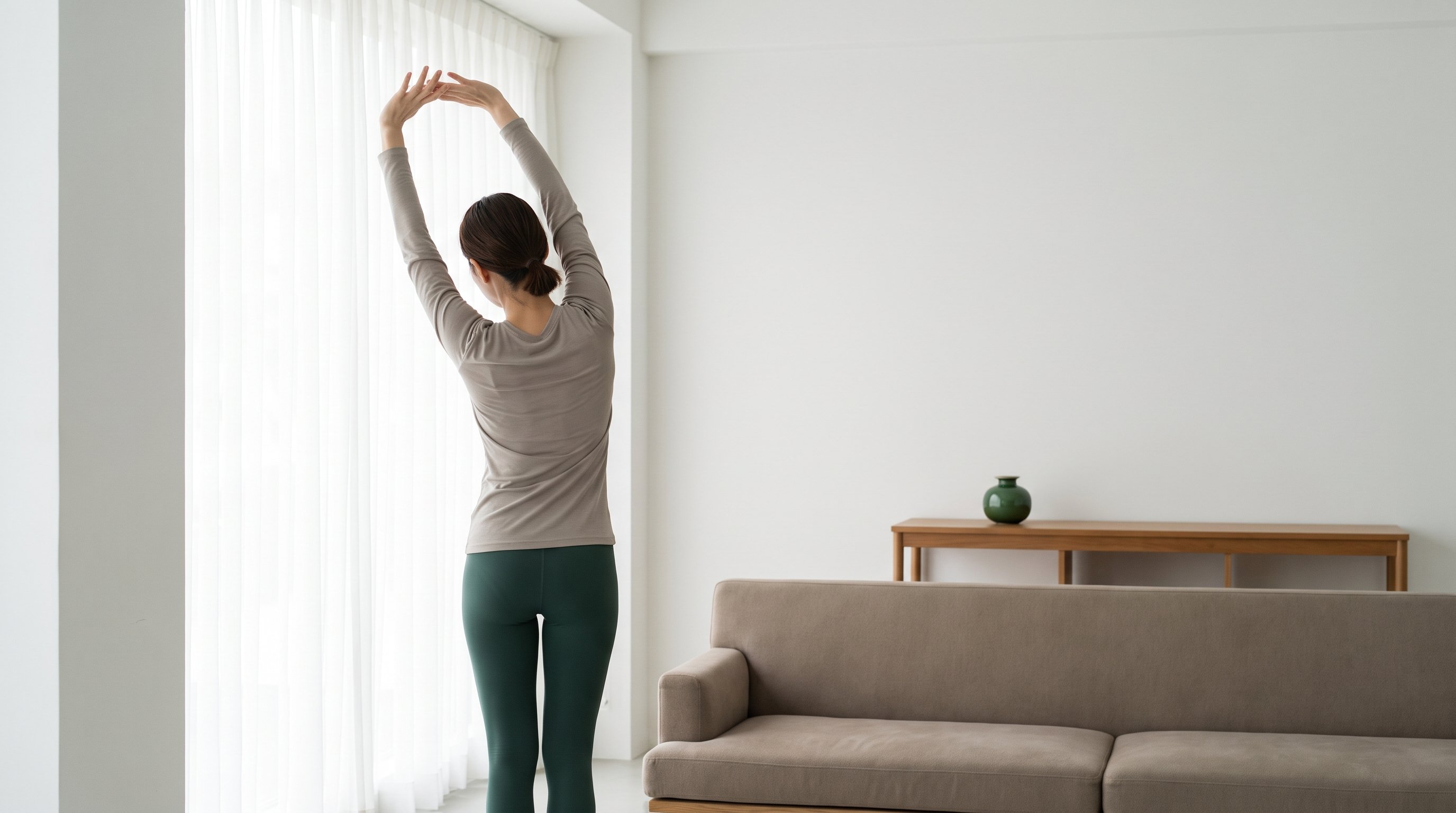
Two or three minutes still counts. Doing a neck roll and a standing side reach while the kettle boils is better than skipping movement because the full version feels impossible to fit in.
If You're Managing Joint Stiffness
Move slowly and stay well within a comfortable range rather than chasing a deep stretch. Gentle and consistent beats intense and occasional.
If You Already Train in the Morning
Use the first few minutes as a lead-in to your workout rather than a separate task. It serves the same purpose either way: easing you into movement.
Making Room for It on a Normal Weekday
The easiest way to keep a short routine going is to attach it to something you already do, like brushing your teeth or waiting for coffee to brew. That removes the need to remember it as a separate task.
It also sits well alongside other small daily habits, which is where a tool like Peptide Diet can help keep things in one place. Its step counter and progress trackers mean a quick morning routine and a daily step target can both get logged without extra effort.
None of this needs to be complicated. Small, repeatable actions are the ones that actually stick.
Can Stretching Target Where You Want to Lose Weight?
No, and it is worth saying plainly: the body does not let you choose where fat comes off, and no amount of stretching changes that. Movement in one area does not burn fat from that same area.
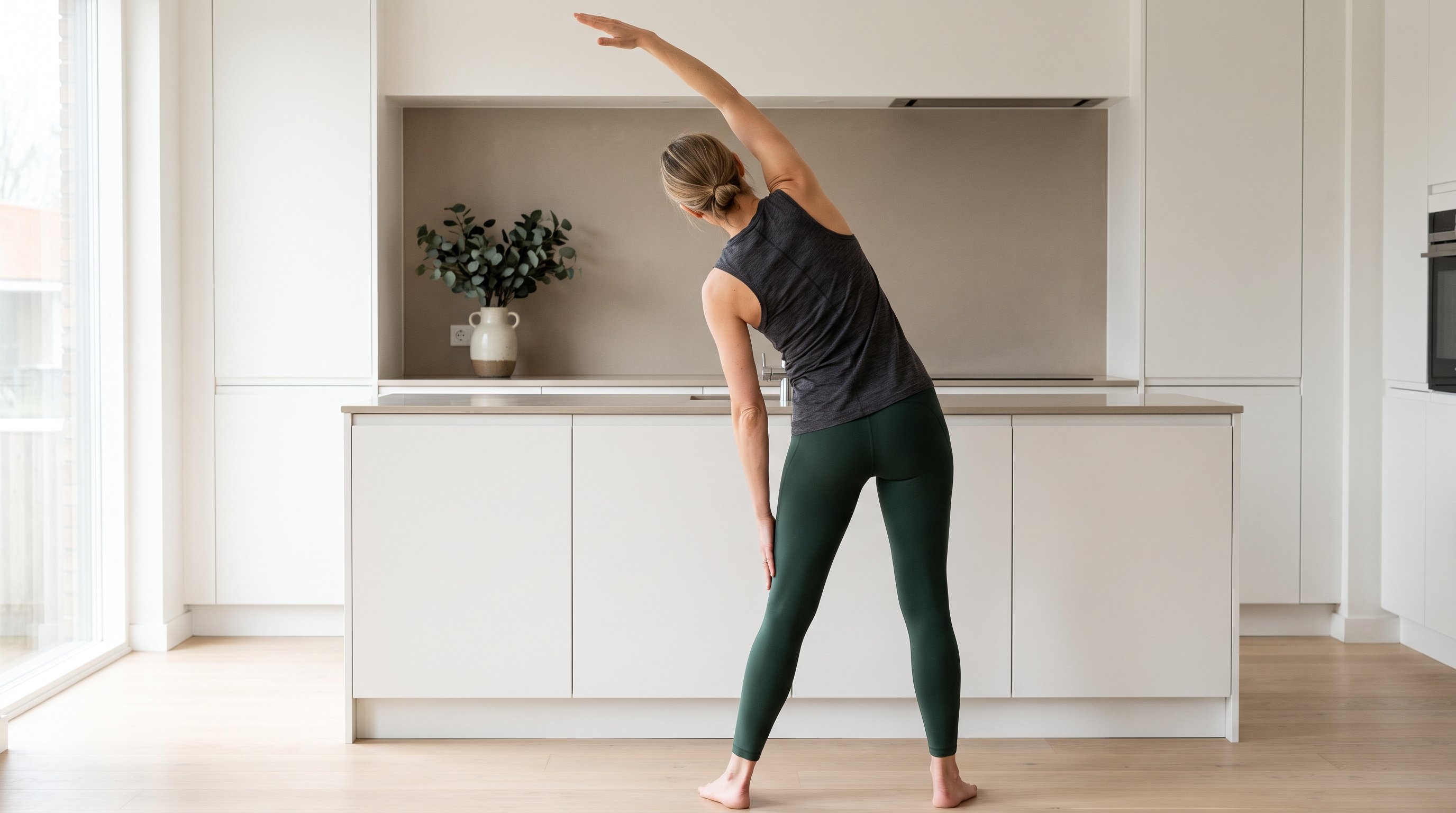
What gentle movement actually offers is less stiffness and an easier start to the day. If weight loss is the goal, that comes from the overall pattern of what you eat and how much you move across the whole week, not from any single stretch.
Building a Routine Around Peptide Diet's Low-Impact Options
A short routine works best when it is part of a wider pattern rather than an isolated five minutes. Peptide Diet includes over 100 low-impact workouts and movement sessions, so a gentle start can lead straight into something slightly more active without hunting for a separate plan.
The app also keeps meal plans, progress tracking and daily challenges in one place, which means the small morning habit sits alongside the bigger picture instead of standing apart from it.
Maximize Your Peptide Results
Eat Right, Lose Weight Faster
Keeping a Morning Habit Going Past the First Week
The habit that lasts is the one that asks the least of you on a bad morning. Pick two or three movements, keep the whole thing under ten minutes, and let it stay that simple even once it feels easy.
Pair it with one thing you can track, whether that is steps, water, or a simple log inside Peptide Diet, so the small win is visible and easy to keep repeating.
FAQ
Not on its own, since a few minutes of gentle movement burns very little energy. It can support a wider routine of walking, eating patterns and strength work that does move the scale over time.
A few minutes still eases stiffness and gets you moving, which is the actual point. It is not meant to replace a workout, just to make the start of the day feel less rigid.
Two minutes attached to an existing habit, like waiting for the kettle, still counts and is easier to keep than a longer routine you keep postponing. Consistency at a small scale beats an ambitious plan that gets skipped.
Most routines drop off when they start feeling like one more task to remember rather than something automatic. Keeping it short, attaching it to an existing habit, and tracking it inside something like Peptide Diet makes it easier to notice when a day has slipped and get back to it.
Share this post