Low Impact Workout: The Honest Guide
By:Author:Peptide Diet Editorial
Updated on:October 18, 2026
- The Myth That Low Impact Means Low Results
- What Makes a Workout Low Impact
- What Actually Changes How Joint-Friendly Training Feels
- A Week of Gentler Workouts Worth Copying
- Fitting Joint-Friendly Training Into a Packed Week
- When Low Impact Training Starts to Feel Easier
- Mistakes That Quietly Undo a Low Impact Routine
- Supporting a Low Impact Workout With Peptide Diet
- Making Low Impact Movement Part of Normal Life
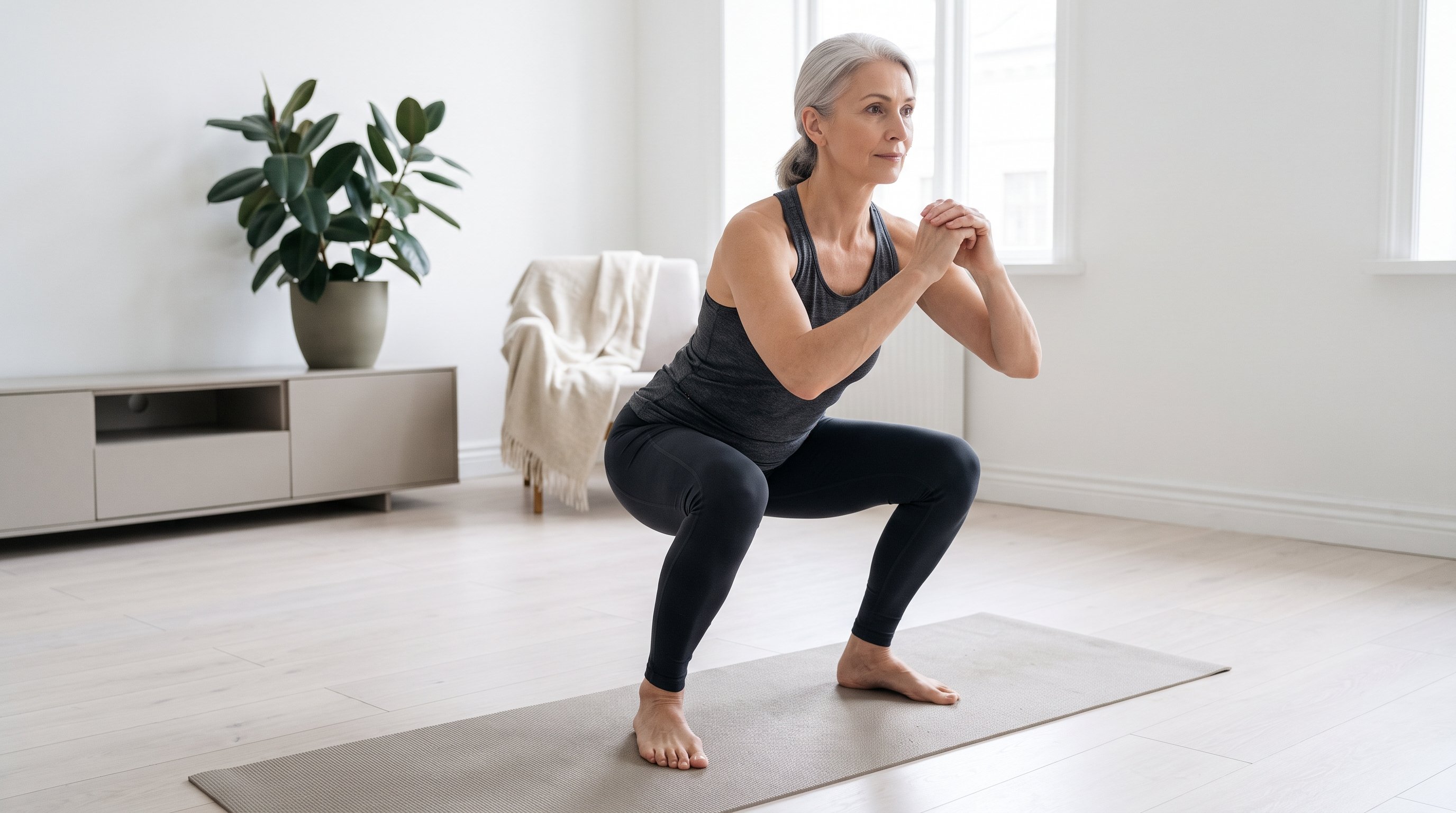
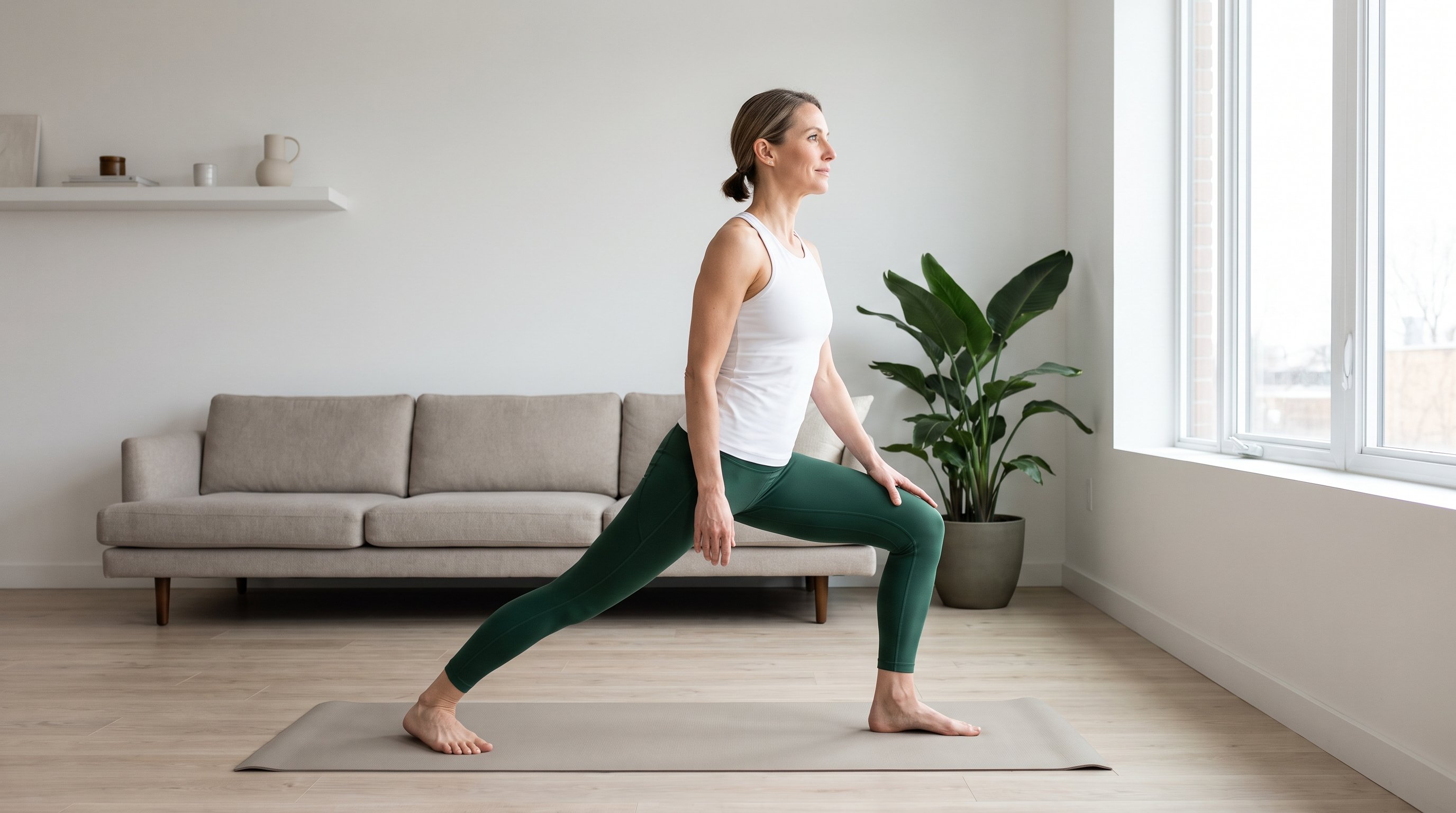
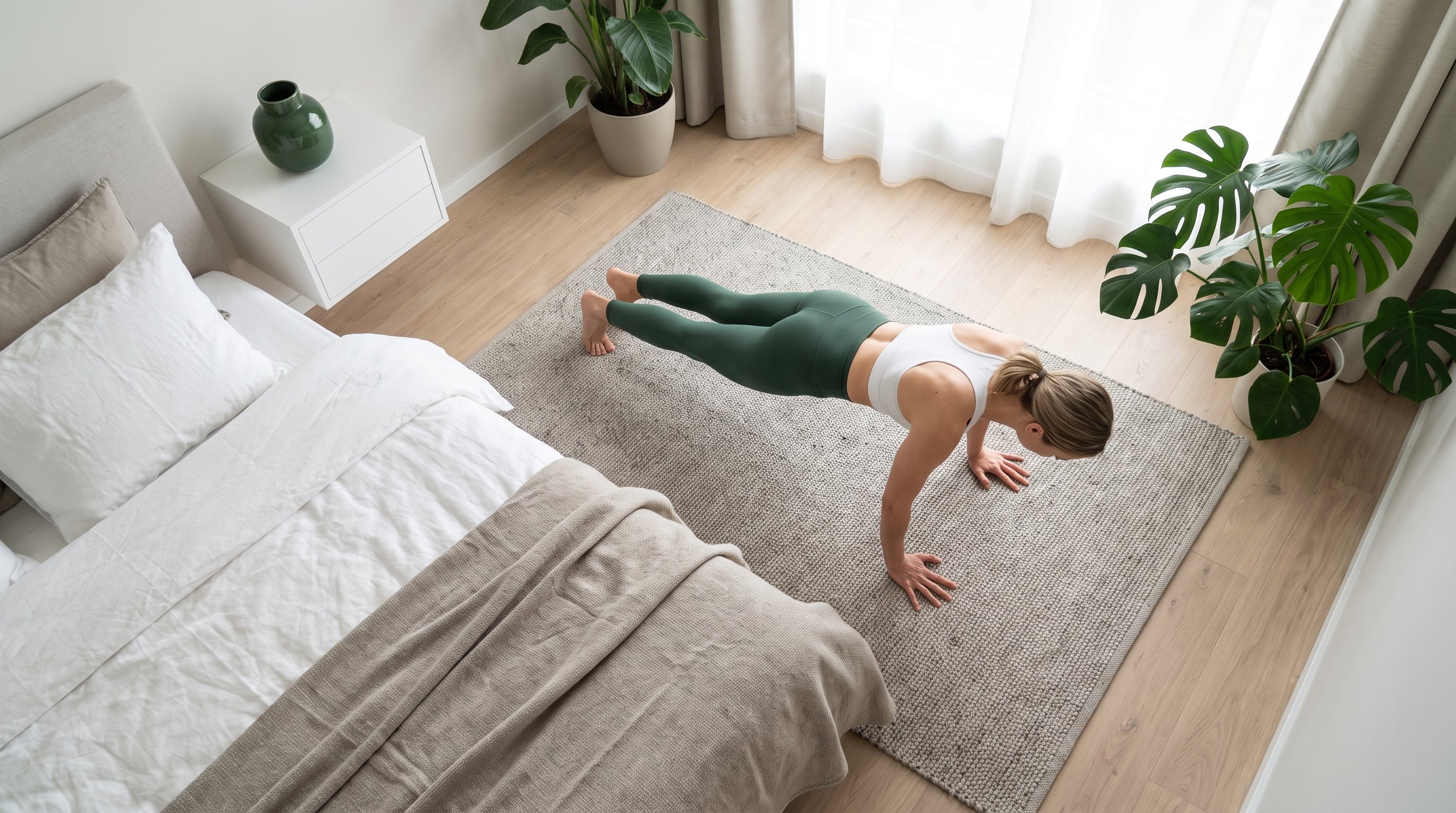
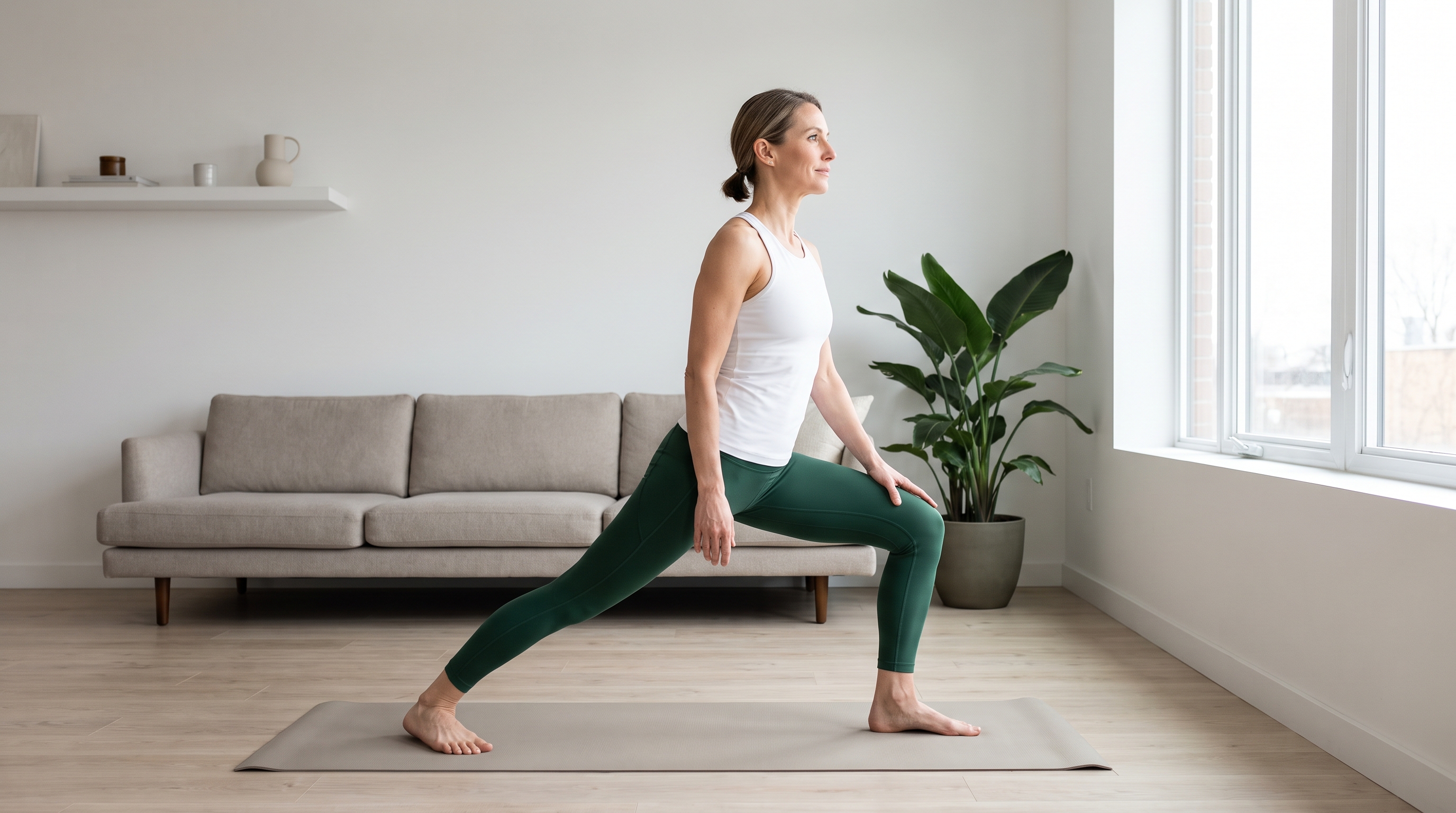
A low impact workout is movement that keeps at least one foot on the ground at all times, which means no jumping, no pounding, and far less stress on the joints. That's the whole point - you still raise your heart rate and work your muscles, just without the jarring landings that come with running or jump training.
The mechanism is simple: your muscles and heart don't actually know whether a movement is high impact or low impact, they only know how hard they're working. A brisk walk, a cycling session, or a bodyweight circuit done without jumps can all push your effort level up while keeping the force through your knees and ankles much lower.
This guide covers what gentler exercise can and can't realistically do, how it works, what changes the result, a sample week you can copy, where people tend to quit, and the mistakes that quietly stall progress.
The Myth That Low Impact Means Low Results
The idea that gentler workouts are somehow the 'easy' or lesser option doesn't hold up. Effort and impact are two different things - you can keep both feet near the ground and still work hard enough to breathe heavy and sweat.
There's also no version of exercise, low impact or otherwise, that burns fat from one specific area. The body decides where it uses stored energy from, and that process isn't something any workout, app or plan can direct toward a single body part.
What joint-friendly training actually offers is consistency. If a workout doesn't leave your joints aching the next day, you're far more likely to repeat it, and repetition is what adds up over time.
What Makes a Workout Low Impact
Two things decide whether a session counts as low impact: how much force lands through your joints, and how your body manages that force.
The Joint-Force Part
When you jump or run, your body has to absorb your full body weight plus momentum the instant your foot hits the ground. Gentler movement - walking, cycling, swimming, controlled strength work - spreads that same effort over a smoother motion, so the joints handle far less sudden force.
The Effort Part
Removing impact doesn't remove effort. You raise the intensity of a low impact session by moving faster, adding resistance, or shortening your rest, which keeps your heart rate and muscles working hard without ever asking your joints to absorb a landing.
Put those two together and you get a workout that's gentle on the body's structure but can still be demanding on the lungs and muscles, depending on how you dial it in.
What Actually Changes How Joint-Friendly Training Feels
Not every low impact workout session produces the same result, and three factors do most of the work in deciding how it feels and what it does for you.
Three Things That Matter Most
- How often you show up - three or four sessions a week will move you further than one long session, because the body responds to repeated signals, not a single effort.
- How hard each session actually is - a slow stroll and a brisk incline walk are both low impact, but only one raises your heart rate enough to matter.
- How well it fits your week - a workout you can realistically repeat beats a harder one you keep skipping, every time.
A Week of Gentler Workouts Worth Copying
Here's a simple weekly layout that mixes cardio and strength without any jumping or pounding involved.
| Day | Workout |
|---|---|
| Monday | Brisk walk, 30 minutes |
| Tuesday | Bodyweight strength circuit |
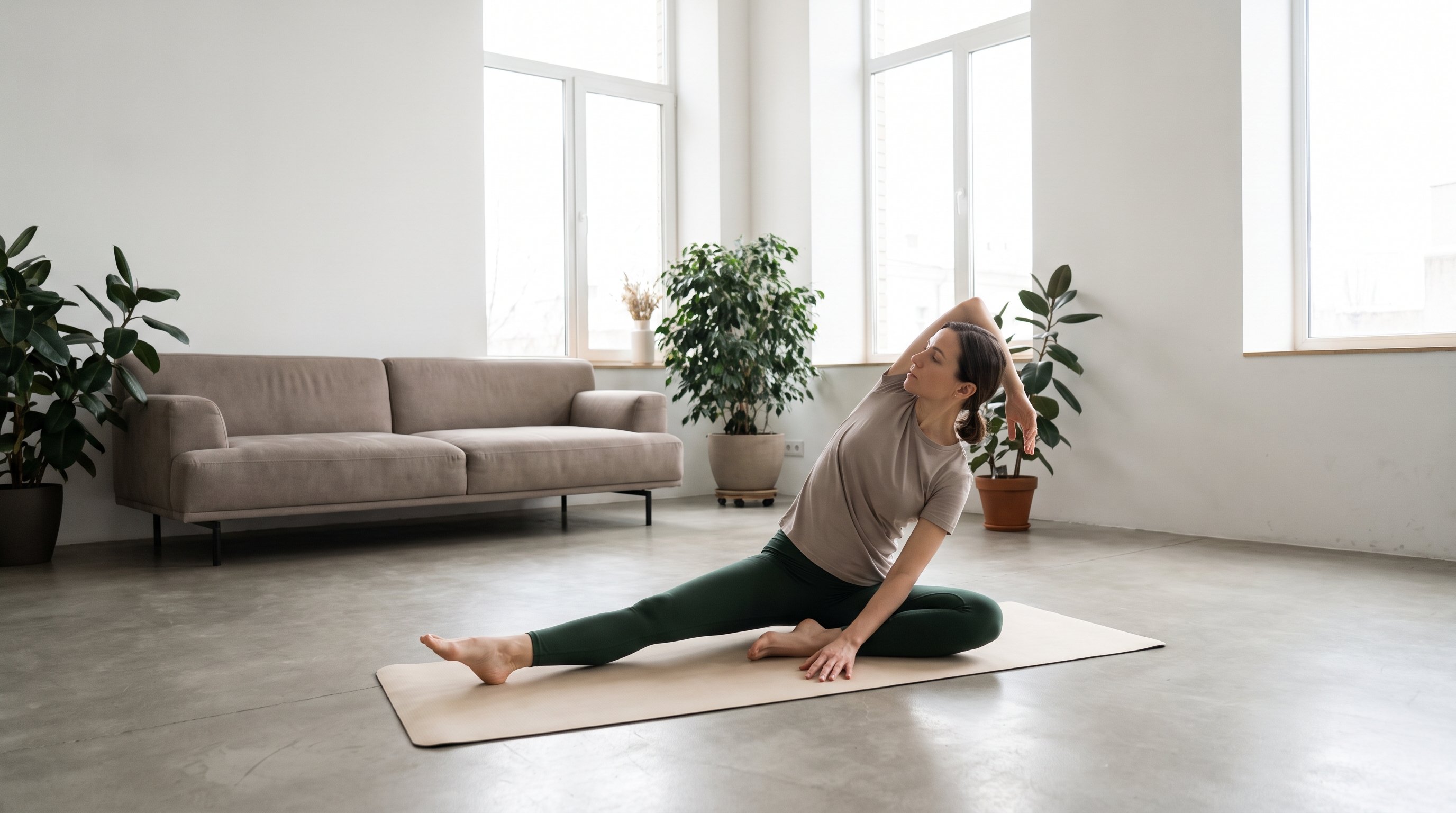
| Wednesday | Rest or gentle stretching |
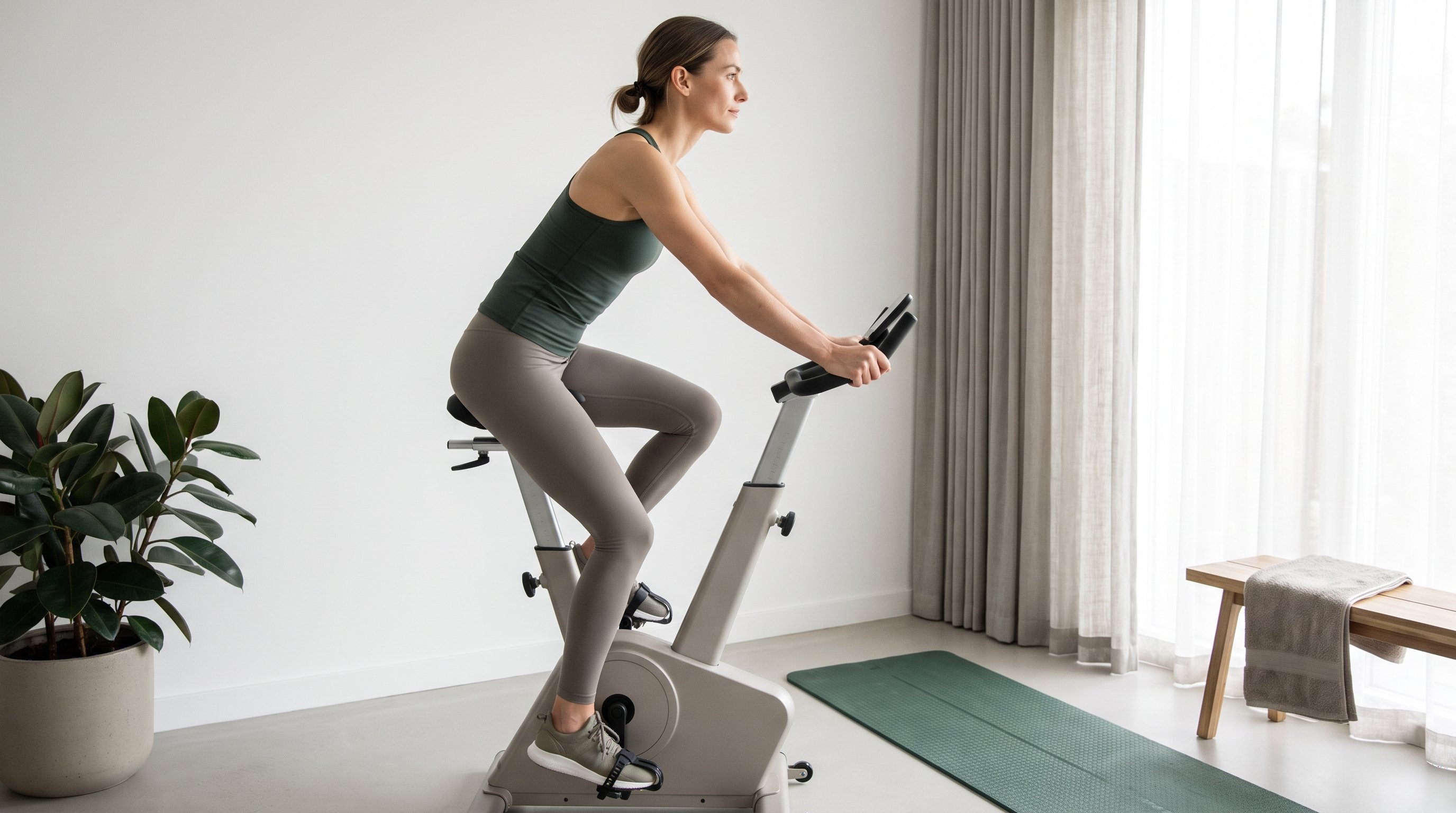
| Thursday | Stationary cycling, 25 minutes |
| Friday | Bodyweight strength circuit |
| Saturday | Long walk or swim |
Sunday is left open on purpose, because a week with built-in flexibility is one you're more likely to finish.
Fitting Joint-Friendly Training Into a Packed Week
The honest answer is that most people don't have 45 spare minutes lying around, so this type of workout needs to slot into gaps you already have - before work, on a lunch break, or in front of the television.
Splitting sessions into two 15-minute blocks works just as well as one long one if time is the obstacle, since the body responds to total effort across the day, not the clock.
Peptide Diet's workout library includes over 100 low impact options, from simple routines to yoga and meditation sessions, so you can pick something that matches the time and energy you actually have that day rather than forcing a fixed plan.
When Low Impact Training Starts to Feel Easier
Early sessions often feel harder than expected, simply because the body isn't used to sustained movement yet - that's normal and it passes.
Most people find the biggest drop-off point is somewhere in the second or third week, right when the initial motivation fades and the routine hasn't become automatic yet.
Getting past that point isn't about pushing harder, it's about keeping sessions short enough that skipping them feels like more effort than doing them.
Mistakes That Quietly Undo a Low Impact Routine
Treating Every Session As Light Cardio
Joint-friendly movement doesn't mean low effort, so if every session feels easy, intensity needs to go up through speed, resistance or incline rather than impact.
Skipping Strength Work Entirely
Cardio alone misses out on muscle maintenance, so pairing walks or cycling with bodyweight strength sessions rounds the routine out properly.
Expecting Changes Overnight
No workout, low impact or otherwise, produces fast or guaranteed results, and expecting that sets people up to quit early for the wrong reasons.
Ignoring Food Entirely
A workout routine without any attention to what you eat is working against itself, since movement and meals both pull in the same direction when they're lined up.
Doing the Same Session Every Single Day
Repeating one exact workout without variation gets boring fast and misses the chance to build different muscle groups, so rotating two or three routines keeps things fresh.
Supporting a Low Impact Workout With Peptide Diet
A workout routine works best alongside a way of eating that doesn't feel like a constant fight against yourself.
Peptide Diet pairs its library of 100+ low impact workouts and yoga sessions with a meal plan built around food you already like, plus trackers for steps, water and weight so you can see how movement and meals connect over a normal week. The challenges inside the app are tailored to your quiz answers, which makes it easier to stay with a routine instead of abandoning it after a tough week.
Maximize Your Peptide Results
Eat Right, Lose Weight Faster
Making Low Impact Movement Part of Normal Life
A gentler workout doesn't need to be impressive, it just needs to happen often enough to matter.
Pick one or two sessions from the weekly layout above, try them this week, and build from there - Peptide Diet's workout and nutrition tools are there if you want the whole thing kept in one place.
FAQ
It can support a deficit by adding to your daily movement and helping preserve muscle, but the deficit itself comes mainly from what you eat. No single workout, low impact or otherwise, guarantees a specific weight change.
No - intensity comes from speed, resistance and effort, not from how hard your feet hit the floor. A fast-paced low impact circuit can raise your heart rate just as much as a high impact one.
On days like that, shorter sessions or a swap to seated or stretching-based movement still count as progress. Pushing through sharp pain isn't the goal - staying consistent at a level your body can handle is.
Peptide Diet gives you a library of low impact workouts and yoga sessions alongside meal plans and progress trackers, so movement and food sit in the same place. That makes it easier to see the full picture instead of guessing.
Share this post