How To Meal Prep For The Week: A No-Stress Starting Plan
By:Author:Peptide Diet Editorial
Updated on:October 18, 2026
- Does Batching Meals Ahead Actually Save You Time?
- Cooking Nightly Versus Prepping Once: The Real Trade-Off
- Why Prepping Ahead Beats Deciding Every Single Night
- Who Meal Prep Suits and How to Adjust It
- Fitting Meal Prep Into a Week That Doesn't Cooperate
- The Myth That Prepped Food Has to Taste Worse
- Making Meal Prep Simpler With Peptide Diet
- Keeping Your Meal Prep Going Past the First Week
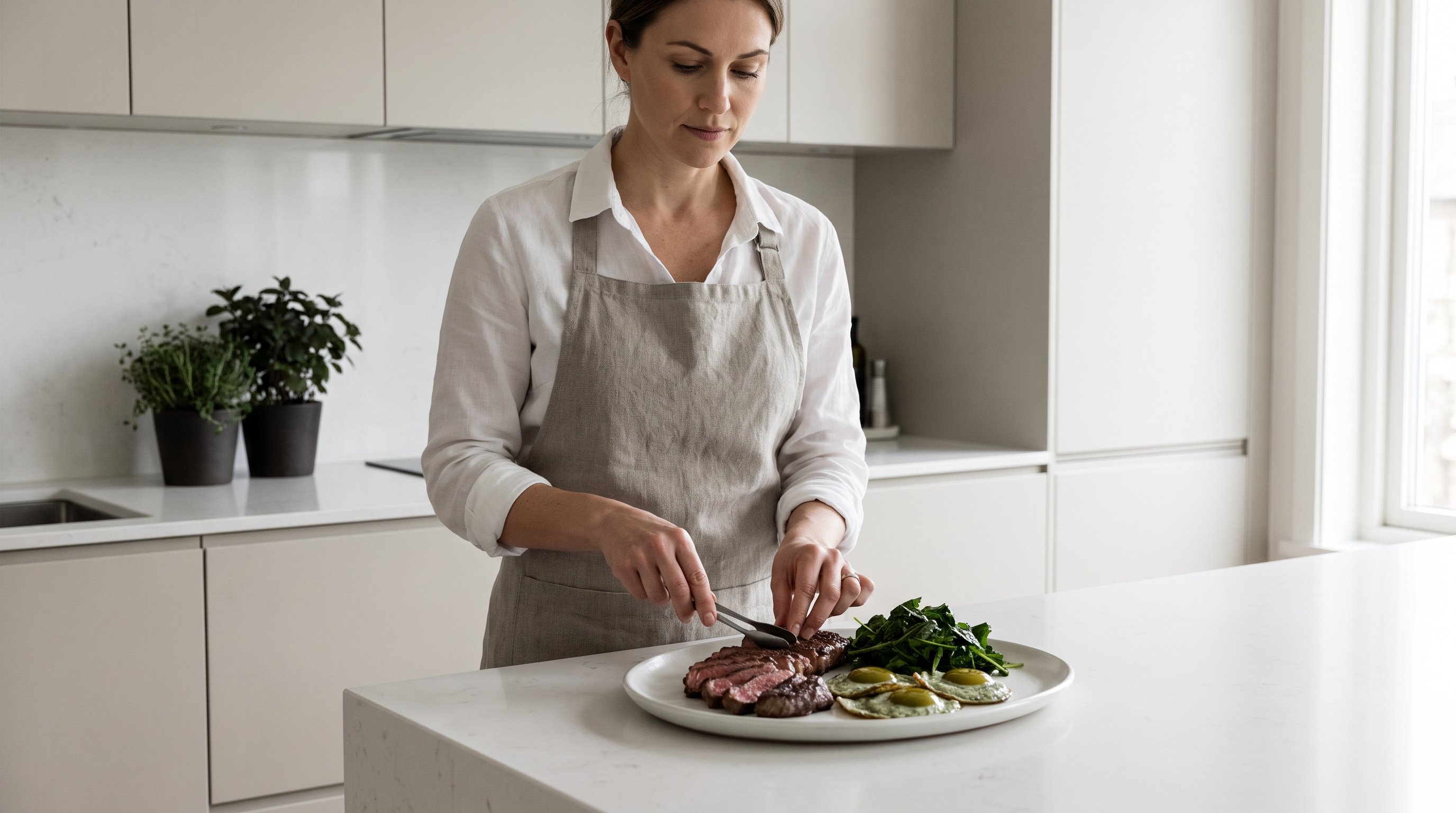
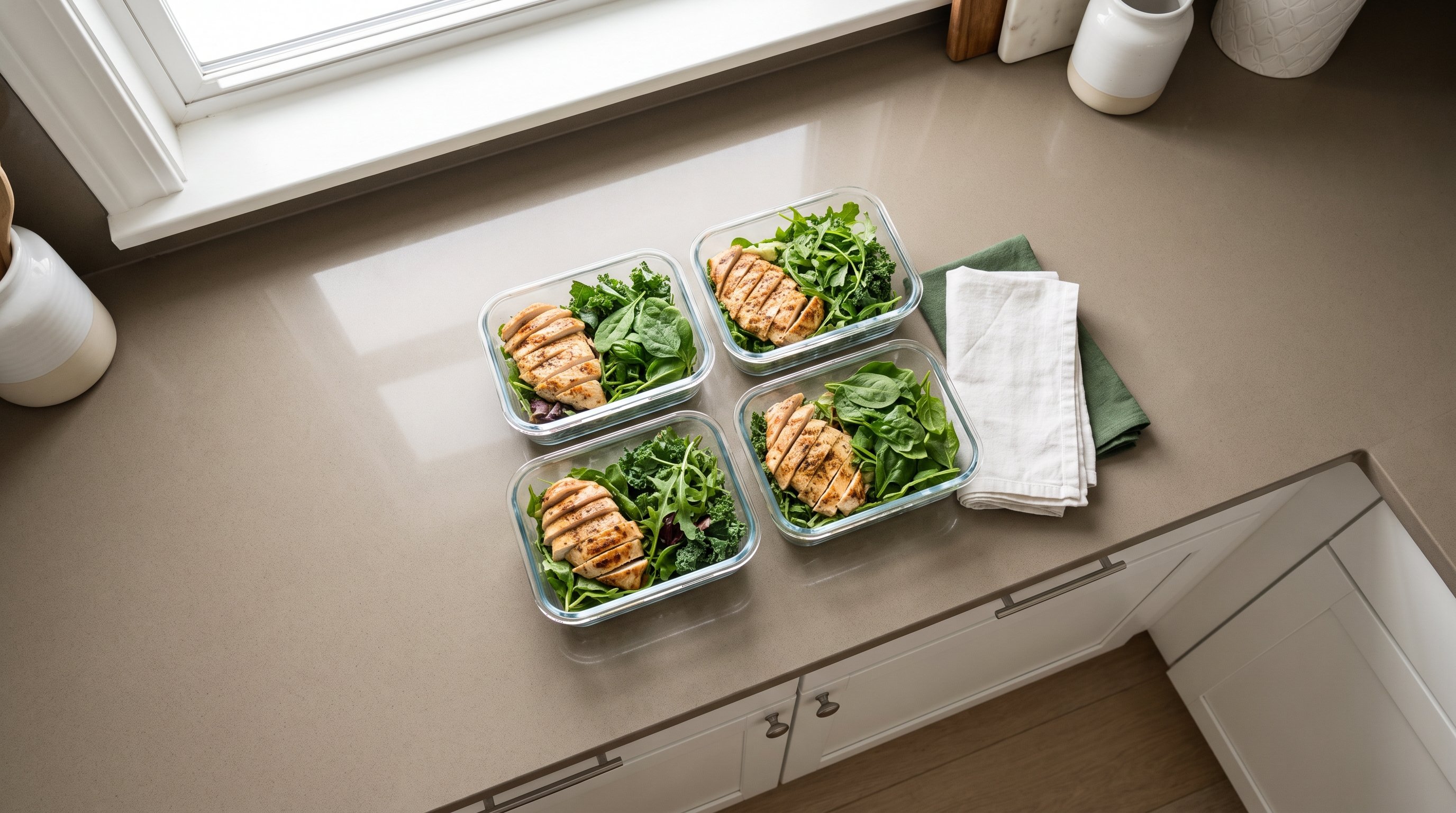
Meal prepping for the week means cooking a batch of food in one or two sittings so the rest of the week runs on reheating, not deciding. The direct answer: pick 3-4 base recipes, cook them once, portion them into containers, and the week gets easier by default.
The mechanism is simple. Decisions cost energy, and food decisions made at 7pm when you're tired tend to default to whatever's fastest, not whatever fits your plan.
This article covers whether meal prep actually works, how it compares to cooking fresh every night, who it suits, and how to fit it into a week that doesn't always go to plan.
Does Batching Meals Ahead Actually Save You Time?
Yes, and the maths is straightforward. Cooking one meal from scratch most nights means repeating the same chopping, pan-heating and cleanup five or seven times a week.
Batch cooking collapses that into one or two sessions, so the cleanup and setup cost gets paid once instead of five times.
The Arithmetic Behind It
If a single dinner takes 40 minutes from chopping to plating, five separate dinners cost 200 minutes across the week. One prep session covering the same five meals - say 90 minutes of cooking plus 15 minutes of portioning - costs 105 minutes total, which is close to half the time.
The actual minutes will vary by kitchen and recipe, but the pattern holds: fewer setups and cleanups means less total time spent, not just less time spent thinking about dinner.
Cooking Nightly Versus Prepping Once: The Real Trade-Off
The decision most people are actually weighing isn't whether to eat well, it's whether to cook fresh each night or prep ahead and reheat.
Both can work. The table below lays out where each one is stronger so you can see which fits your week.
| Factor | Cooking Nightly | Prepping Ahead |
|---|---|---|
| Time per week | High, repeated daily | Lower, front-loaded once |
| Decision fatigue | Decide every evening | Decided once, upfront |
| Freshness | Cooked just before eating | Reheated, still freshly made |
| Flexibility | Easy to change plans daily | Needs some advance planning |
| Food variety | Varies meal to meal | Repeats unless you rotate recipes |
Neither column is wrong. It comes down to which cost you'd rather pay - daily effort, or one planning session.
Why Prepping Ahead Beats Deciding Every Single Night
The honest argument for meal prep isn't that it's healthier food - it's that it's food you'll actually stick with.
Cooking fresh every night relies on having the energy and time to do it well, every single night, for weeks on end. That's a lot to ask of anyone with a job, a commute, or kids.
Meal prep removes the nightly decision entirely. The food is already made, so there's nothing to talk yourself out of when you're tired.
Adherence beats intensity almost every time. A simple plan followed for weeks will usually outperform an ambitious plan that gets abandoned after four days.
Who Meal Prep Suits and How to Adjust It
If You're New to Cooking Ahead
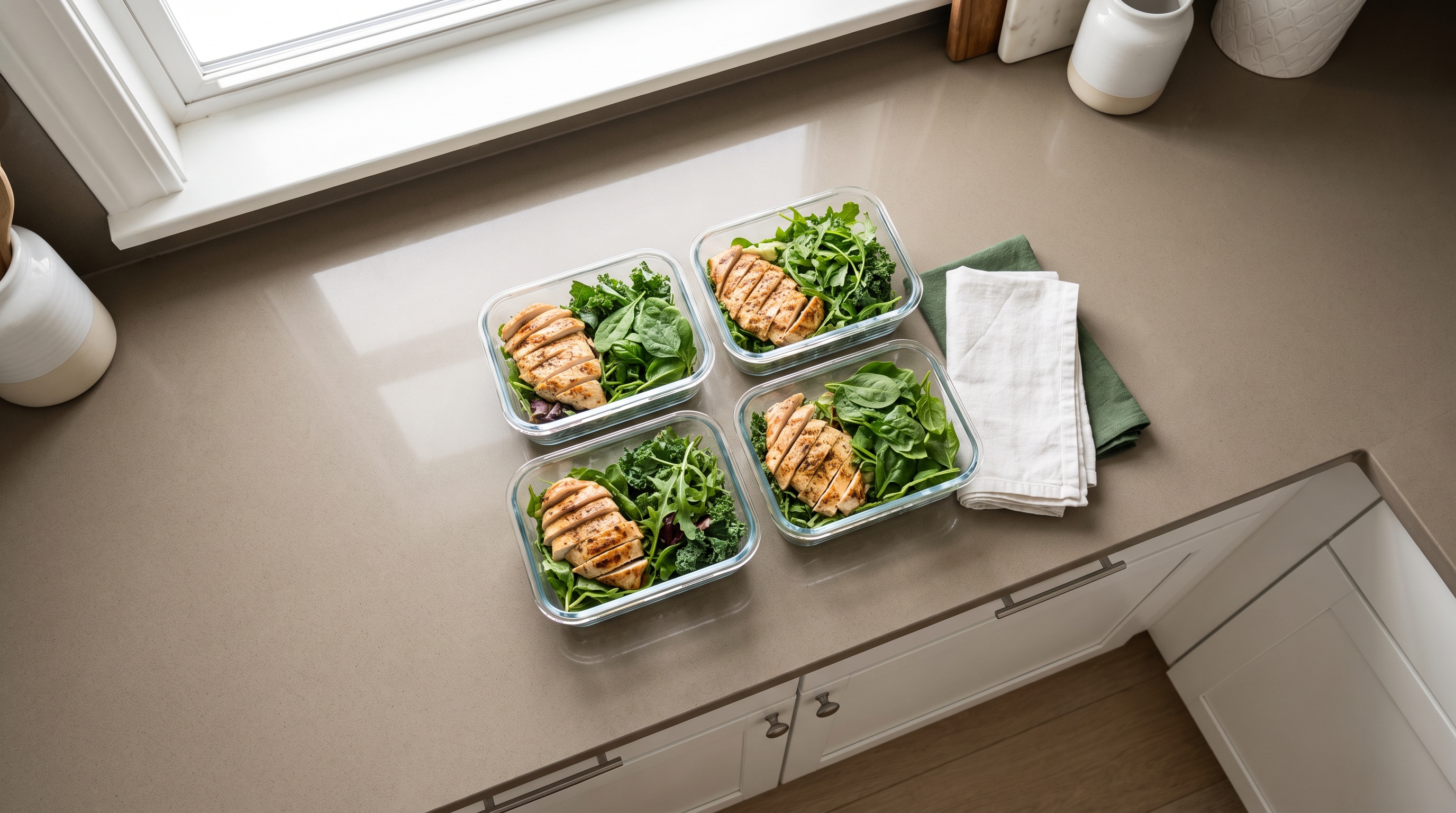
Start with two recipes, not five. Pick one protein and one vegetable-forward dish, make a double batch of each, and portion them into four containers.
If You're Short on Time
Prep in one sitting on a day off rather than splitting it across evenings. A single 90-minute block on a Sunday covers the whole week, whereas scattered 20-minute sessions tend to get skipped.
If You're Cooking for One
Scale recipes down rather than freezing extra portions you might not get to. Smaller batches mean less waste and less fridge clutter, even if it means prepping slightly more often.
If You're Feeding a Household
Cook components separately - a grain, a protein, a vegetable - rather than one fixed dish. That way everyone can build their own plate and you're not cooking three different meals.
Fitting Meal Prep Into a Week That Doesn't Cooperate
Weeks rarely go exactly to plan. Plans change, people eat out, and the fridge sometimes gets forgotten about entirely.
A workable approach is to prep for five days, not seven, and leave two meals open for whatever the week throws at you.
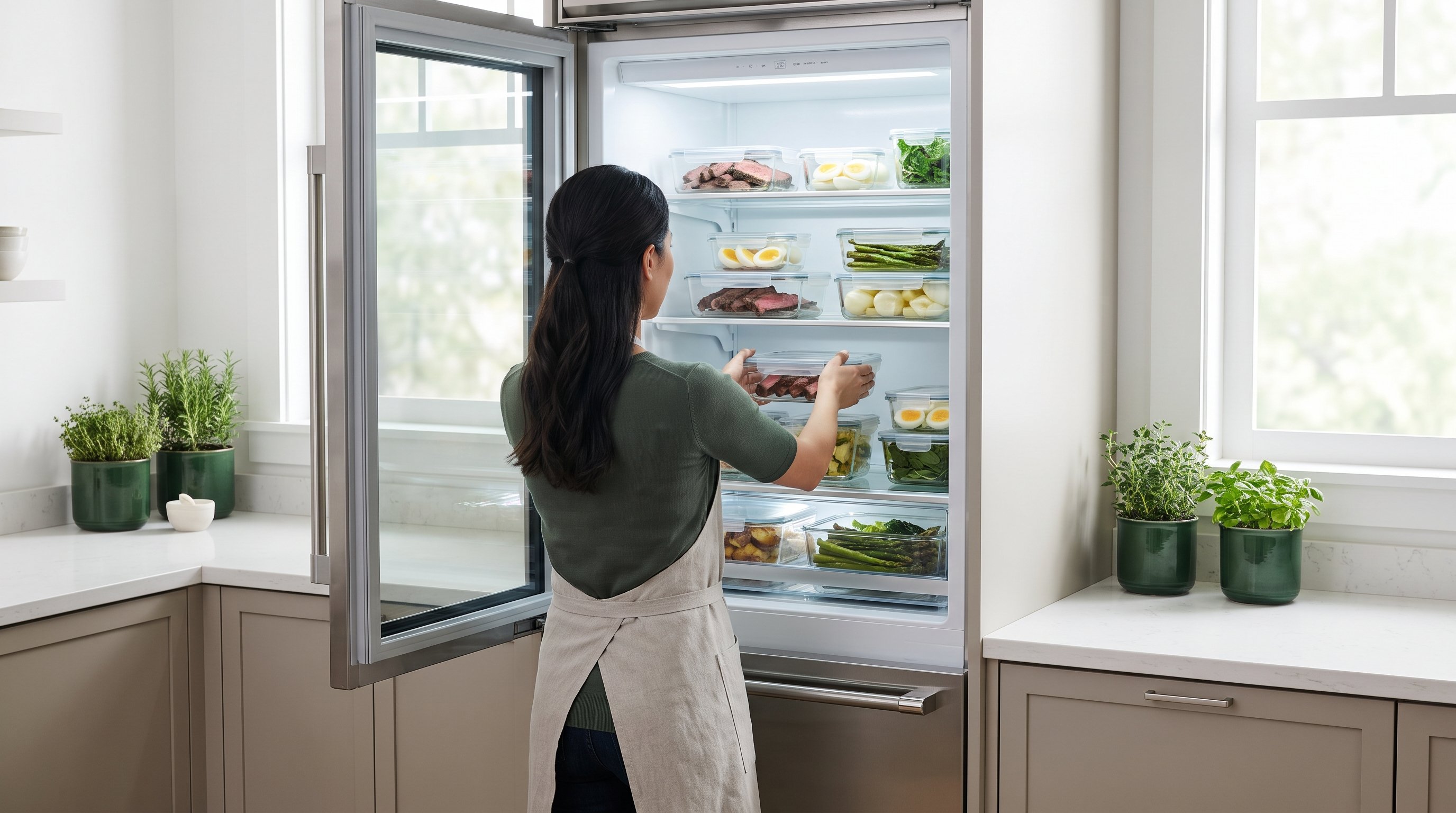
That built-in flexibility matters more than a perfect schedule. A plan that bends a little tends to survive longer than one that demands everything go right.
This is where a meal plan built around food you already like makes a real difference - Peptide Diet lays out recipes and portions so the planning part of prep day is already done before you pick up a knife.
The Myth That Prepped Food Has to Taste Worse
A common worry is that prepped meals mean a week of bland, soggy leftovers. That's not a given - it's usually a sign the wrong recipes got picked for batching.
Dishes with sauces, grains, and roasted vegetables generally hold up well over several days. Delicate items like leafy salads or anything meant to be crisp tend to suffer, so those are better made fresh on the day.
The honest answer is that prep works best when the recipe is chosen with reheating in mind, not forced onto a dish that was never meant to sit in a fridge for four days.
Making Meal Prep Simpler With Peptide Diet
Picking recipes, working out portions, and keeping variety going are the parts of meal prep that usually cause the burnout, not the cooking itself.
Peptide Diet gives you a meal plan built around food you already like, drawn from over 1000 recipes, so you're choosing from options that fit your preferences instead of starting from a blank page every week.
The progress tracking features also mean you can keep water, weight, and steps logged in one place, so prep day isn't the only thing holding the week together.
Maximize Your Peptide Results
Eat Right, Lose Weight Faster
Keeping Your Meal Prep Going Past the First Week
The first week of meal prep is usually the easy one - the novelty carries it. The real test is week three, when the containers start feeling like a chore.
Pick one or two recipes you'd happily eat on repeat, and let the rest of the week stay flexible around them. Peptide Diet can take the recipe-picking off your plate so the habit has a better chance of lasting past the first month.
FAQ
Most people do best starting with four or five portions rather than a full seven, since that leaves room for a takeaway or a dinner out without wasting food. Build up to a full week once the routine feels manageable.
Not if you prep two or three different recipes instead of one. Cooking a grain, a protein and a vegetable separately also lets you mix and match so the plate looks different even when the ingredients repeat.
Shrink the batch rather than skipping it entirely - two meals prepped is still two fewer decisions during the week. Peptide Diet's recipes are built to be simple to cook, which helps when a long prep session isn't realistic.
Boredom with the same few dishes is the most common reason, closely followed by prepped food going off before it gets eaten. Rotating two or three go-to recipes and only prepping what you'll realistically eat in four to five days tends to fix both.
Share this post